Top 10 Benefits of Distribution Substation for Global Buyers?
In the modern energy landscape, the role of a Distribution Substation is pivotal for ensuring reliable electricity delivery. Dr. Emily Carter, a leading expert in electrical engineering, states, "The efficiency of a Distribution Substation can significantly impact overall grid performance." As industries and consumers seek sustainable energy solutions, understanding the benefits of Distribution Substations becomes essential.
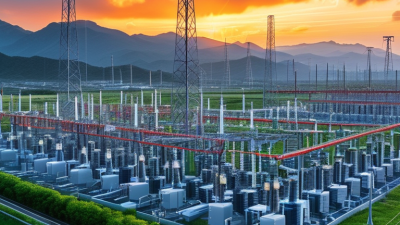
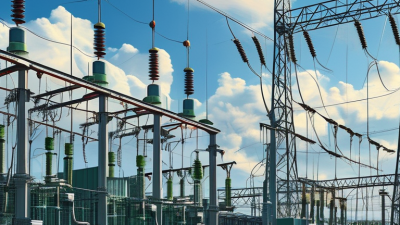
These substations are crucial for transforming high voltage electricity into a lower voltage suitable for end users. They enhance local grid reliability and reduce transmission losses. Additionally, their strategic placement can improve energy distribution efficiency across vast networks. However, not every operator recognizes the full benefits, leading to underutilization of these facilities.
Investing in Distribution Substations provides economic advantages, supports renewable integration, and bolsters grid resilience. Yet, failure to adapt and innovate within this sector may hinder progress. Therefore, exploring the top benefits of Distribution Substations is vital for global buyers looking to enhance their energy systems and infrastructure.
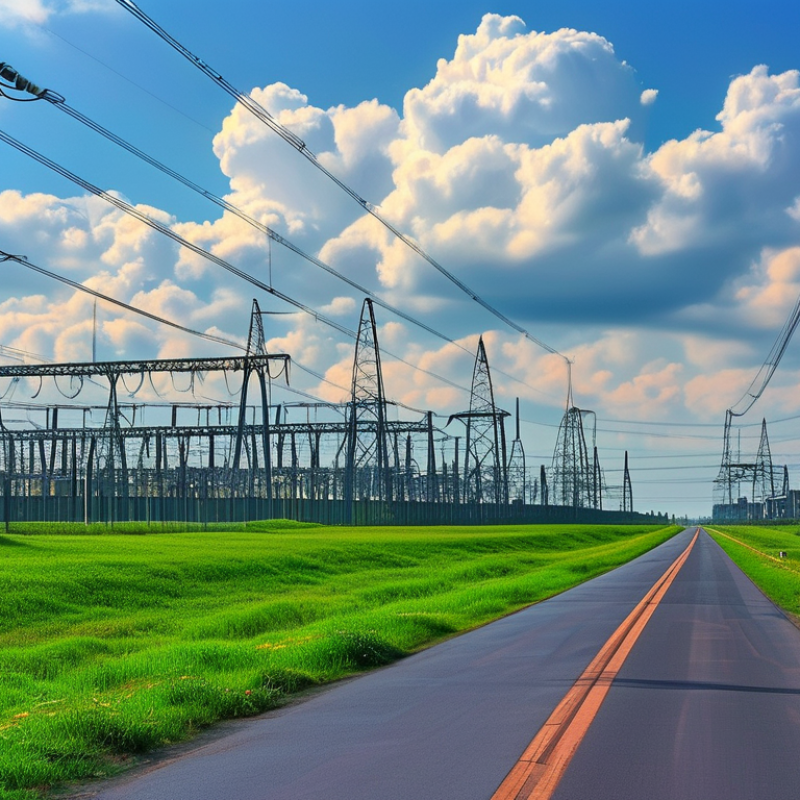
Benefits of Enhanced Power Reliability from Distribution Substations
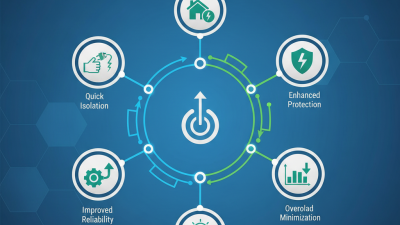
Distribution substations play a crucial role in enhancing power reliability across various regions. According to a report by the International Energy Agency, nearly 80% of global electricity distribution relies on substations. These facilities transform high-voltage electricity into a lower voltage, making it safer for residential and commercial use. Enhanced reliability means fewer outages, reducing economic losses for businesses and maintaining comfort for households.
Power interruptions can cost industries significant revenue, averaging around $150 billion annually in the United States alone.
Distribution substations help mitigate these risks by improving grid resilience. They provide localized support and reduce transmission losses, leading to a more stable supply. Furthermore, substations equipped with smart technology can anticipate and react to disturbances, which is vital for maintaining service quality.
However, not all substations are created equal. Investment in modern technologies and infrastructure is necessary to optimize their performance. Outdated equipment can lead to inefficiencies and increased vulnerability. A strategic approach is needed to evaluate and upgrade these facilities continually. This ongoing commitment to facility improvement is key to achieving the desired level of power reliability.
Cost Efficiency Gains for Global Buyers Utilizing Distribution Substations
The integration of distribution substations offers significant cost efficiency gains for global buyers in various industries. A recent report by the International Energy Agency (IEA) shows that employing advanced distribution substations can reduce energy transmission losses by up to 10%. This is a vital aspect for companies wanting to minimize operational costs. The initial investment in these substations pays off quickly through lower electricity bills and improved energy management.
Distribution substations also provide flexibility and scalability. They allow for easier integration of renewable energy sources. According to a study published by the World Energy Council, companies that adopted flexible distribution systems experienced a 15% reduction in energy costs within the first year. This adaptability is crucial as energy demand fluctuates, particularly in industries like manufacturing and technology.
Tips: Always assess local energy regulations. Understanding regional policies can save substantial costs. Also, consider collaborating with local experts. They can provide insights into best practices for energy efficiency. Adopting this approach to distribution substations may not be straightforward, but the potential rewards merit careful exploration.
Environmental Advantages of Modern Distribution Substations
Modern distribution substations play a crucial role in enhancing environmental sustainability. By incorporating advanced technologies, these substations minimize greenhouse gas emissions. Smart grid systems efficiently manage energy, reducing wastage. This approach not only conserves resources but also promotes cleaner energy production.
Innovative designs utilize renewable energy sources, such as solar and wind. This integration decreases reliance on fossil fuels. Well-planned substations can harmonize with local ecosystems. They encourage biodiversity through careful site selections. Moreover, they often incorporate noise-reduction technologies. This lessens disturbances to nearby communities, fostering a more peaceful coexistence with nature.
Despite these benefits, challenges remain. Implementing green technologies can be costly. Many regions face regulatory hurdles that slow progress. There is also the need for skilled workers who understand these modern systems. Continuous training and education are essential. Addressing these issues is fundamental for the future of distribution substations and the environment.
Top 10 Benefits of Distribution Substations
Improved Grid Management Through Distribution Substation Technology
The advancement of distribution substation technology significantly enhances grid management. According to the International Energy Agency (IEA), improved grid infrastructure can reduce energy losses by up to 10%. This efficiency is crucial for global buyers seeking to optimize operational costs. Distribution substations play a key role in integrating renewable energy sources. For instance, they help balance fluctuations in energy supply and demand, ensuring a stable electricity flow.
Innovative technologies are introducing smart monitoring systems in substations. These systems allow real-time data collection, enabling quick responses to disturbances. A report from the Electric Power Research Institute states that smart substations can decrease outage durations by up to 30%. Such advancements not only promote reliability but also enhance the integration of distributed generation. However, the transition to a smarter grid faces challenges, including the need for skilled personnel to manage these new systems effectively.
Furthermore, there are significant concerns about cybersecurity vulnerabilities in smart substations. The increased connectivity can expose infrastructure to potential threats. Addressing these issues is paramount for maintaining grid resilience. While the benefits of distribution substations are clear, ongoing evaluation and adaptation to emerging challenges remain essential for sustainable energy management.
Support for Renewable Energy Integration in Distribution Substations
Distribution substations play a crucial role in supporting renewable energy integration. They act as vital nodes in the power grid, facilitating the connection of renewable resources like wind and solar. According to a report by the International Energy Agency (IEA), the global share of renewable energy in electricity generation reached 29% in 2020. This number continues to rise, emphasizing the need for effective integration into existing distribution systems.
These substations can improve stability and reliability. They allow for diverse energy sources to be combined and managed effectively. However, integrating renewable energy is not without challenges. Variability in generation can lead to fluctuations in supply. Thus, intelligent control systems and energy storage solutions are necessary to ensure a consistent power supply. A recent study indicated that energy storage systems in distribution networks could reduce integration costs by up to 50%.
The benefits of substations extend beyond integration. They can also enhance grid resilience by decentralizing energy sources. This decentralization helps manage peak loads and reduces transmission losses. Even so, the transition requires significant investment and infrastructure upgrades. Reports suggest that up to 80% of substations will need modernization to accommodate future energy demands effectively. This is a complex process that requires careful planning and expert knowledge.





 Claire
 Mr.Fu
Mr.Fu

 Claire