Top 10 Gas Insulated Substations in China You Should Know?
Gas Insulated Substations (GIS) are essential for modern electrical networks. These facilities use gas insulation to improve safety and efficiency in power distribution. In China, the demand for dependable energy solutions is driving the growth of GIS technology. According to industry reports, the GIS market in China is expected to reach a value of $7 billion by 2025, reflecting a compound annual growth rate of over 10%.
The advantages of Gas Insulated Substations include smaller footprints and reduced maintenance costs. These features make GIS a preferred choice for urban areas where space is limited. Advanced technologies implemented in GIS enhance operational reliability, reducing the risk of outages. However, challenges persist in terms of high initial costs and the need for skilled personnel. It is crucial for stakeholders to weigh these factors when investing in GIS projects.
With various innovative projects underway, China's leadership in GIS technology is noteworthy. Understanding the top 10 Gas Insulated Substations in the country provides valuable insights into industry's future. These substations exemplify the shift towards sustainable energy solutions. They set benchmarks for efficiency and safety, paving the way for advancements in the electrical infrastructure.
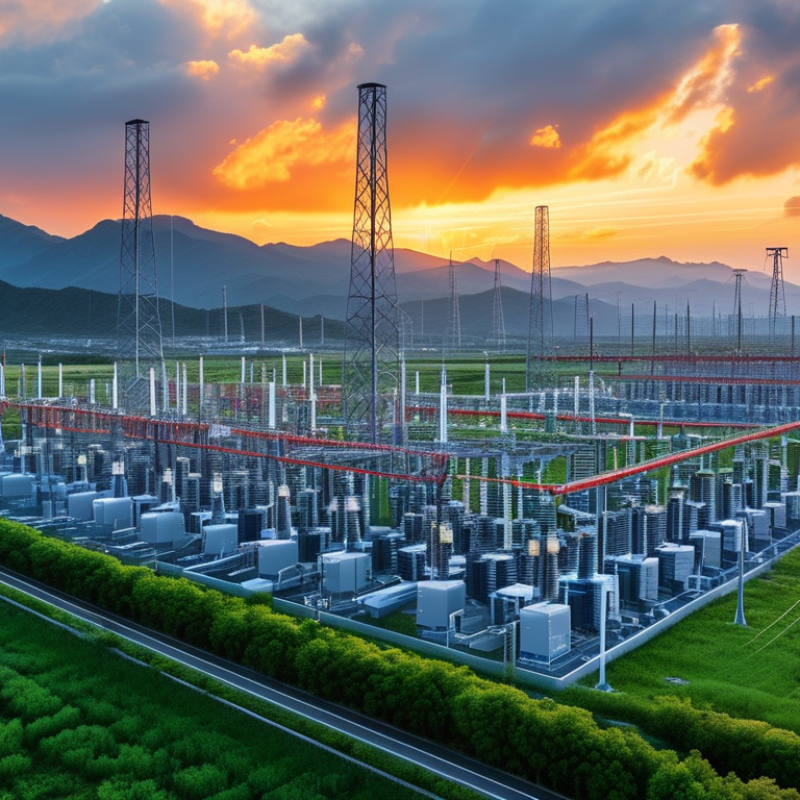
Overview of Gas Insulated Substations (GIS)
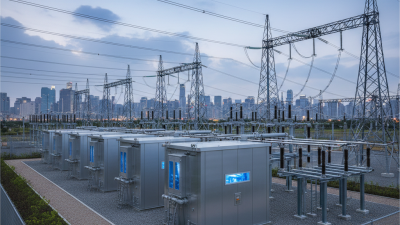
Gas Insulated Substations (GIS) are essential for modern power distribution. They use a gas, usually sulfur hexafluoride (SF6), to insulate high voltage equipment. This design minimizes space requirements, making GIS a preferred option in densely populated areas.
The advantages of GIS lie in their compact design and increased reliability. They require significantly less land than traditional substations. This is crucial in urban environments where space is limited. The operation of GIS reduces maintenance efforts due to their sealed environment. However, the reliability is sometimes questioned because of the complexity of the technology.
Furthermore, the environmental impact of SF6 has raised concerns among industry experts. While GIS enhances efficiency, it also introduces challenges related to gas management. Dealing with leaks is an ongoing issue, which needs constant attention. Continuous improvement is necessary to address these challenges in GIS technology. Emphasizing sustainable practices can help mitigate these environmental risks.
Top 10 Gas Insulated Substations in China You Should Know
| Substation Name |
Location |
Voltage Level (kV) |
Maximum Capacity (MVA) |
Commission Year |
| Substation A |
Beijing |
500 |
2000 |
2015 |
| Substation B |
Shanghai |
220 |
500 |
2018 |
| Substation C |
Guangzhou |
500 |
1500 |
2012 |
| Substation D |
Shenzhen |
110 |
300 |
2020 |
| Substation E |
Chengdu |
500 |
1200 |
2016 |
| Substation F |
Xi'an |
220 |
600 |
2019 |
| Substation G |
Hangzhou |
330 |
800 |
2021 |
| Substation H |
Wuhan |
500 |
1500 |
2022 |
| Substation I |
Nanjing |
220 |
400 |
2023 |
| Substation J |
Tianjin |
500 |
2000 |
2024 |
Significance of GIS in China's Power Infrastructure
Gas Insulated Substations (GIS) play a crucial role in China's power infrastructure. These substations utilize gas insulation to minimize energy losses and maximize efficiency. This design is particularly beneficial in urban areas where space is limited. Compact and reliable, GIS can meet the high demands of both residential and industrial sectors.
The significance of GIS extends beyond just efficiency. Their reliable performance reduces maintenance costs and improves overall grid stability. However, not every installation has been smooth. Challenges such as installation complexities and the need for specialized equipment remain. Power providers must constantly assess these hurdles to optimize GIS performance and integration.
Furthermore, while GIS technology is advancing, the initial costs can be daunting. Some regions hesitate to adopt due to financial constraints. Addressing these economic challenges is critical for widespread acceptance. Collaborative efforts among stakeholders can foster innovation and reduce costs, enhancing GIS's role in China's energy future.
Top 10 Renowned Gas Insulated Substations in China
Gas insulated substations (GIS) play a crucial role in enhancing power system efficiency. These facilities use insulation, often sulfur hexafluoride (SF6), to significantly reduce space and improve safety. According to industry reports, GIS technology can save up to 60% of the land required compared to traditional substations. This advancement is particularly beneficial in densely populated regions.
Several renowned gas insulated substations in China exemplify these benefits. For example, the Beijing Wangjing substation has improved grid reliability while minimizing environmental impact. Similarly, the Shanghai Metro GIS has and continues to demonstrate high operational efficiency and durability. Notably, the integrated design of these substations mitigates the risk of electrical faults and enhances performance.
Tips: Regular maintenance of GIS is vital. Even slight issues can lead to significant expenses. In addition, investing in training for personnel is essential. Knowledgeable staff ensures that systems run smoothly and safely. As GIS technology evolves, staying updated with new practices will greatly benefit operators and stakeholders alike.
Top 10 Gas Insulated Substations in China
This bar chart represents the installed capacity (in MW) of the top gas insulated substations in China. Gas insulated substations are known for their reliability and compact design, making them increasingly popular in urban areas.
Innovative Features and Technologies in Chinese GIS
Gas Insulated Substations (GIS) have transformed the landscape of electrical infrastructure in China. These innovative facilities utilize gases like sulfur hexafluoride to reduce space requirements while improving efficiency. The compact design allows for installation in urban areas, minimizing land use. Engineers are continuously optimizing GIS technology to enhance reliability and minimize environmental impact.
One critical innovation is the use of digital monitoring systems. These systems provide real-time analysis of equipment performance. This data enables proactive maintenance, reducing outages. Additionally, advanced seismic protection features are now standard. These make GIS more resilient to natural disasters, protecting essential infrastructure.
However, challenges remain. The high cost of initial investment can deter smaller projects. Furthermore, the long-term reliability of some components still requires assessment. As technology evolves, addressing these concerns will be essential for wider adoption. Overall, the future of GIS in China looks promising, but careful consideration of these aspects is crucial.
Future Trends for Gas Insulated Substations in China
Gas insulated substations (GIS) are gaining traction in China due to their compact design and reliability. A recent market report indicates that the GIS market in China is expected to grow at a compound annual growth rate (CAGR) of 7.5% from 2023 to 2030. This growth is linked to increasing energy demands and the shift towards renewable sources. Notably, GIS solutions can occupy 30%-50% less space compared to traditional substations, which is critical in urban areas.
Future trends indicate a shift towards more automated and digitally enhanced GIS systems. The integration of IoT technology allows for improved monitoring and predictive maintenance. Reports suggest that predictive maintenance can reduce operational costs by 15%-20%. However, achieving this requires overcoming challenges such as high initial investments and the need for skilled personnel. Some facilities struggle to find qualified technicians who can manage these advanced systems effectively.
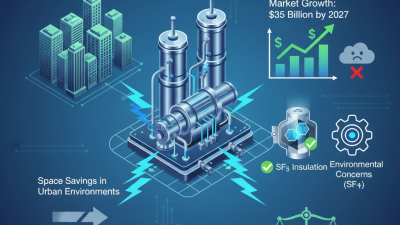
Moreover, the push for sustainability adds another layer of complexity. While GIS technology is more eco-friendly, manufacturers must ensure that the materials used have minimal environmental impact. Choices related to sulfur hexafluoride (SF6), a potent greenhouse gas often used in GIS, are under scrutiny. More research is needed into alternative gases to mitigate environmental concerns. The industry faces a balancing act between innovation and environmental responsibility as it navigates these trends.







 Claire
 Mr.Fu
Mr.Fu

 Claire