Why Gas Switchgear is Essential for Modern Electrical Infrastructure?
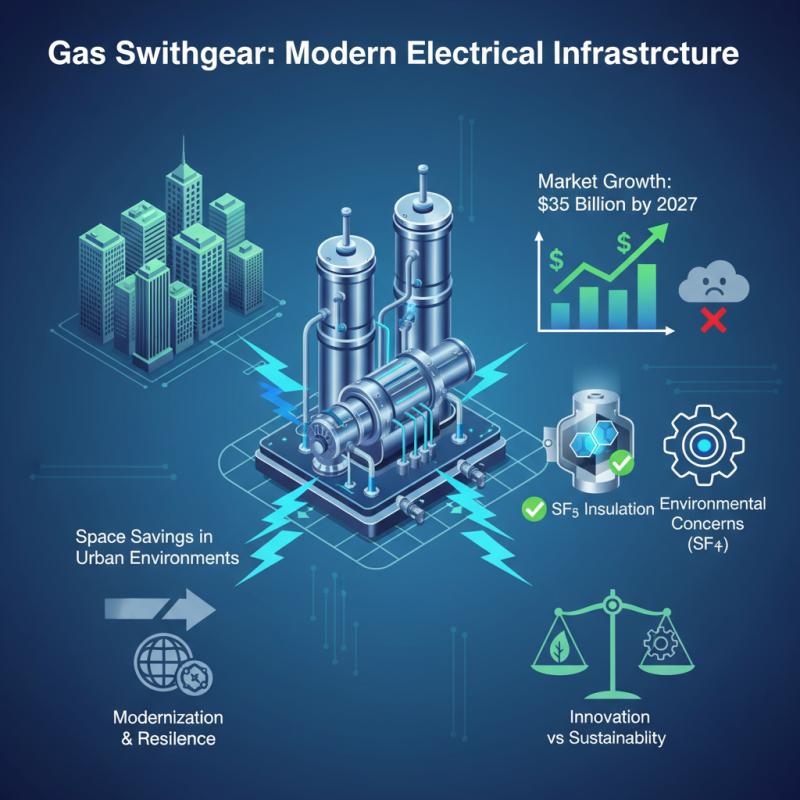
In the evolving landscape of electrical infrastructure, Gas Switchgear is gaining critical attention. The global gas-insulated switchgear market is projected to reach $35 billion by 2027, according to industry reports. Such rapid growth highlights the importance of reliability and efficiency in electrical systems.
Gas Switchgear offers several advantages over traditional air-insulated systems. Its compact design allows for significant space savings, which is crucial in urban environments. Moreover, the use of sulfur hexafluoride (SF6) as an insulating medium enhances performance. However, concerns regarding environmental impact and sustainability have emerged, citing SF6’s high global warming potential.
Implementing Gas Switchgear can mitigate risks and improve resilience in electrical networks. Industry experts argue that modernization is essential for reliable energy distribution. As energy demands rise, transitioning to advanced technologies like Gas Switchgear becomes imperative. Yet, more research is needed to address environmental challenges while maximizing operational efficiency. Balancing innovation with sustainability remains a key focus for the industry.
Importance of Gas Switchgear in Electrical Systems
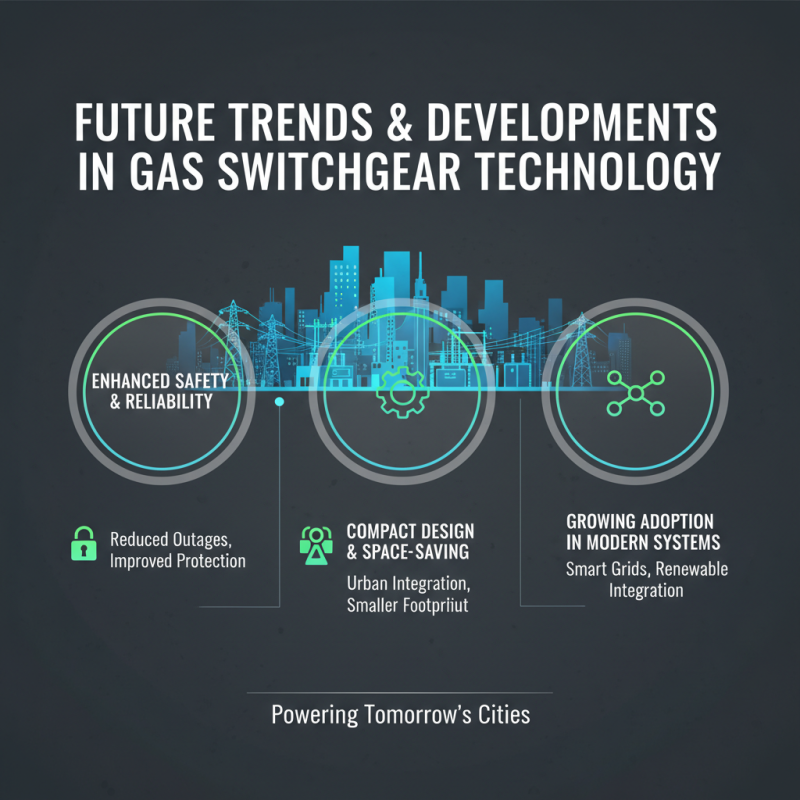
Gas switchgear plays a crucial role in modern electrical systems. It provides enhanced safety and reliability for power distribution. Unlike traditional systems, gas-insulated switchgear (GIS) minimizes the risk of electrical faults. This is critical in urban environments where space is limited. The compact nature of GIS allows for efficient use of available space while maintaining high performance.
Moreover, gas switchgear operates in extreme weather conditions. It is resistant to moisture, dust, and pollution, which can compromise electrical performance. In industrial settings, this resilience translates into reduced downtime and maintenance costs. Investing in gas switchgear is becoming essential for companies looking to ensure uninterrupted power supply. However, the initial installation costs can be daunting for some organizations.
Transitioning to gas switchgear also poses challenges. Training staff to handle this advanced technology is necessary. Not all facilities may be equipped with the proper expertise or infrastructure. While the benefits are significant, the learning curve can be steep. Addressing these challenges is vital for harnessing the full potential of gas switchgear in today's electrical landscape.
Why Gas Switchgear is Essential for Modern Electrical Infrastructure? - Importance of Gas Switchgear in Electrical Systems
| Dimension |
Description |
Importance |
| Insulation Medium |
Gas (SF6) used for insulation |
Provides excellent dielectric strength and reduces footprint |
| Environmental Impact |
Low environmental footprint compared to traditional technologies |
Minimizes greenhouse gas emissions and supports sustainability goals |
| Maintenance |
Requires minimal maintenance |
Reduces operational costs and improves reliability |
| Safety |
Enhanced safety features in design |
Protects personnel and equipment, reducing risk of accidents |
| Efficiency |
High efficiency in energy distribution |
Enhances overall system performance and reduces energy losses |
| Adaptability |
Versatile application in various environments |
Easily integrates into existing systems, facilitating upgrades |
Key Benefits of Using Gas Switchgear over Traditional Methods
Gas switchgear has gained popularity in modern electrical infrastructure. It presents significant advantages over traditional switchgear methods. One key benefit is its compact design. This allows for efficient space utilization, especially in urban environments where land is limited. Additionally, gas switchgear has better insulation properties, reducing the risk of electrical failures.
Another important aspect is safety. Gas-insulated switchgear minimizes the risk of accidental contact with live components. This is particularly crucial in densely populated areas. Moreover, it is less susceptible to harsh weather conditions, ensuring reliability in various environments.
Tips: Always consider the installation space when choosing switchgear. Opt for models with high insulation levels. Regular maintenance checks can prevent unexpected failures. Investing in training for your team can enhance safety and efficiency.
Benefits of Gas Switchgear Over Traditional Methods
This chart illustrates the key benefits of gas switchgear over traditional methods in modern electrical infrastructure. It highlights areas such as space efficiency, maintenance cost, safety, environmental impact, and operational reliability, showcasing the advantages of integrating gas switchgear into electrical systems.
Technological Innovations in Gas Switchgear Design and Functionality
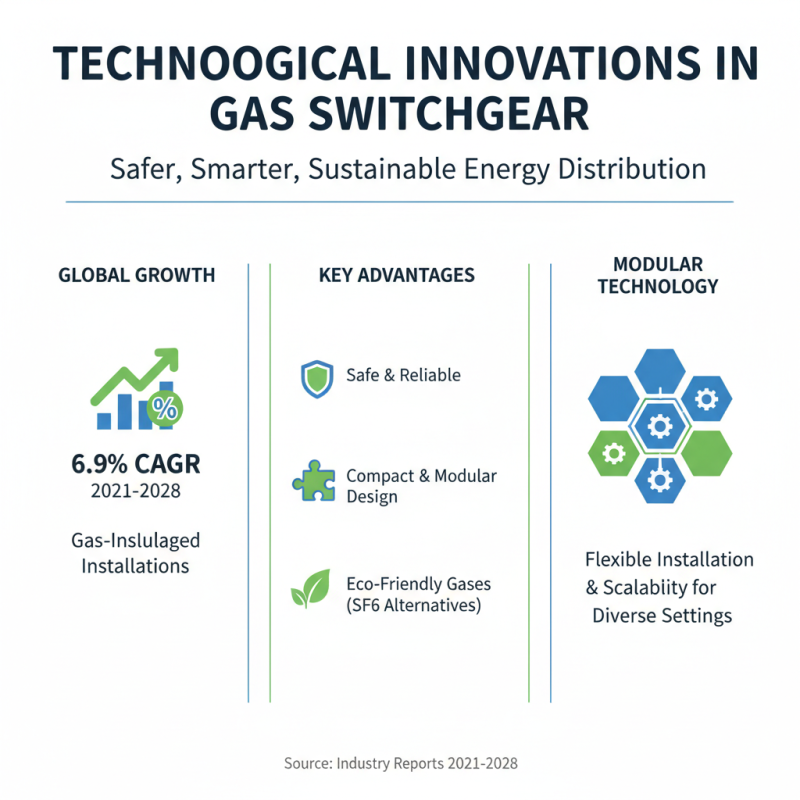
Gas switchgear is revolutionizing modern electrical infrastructure. Recent studies indicate that global installation of gas-insulated switchgear is projected to grow at a compound annual growth rate (CAGR) of 6.9% from 2021 to 2028. This growth reflects a shift towards safe, compact, and efficient energy distribution. The advancements in design include the use of environmentally friendly gases, such as SF6 alternatives, which reduce environmental impact. New designs also focus on modular technology, allowing for flexible installations in various settings.
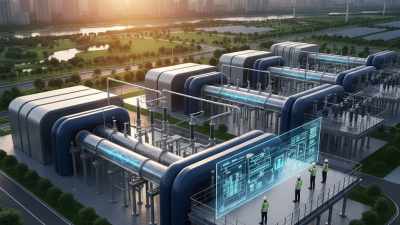
Moreover, technological innovations enhance functionality. Enhanced monitoring systems provide real-time data on equipment performance, aiding in predictive maintenance. Remote operation capabilities are also becoming standard, optimizing accessibility and control. Reports suggest that implementing smart gas switchgear can reduce operational costs by up to 20%. However, the reliance on sophisticated technology raises concerns about cybersecurity vulnerabilities. Infrastructure must be resilient enough to handle potential threats while maintaining operational integrity.
An industry survey indicated that 72% of companies are investing in smart technologies. Yet, only 45% feel adequately prepared for potential disruptions. This gap highlights the need for further innovation and training in the sector. As gas switchgear evolves, balancing technological advances with security measures becomes crucial. Ultimately, these innovations could redefine reliability and efficiency in electrical infrastructure.
Applications of Gas Switchgear in Modern Infrastructure Projects
Gas switchgear plays a vital role in modern electrical infrastructure. Its applications are diverse, impacting various sectors. In urban development, gas switchgear is used for energy distribution in smart grids. A report by the International Energy Agency states that gas-insulated switchgear accounts for about 40% of the global market share. This reflects the growing reliance on this technology for efficient energy management.
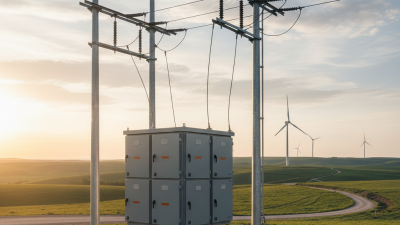
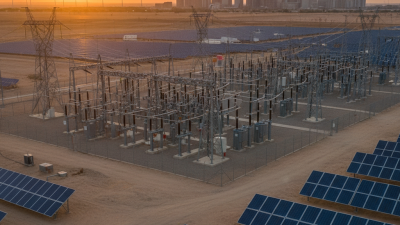
In renewable energy projects, gas switchgear ensures the integration of solar and wind power into the grid. It provides reliability and minimizes space requirements. According to a study from the Electric Power Research Institute, gas switchgear can reduce footprint by up to 60%. This efficiency is crucial in densely populated areas.
However, challenges remain. The initial investment is significant, posing barriers for smaller projects. Additionally, maintenance can be complex due to specialized components and training requirements. Even with these hurdles, the potential benefits of gas switchgear in enhancing electrical infrastructure are undeniable, pushing the industry toward greater sustainability and efficiency.






 Claire
 Mr.Fu
Mr.Fu

 Claire