How to Choose the Best Gas Insulated Substations for Your Needs?
Choosing the right Gas Insulated Substations (GIS) can significantly impact your electrical infrastructure. These systems offer improved safety and require less space compared to traditional substations. Their sleek design and reliability make them a popular choice for urban installations.
It’s essential to consider the specific requirements of your project when selecting a GIS. Factors such as voltage levels, environmental conditions, and load capacity play a vital role. Additionally, evaluating the manufacturer’s reputation and service support is crucial. Some providers may promise high performance yet deliver mediocre solutions once installed.
Reflecting on past projects can offer valuable insights. Many professionals discovered that initial cost savings on GIS can lead to higher maintenance expenses over time. This ongoing analysis enables you to make informed decisions and avoid pitfalls. Ultimately, understanding the intricacies of Gas Insulated Substations will help ensure that your choice meets present and future demands effectively.

Understanding Gas Insulated Substations and Their Importance in Power Systems
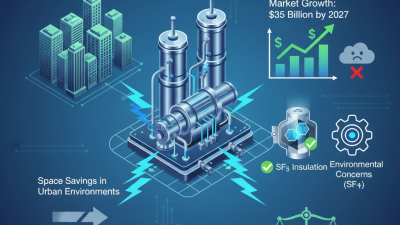
Gas insulated substations (GIS) play a crucial role in modern power systems. They are compact, efficient, and designed to handle high voltage levels while minimizing environmental impact. According to a report by MarketsandMarkets, the GIS market is projected to grow from $19.0 billion in 2022 to $29.9 billion by 2027, reflecting a compound annual growth rate of 9.2%. This growth underscores the increasing dependence on reliable power infrastructure.
The importance of GIS lies in their ability to reduce land requirements and enhance safety. Unlike traditional substations that use air as insulation, GIS rely on sulfur hexafluoride (SF6). SF6 is significantly more effective at insulating electrical equipment than air, reducing the size of substations. However, SF6 is also a potent greenhouse gas, creating a dilemma. Organizations must balance operational efficiency and environmental responsibility in their decisions.
Selecting the right GIS requires careful evaluation of future power demands and maintenance considerations. Additionally, factors such as facility accessibility, local regulations, and environmental impact assessments must be weighed. Though GIS offer many advantages, they also come with considerations about long-term sustainability and potential leakage issues. This intricate decision-making process highlights the need for expert guidance in the selection of appropriate gas insulated substations.
Key Factors to Consider When Selecting Gas Insulated Substations
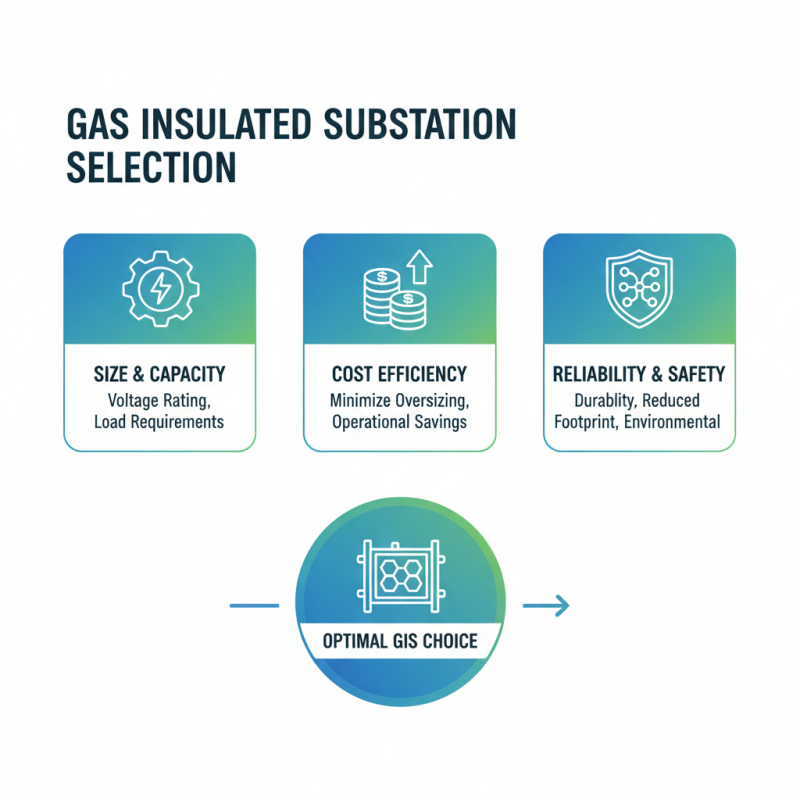
When selecting gas insulated substations (GIS), several key factors play a crucial role. The size and capacity of the substation are vital considerations. Depending on your energy needs, you might require a specific voltage rating. It’s essential to accurately estimate your load requirements to avoid over or under-specifying your equipment. This can lead to inefficiencies in operation and increased costs.
Another important factor is the environmental conditions at the site. GIS can perform well in extreme temperatures and limited space. However, understanding local weather patterns is essential. For instance, areas with high corrosion risks may need additional protective measures. This reflects the need for a robust design that withstands harsh conditions over time.
Consider also the maintenance requirements of the equipment. Gas insulated substations generally require less maintenance than traditional designs. However, this does not make them maintenance-free. Regular inspections are necessary to ensure reliability. Many new users overlook this aspect, which can lead to unforeseen downtime. Adequate planning for maintenance can significantly affect the lifespan and efficiency of the installation. Each factor deserves careful reflection to make the best choice.
Comparative Analysis of Different Gas Insulated Substation Technologies
Gas insulated substations (GIS) have become essential in modern electrical distribution systems. Their compact design offers significant space savings compared to traditional substations. Industry reports show that GIS can save up to 40% of the land area required for conventional setups. However, the choice of technology affects performance and reliability.
There are various GIS technologies available today. Some options include full enclosure designs and hybrid configurations. Full enclosures provide enhanced protection against environmental factors, making them suitable for harsh climates. Hybrid designs optimize cost and space while maintaining reliability. According to a recent report by the International Energy Agency (IEA), the efficiency of GIS technology has improved by 15% over the past decade, leading to lower operational costs.
Despite the advantages, several challenges persist. The initial investment for GIS is typically higher than traditional options. Maintenance skills may require specialized training. Additionally, the materials used in GIS construction can impact lifecycle sustainability. Companies must weigh these factors carefully, ensuring that they align with long-term goals. The decision involves evaluating operational needs and environmental considerations.
How to Choose the Best Gas Insulated Substations for Your Needs? - Comparative Analysis of Different Gas Insulated Substation Technologies
| Technology Type |
Insulation Medium |
Maintenance Frequency |
Footprint Size |
Cost Efficiency |
| Traditional GIS |
SF6 Gas |
Every 4-6 years |
Large |
High |
| Hybrid GIS |
SF6 and Air |
Every 5-7 years |
Medium |
Moderate |
| Compact GIS |
SF6 Gas |
Every 6-8 years |
Small |
Higher initial cost |
| Indoor GIS |
SF6 Gas |
Every 4-5 years |
Very small |
Moderate |
Cost-Benefit Evaluation of Gas Insulated Substations in Urban Settings
When evaluating gas insulated substations (GIS) in urban contexts, a cost-benefit analysis is vital. GIS technology provides a compact solution, making it ideal for cities with limited space. The initial investment may seem high, but the long-term savings can be substantial. They require less maintenance and have a longer lifespan compared to traditional substations. These aspects can offset the upfront costs over time.
Tips: Always consider your specific urban setting. Analyze local regulations, land costs, and proximity to infrastructure. Engaging with local experts can provide insights into potential hidden costs. Assess the total lifecycle cost, not just the installation price.
Another point to reflect on is the environmental impact. GIS emits less noise and has fewer emissions than conventional systems. These benefits contribute to greener urban environments. However, weighing the ecological advantages against initial expenditures is crucial. Is the sustainability worth the cost?
Ultimately, ensure a thorough evaluation. Consider both qualitative and quantitative factors. It’s essential to visualize the long-term implications of your investment. Making informed decisions today will shape better urban landscapes for tomorrow.
Future Trends in Gas Insulated Substation Development and Design
Gas Insulated Substations (GIS) are evolving rapidly. As energy demands grow, the focus is shifting to efficiency and sustainability. Future trends outline significant innovation in this area. We see advanced materials being used to reduce size and improve performance. These innovations promise to enhance reliability while controlling environmental impacts.
Tips: When evaluating GIS, assess your environmental goals. Consider future adaptability. Look for technologies that minimize space and emissions. Small footprints allow for easier integration into urban settings. Efficient designs can lead to long-term savings and better performance.
Automation and digital monitoring are also on the rise. Smart technologies can predict failures and optimize maintenance. This move towards a digitally connected grid supports a more resilient energy infrastructure. However, it's essential to select systems that are compatible with existing networks. This ensures a smooth transition as technology advances.
Tips: Stay updated with industry trends. Engage with experts to understand potential challenges. Building a flexible design will help accommodate future advancements. This proactive approach can lead to improved reliability and operational efficiency.





 Claire
 Mr.Fu
Mr.Fu

 Claire