What are the Key Benefits of Distribution Substations?
Distribution substations play a critical role in the electrical grid, transforming high voltage electricity into a usable form for consumers. According to the U.S. Energy Information Administration, there are over 33,000 distribution substations operating across the United States. These facilities ensure the reliable and efficient delivery of power, impacting millions of households and businesses daily.
The benefits of distribution substations are numerous. They enhance grid reliability by reducing transmission losses and allowing for better voltage regulation. Additionally, they improve the overall safety of electrical systems, minimizing the risk of outages and equipment failures. Reports indicate that implementing advanced technologies in substations can lead to a 20% increase in efficiency, reflecting the importance of innovation in this sector.
However, challenges remain. Older substations may face maintenance issues, leading to performance drops. Moreover, integrating renewable energy sources complicates the management of these facilities. Addressing these issues is vital for sustaining the ongoing benefits of distribution substations in our evolving energy landscape.
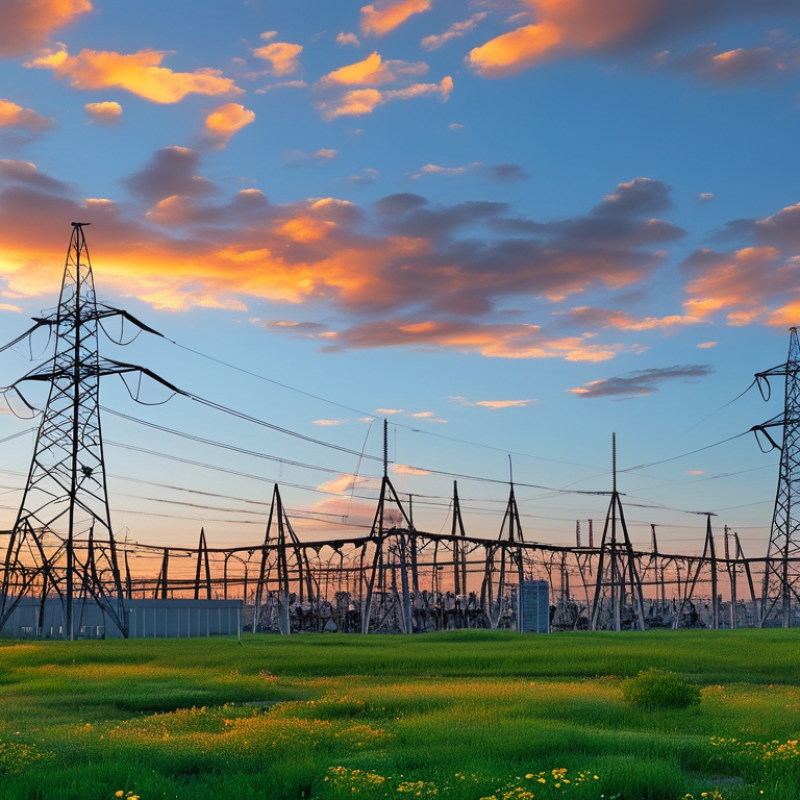
Key Functions of Distribution Substations in Power Systems
Distribution substations play a vital role in power systems. They serve as the link between high-voltage transmission lines and local distribution networks. These substations step down voltage levels for safer and more efficient electricity delivery to consumers. This process minimizes energy losses during transmission.
One key function is the regulation of voltage output. Substations ensure that voltage remains stable, which is crucial for preventing damage to electrical appliances. They also incorporate protection systems. These systems quickly detect faults. By isolating problematic areas, they maintain overall grid stability. Additionally, substations facilitate the monitoring of power flow. Real-time data helps operators make informed decisions.
However, the design and maintenance of these substations require expertise. Malfunctions can lead to widespread outages. Regular inspections are necessary. Some substations may also face physical space limitations. Urban areas can complicate construction and expansion efforts. Addressing these challenges is essential for enhancing reliability.
What are the Key Benefits of Distribution Substations? - Key Functions of Distribution Substations in Power Systems
| Key Benefit |
Description |
Impact on Power Distribution |
| Voltage Regulation |
Maintains stable voltage levels throughout the distribution network. |
Ensures efficient operation by reducing fluctuations and protecting equipment. |
| Load Balancing |
Distributes electrical load evenly across phases. |
Improves overall system reliability and efficiency. |
| Energy Monitoring |
Enables real-time monitoring of energy consumption and losses. |
Facilitates data-driven decision-making for demand management. |
| Backup Supply |
Provides emergency power supply during outages. |
Enhances reliability of service and customer satisfaction. |
| Transformational Capabilities |
Steps down high transmission voltages to usable levels. |
Enables safe and efficient distribution to end users. |
| Integration of Renewable Energy |
Facilitates the connection of renewable energy sources to the grid. |
Promotes sustainability and reduces carbon footprint. |
Enhancing Power Quality and Reliability Through Distribution Substations
Distribution substations play a crucial role in enhancing power quality and reliability. They serve as the connection point between high-voltage transmission lines and the lower voltage distribution network. This vital function helps to reduce energy losses. By transforming voltages, these substations ensure that electricity reaches homes and businesses at safe levels.
One of their significant benefits is improved voltage regulation. By maintaining voltage levels within specific limits, these substations reduce the risk of equipment damage. Additionally, they help manage load fluctuations effectively. This capacity is particularly important during peak demand periods. Consistent voltage levels result in better performance of electrical appliances.
However, while distribution substations enhance reliability, they also face challenges. Infrastructure maintenance can be expensive and complex. Aging equipment may lead to failures, causing outages. Operators must remain vigilant. They require ongoing monitoring and upgrades to ensure optimal functionality. Investing in these areas can shift the balance toward enhanced power quality.
Role of Distribution Substations in Load Management and Control
Distribution substations play a crucial role in load management and control. They regulate electricity distribution across a network. This ensures reliable power supply to various consumers, including homes and businesses. By controlling voltage levels, distribution substations prevent overloads and mitigate outages.
Efficient load management reduces energy waste. Power is delivered where it's needed most. Sometimes, however, substations face challenges like aging equipment or unexpected demand spikes. Such issues can disrupt operations. Regular maintenance and upgrades are essential for optimal performance.
Tips: Monitor energy consumption patterns. Understanding peak usage times can help manage load effectively. Also, invest in smart technologies. These can enhance control and improve response times to changing demands. Engaging with local energy providers can provide valuable insights.
Safety Measures and Maintenance Practices for Distribution Substations
Safety in distribution substations is paramount. These facilities play a critical role in delivering electricity to homes and businesses. Proper maintenance practices help prevent accidents and ensure reliability. Regular inspections of equipment can identify potential hazards. This includes checking transformers, circuit breakers, and protective relays. Each component must function optimally to avoid failures.
Training personnel is essential. Technicians should be well-versed in safety protocols. This includes wearing appropriate personal protective equipment (PPE). Regular drills enhance readiness for emergencies. However, communication gaps can occur in large teams. Establishing clear communication channels minimizes confusion during critical situations.
Routine maintenance schedules must be adhered to. Ignoring minor issues can lead to significant failures. Record-keeping is vital for tracking maintenance work. Yet, documentation can sometimes be overlooked. This can hinder effective future planning. Safety measures should adapt to new technologies. As systems evolve, so must our practices. This proactive approach is crucial for sustainable operations.
Key Benefits of Distribution Substations
Technological Innovations Influencing Distribution Substation Efficiency
Technological innovations are reshaping the efficiency of distribution substations. Smart grid technology integrates real-time data collection. This advancement allows operators to monitor the system continuously. Enhanced data analytics help in predictive maintenance. Equipment issues can be addressed before failures occur. This proactive approach minimizes downtime.
The use of energy storage systems also proves beneficial. These systems can store excess energy during low demand periods. They release it during peak times, thus stabilizing the grid. The combination of renewables with these storage solutions enhances sustainability. However, integrating these technologies requires careful planning.
Tips: Regularly assess your substation's technology needs. Engage with experts to understand the latest trends. Stay informed about new tools for better efficiency. Embracing innovation is vital but watch for implementation challenges. Balancing technology with practical application is key.






 Claire
 Mr.Fu
Mr.Fu

 Claire