What is a Gas Insulated Substation and How Does it Work?
Gas Insulated Substations (GIS) are transforming the landscape of electrical infrastructure. According to a report by MarketsandMarkets, the global GIS market is projected to reach $41.8 billion by 2026. This growth is fueled by the increasing need for compact and reliable substations. GIS technology is particularly beneficial in urban environments where space is limited.
Dr. Emily Johnson, a leading expert in the field of electrical engineering, emphasizes, "Gas Insulated Substations are not just efficient; they redefine how we approach energy distribution." This statement underscores the shift towards advanced solutions in power systems. While GIS offers many advantages, such as reduced footprint and superior safety, challenges remain. High initial costs can deter some investors.
Moreover, maintenance can be complex, requiring specialized skills. The deployment of GIS necessitates a careful balance of cost, technology, and expertise. As the world moves towards smarter grids, the role of Gas Insulated Substations will become increasingly pivotal, yet critical evaluation of their implementation is essential.
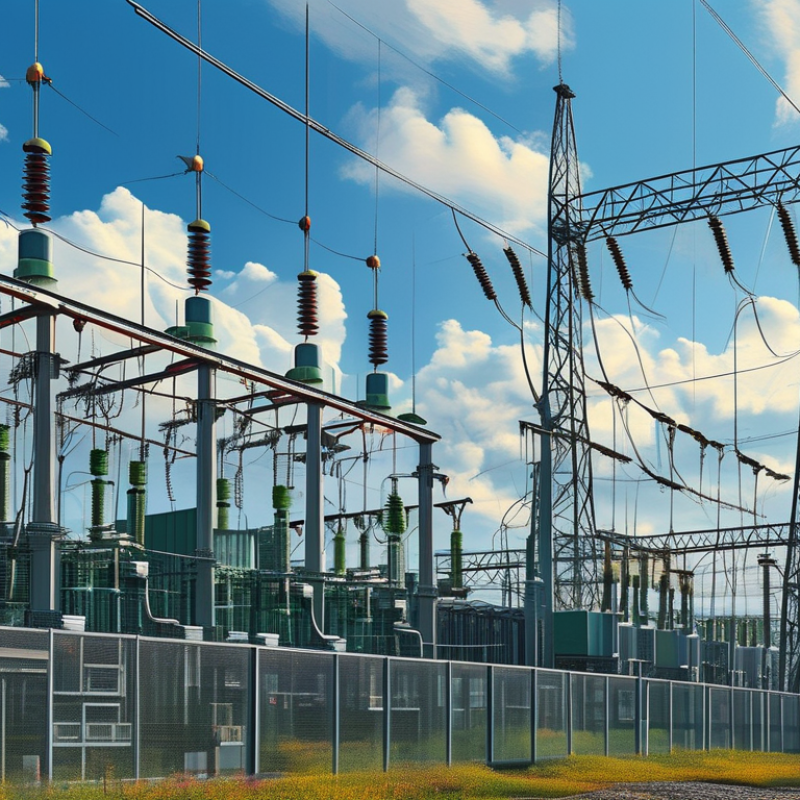
What is a Gas Insulated Substation (GIS)?
A Gas Insulated Substation (GIS) is a pivotal element in modern electrical grids. It uses gas, typically sulfur hexafluoride (SF6), to insulate its components. This approach allows for significant space savings, often reducing the physical footprint by up to 90% compared to traditional air-insulated substations. According to industry reports, GIS technology is becoming increasingly popular due to its reliability and ability to operate in harsh environmental conditions.
GIS offers both advantages and challenges. One major benefit is its lower environmental impact. The compact design minimizes land use, which is critical in urban areas. However, SF6 is a potent greenhouse gas with a global warming potential 23,500 times greater than CO2. This raises concerns about its long-term use. According to the International Energy Agency (IEA), GIS is responsible for nearly 2.5% of emissions in the electrical sector. Operators are thus looking for alternatives, emphasizing the need for innovation in insulation technologies.
Additionally, while GIS technology enhances system reliability, maintenance can be complex. Limited accessibility and specialized requirements can lead to higher upkeep costs. Industry experts highlight the importance of skilled personnel in this field. Since mishandling can lead to equipment failures, ongoing training and adherence to safety protocols are crucial. Integrating GIS into a grid requires careful planning and consideration of its long-term impacts on the environment and maintenance practices.
Key Components of Gas Insulated Substations
Gas Insulated Substations (GIS) are cutting-edge facilities used in the power sector. These substations utilize gas insulation, primarily SF6, to ensure safe and efficient operation. The key components of GIS include gas-insulated switchgear (GIS), busbars, and transformers. Each part plays a crucial role in maintaining electrical performance while minimizing space requirements.
Switchgear in a GIS is critical. It helps control, protect, and isolate electrical equipment. The compact design allows for installations in urban areas where space is limited. Busbars connect different components within the substation, forming a safe and efficient pathway for electricity. Transformers then step-up or step-down voltage levels as needed.
Tips: Regular maintenance checks are vital. Inspect seals and gaskets to prevent gas leaks. Keep an eye on insulation integrity to ensure safety. Emergency plans should be in place. Safety protocols can save lives during unexpected situations.
Gas-insulated components also require specialized training for technicians. It’s essential to understand the unique risks involved. GIS might offer space-saving benefits, but they come with complexity. Proper training ensures that workers can navigate this complex environment safely and effectively.
What is a Gas Insulated Substation and How Does it Work? - Key Components of Gas Insulated Substations
| Component |
Function |
Material Used |
Key Features |
| Gas Insulation |
Provides electrical insulation |
Sulfur Hexafluoride (SF6) |
High dielectric strength, excellent thermal performance |
| Busbars |
Conduct electricity between components |
Copper or Aluminum |
Compact design, high conductivity |
| Circuit Breakers |
Protect the system by interrupting the current |
Insulating materials and metal contacts |
Fast response time, reliable operation |
| Instrument Transformers |
Measure current and voltage |
Silicon and insulating plastics |
High accuracy, stability |
| Control Systems |
Monitor and control the substation |
Electronic components |
Automated operation, remote monitoring |
How Gas Insulated Substations Operate
Gas Insulated Substations (GIS) are crucial for modern power distribution. They use gas, usually SF6, as an insulating medium. This method allows for a compact design. GIS can occupy 25% less space than traditional substations. Space-saving is vital in urban areas where land is limited. According to the IEEE, GIS installations can reduce environmental impact significantly. Their design minimizes the need for extensive overhead lines.
The operational mechanism of GIS involves several components. They include circuit breakers, bus bars, and transformers. Each piece is sealed in a chamber filled with SF6. This insulation offers high reliability. A recent report from the Electric Power Research Institute indicates that GIS solutions have a failure rate of less than 0.01%.
However, there are challenges. Handling SF6 requires proper protocols due to its greenhouse gas effects. Regular maintenance is essential to prevent leaks. Planning is critical to ensure efficiency and safety. As demand for electricity rises, the importance of GIS will likely increase. Balancing efficiency with environmental responsibility will remain a key focus.
Advantages of Using Gas Insulated Substations
Gas Insulated Substations (GIS) are transforming the way we manage electrical distribution. These substations use gas, typically sulfur hexafluoride (SF6), for insulation. This method significantly reduces the size of the equipment. As cities grow, space becomes a premium. GIS can fit into urban environments with ease.
One of the main advantages is reliability. GIS systems are less susceptible to environmental factors. They perform well in harsh conditions. This durability reduces maintenance needs. With fewer outages, utilities can maintain a steady power supply. Additionally, GIS technology minimizes the risk of accidents. Gas insulation helps prevent short circuits, ensuring safety.
However, it’s important to note some challenges. The cost of GIS can be higher than traditional substations. This initial investment can deter organizations. There are also concerns about SF6's environmental impact. While effective, this gas is a potent greenhouse gas. Balancing efficiency with environmental responsibility is crucial. Continuous advancements in technology may help address these issues.
Applications and Importance of GIS in Modern Power Systems
Gas Insulated Substations (GIS)
play a vital role in modern power systems. Their compact design allows for efficient use of space in urban areas.
GIS units use gas as an insulating medium instead of traditional air. This feature makes them less susceptible to
environmental conditions. With a smaller footprint, they can be placed closer to demand centers.
The applications of GIS are diverse and crucial. They are
often used in high-voltage transmission networks. Due to their reliability, utilities prefer GIS for
critical infrastructure. They minimize the risk of outages. Maintenance is less frequent than with conventional
substations, which is beneficial for operational efficiency. However, the initial costs can be higher.
Utilities must weigh these factors carefully.
As cities grow, so does the need for modern electrical solutions.
GIS helps address this challenge effectively. They allow
for better integration of renewable energy sources. This flexibility is essential for sustainable development.
Some engineers still debate the long-term impacts of using GIS systems. Continuous improvements are necessary to
maximize benefits and minimize drawbacks. Balancing these aspects will ensure GIS remains a
cornerstone of power distribution.





 Claire
 Mr.Fu
Mr.Fu

 Claire