Top 10 Automatic Switches for Efficient Energy Management?
In today's fast-paced world, energy efficiency is paramount. Automatic switches are a key technology in managing energy use effectively. As energy expert Dr. Emily Carter once stated, "Automatic switches pave the way for smarter energy consumption." These devices optimize power usage, reducing waste and maximizing efficiency.
Automatic switches come in various forms, from smart thermostats to motion-sensor lights. Each plays a role in minimizing energy consumption. They adapt to user habits and environmental changes, resulting in cost savings and reduced carbon footprints. However, not all automatic switches are created equal. Some may fail to deliver on their promises, leading to frustration.
Choosing the right automatic switch requires careful consideration. Factors like compatibility, price, and functionality are essential. Investing in quality products is crucial for effective energy management. A poorly chosen switch can lead to inefficiencies that offset potential savings. Ultimately, the goal is to strike a balance between technology and practical use.
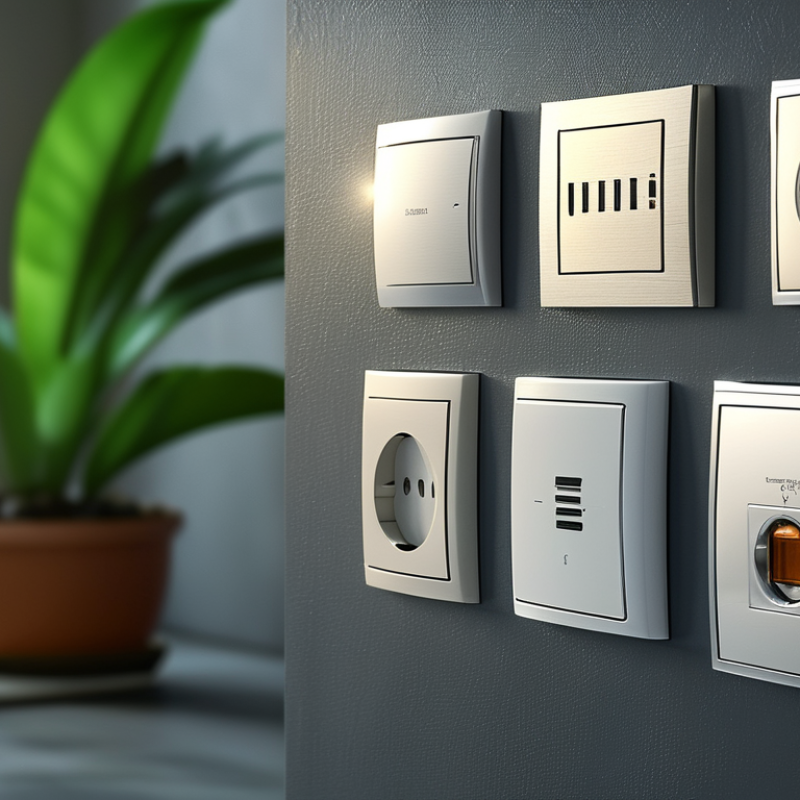
Top Features to Look for in Automatic Switches for Energy Management
Automatic switches play a crucial role in energy management, enhancing efficiency in various settings. When selecting an automatic switch, consider specific features that ensure optimum performance and reliability. These features not only contribute to energy savings but also provide valuable data integration for better management decisions.
Look for advanced sensor technology in switches. Sensors can detect motion, light levels, and temperature, adjusting power usage accordingly. This capability can reduce energy waste significantly. Reports show that utilizing such technologies can decrease energy costs by up to 30%.
User-friendly interfaces are essential. They allow easy programming of settings and schedules. Intuitive controls enhance usability, making it simpler to monitor and manage energy consumption.
Tip: Regularly assess your energy consumption data. This practice helps in identifying patterns and optimizing settings further. Monitoring energy use supports informed decisions for future upgrades.
Additionally, durability and safety features should not be overlooked. Automatic switches should comply with regulatory standards. Consider devices rated for performance and safety under real-world conditions. Weaknesses in functionality may hinder effective energy management.
Tip: Invest in training staff on how to use these systems effectively. Proper knowledge can enhance the benefits provided by these technologies. An informed approach can prevent malfunctioning due to user errors.
Top 10 Automatic Switches for Efficient Energy Management
Analysis of Energy Savings Achieved by Automatic Switches in Commercial Use
Automatic switches have transformed energy management in commercial settings. By optimizing lighting and power usage, businesses can achieve significant cost reductions. Employing these switches helps minimize unnecessary energy consumption. This leads to better operational efficiency and lower utility bills.
Tips: Installing automatic switches requires careful planning. Conduct an energy audit to identify key areas for improvement. Understanding usage patterns is essential. Transitioning may feel daunting, but the long-term benefits are significant.
Moreover, the analysis of energy savings reveals impressive results. Many businesses report a reduction of 20% in energy costs. Automatic switches can adjust settings based on occupancy, leading to reduced waste. However, businesses must regularly reevaluate their systems. Are they using the most efficient settings?
Tips: Regular maintenance is vital. Ensure your switches are functioning correctly. Data tracking can provide insights into energy consumption patterns. This information facilitates better decision-making.
Comparative Review of Leading Brands of Automatic Switches and Their Efficiency
Automatic switches play a crucial role in energy management. They help regulate power usage and can lead to significant savings. Selecting the right one requires careful evaluation of efficiency. Numerous brands offer similar features, yet their effectiveness can vary.
Some automatic switches have advanced programming capabilities. This allows users to tailor settings based on specific needs. Others may lack flexibility, leading to less optimal energy use. Specific models demonstrate clear strengths, like energy savings during peak hours, while others struggle in different environments.
User feedback reveals experiences that are not always positive. Some models may fail to respond quickly or accurately. This inconsistency raises questions about reliability. It’s essential to weigh pros and cons to choose the best option. Continual assessment of performance is necessary, as technology evolves rapidly.
Case Studies Illustrating the Impact of Automatic Switches on Energy Consumption
Automatic switches play a significant role in energy management systems. They help in reducing energy wastage and improving efficiency across various sectors. For example, a recent report from the International Energy Agency (IEA) indicates that integrating automatic switches can lead to energy savings of up to 20% in commercial buildings. This data highlights the importance of such technologies in achieving sustainable energy consumption.
Case studies reveal practical impacts of using automatic switches. In a mid-sized office building, implementing these devices reduced lighting energy use by 30% over a year. This was due to the switches’ ability to adjust lighting based on occupancy levels. Similarly, a retail outlet reported a 25% decrease in energy costs after automated systems were installed. These cases underline how automatic switches not only cut costs but also promote environmentally friendly practices.
Despite these successes, some challenges remain. Many businesses are hesitant to invest in such technologies due to upfront costs and complexity. Education about return on investment is crucial to overcoming these barriers. As industry reports suggest, understanding the financial benefits over time can encourage wider adoption. Emphasizing the importance of ongoing education in energy management can lead to more effective implementation of automatic switches.
Future Trends in Automatic Switch Technology for Sustainable Energy Solutions
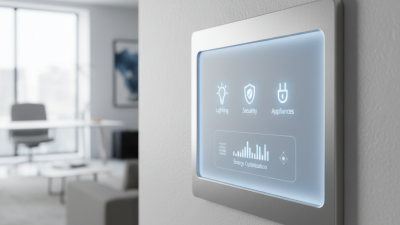
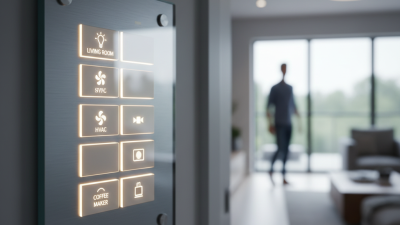
The evolution of automatic switch technology is key to managing energy efficiently. As the world aims for sustainability, these switches are becoming smarter. They offer features like remote control and real-time monitoring. This allows users to optimize their energy usage. With built-in sensors, they can detect occupancy and adjust settings automatically. This not only saves energy but also reduces costs.
Looking ahead, trends indicate more integration with renewable energy sources. Automatic switches are set to enhance grid resilience. They can communicate with solar panels or wind turbines seamlessly. Imagine a system where switches adapt to energy production and consumption patterns. This is the future of smart homes and buildings. However, implementing such technology raises challenges. Compatibility issues can hinder effectiveness. The cost of new systems can deter adoption. Thus, industry players must focus on solutions to these problems.
Transparency and reliability must remain priorities. With growth comes responsibility. Users need to trust these systems to deliver on promises. Continuous research and development are essential to address concerns. Stakeholders must work together to ensure that automatic switches contribute positively to energy management.





 Claire
 Mr.Fu
Mr.Fu

 Claire