What is Rmu Electrical Panel and How Does It Benefit Your Business?
The Rmu Electrical Panel plays a vital role in modern electrical distribution systems. According to John Smith, a renowned electrical engineer, “The Rmu Electrical Panel enhances both efficiency and safety in industrial applications.” His expertise reflects the growing significance of these panels in various sectors.
These panels manage electrical power distribution effectively. They minimize downtime and reduce operational risks. Businesses investing in Rmu Electrical Panels often experience increased reliability. However, selecting the right panel can be challenging. It requires understanding both technical specifications and operational demands.
Many organizations overlook the long-term benefits of proper electrical infrastructure. This oversight can lead to costly inefficiencies. A well-designed Rmu Electrical Panel provides essential support. It ensures smooth operations, but businesses must remain vigilant. Continuous maintenance and evaluations are necessary to sustain performance and benefit fully.
What is an RMU Electrical Panel? A Comprehensive Overview
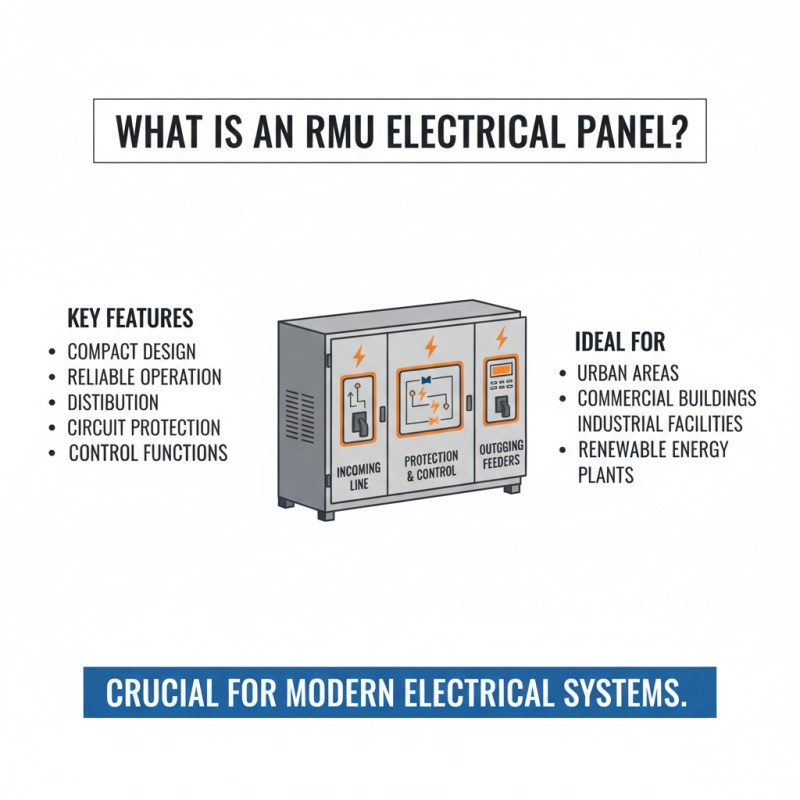
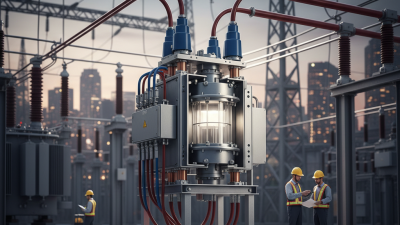
RMU electrical panels play a crucial role in modern electrical systems. These panels are compact, reliable, and designed for distribution. They combine several functions, including protection and control of electrical circuits. Businesses benefit from RMU panels due to their space-saving design. This is especially valuable in areas where real estate is expensive.
An RMU panel typically consists of switchgear, fuses, and control units. It centralizes operations, making it easier to manage power distribution. The technology ensures maintenance is straightforward. Users can perform regular checks with minimal disruption. However, some businesses find that initial installation can be complex. Understanding the proper setup is key to leveraging the RMU’s benefits.
Reliability is a paramount feature of RMU panels. They offer enhanced safety measures, reducing the risk of electrical faults. Regular training for staff on handling these units is essential. Experienced personnel can maximize the efficiency of these electrical solutions. Still, ongoing maintenance and inspections remain a challenge. Companies must prioritize these aspects to ensure long-term functionality. Finding the right balance between efficiency and costs may require reflection.
Key Components of RMU Electrical Panels and Their Functions
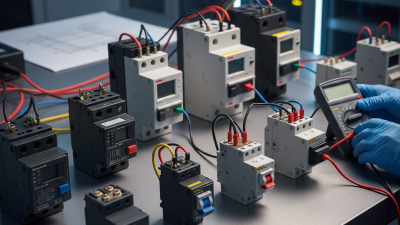
RMU electrical panels play a crucial role in managing electrical distribution in commercial settings. These panels serve multiple functions that enhance operational efficiency. Central to their design are components like switches, fuses, and transformers, each with specific duties. The switches help control the flow of electricity, allowing for quick disconnects during maintenance. Fuses protect against overloads, while transformers ensure voltage is adjusted correctly for various equipment needs.
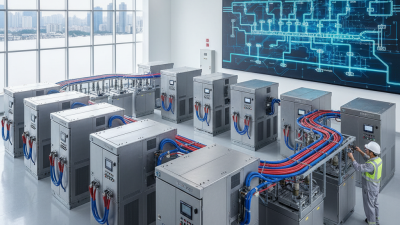
One key aspect of RMU panels is their integration in smart grids. This technology allows for better monitoring and control of energy consumption. However, as businesses grow, reliance on these systems can lead to challenges. For instance, outdated components might not meet increased demand. Regular maintenance and upgrades are vital for ensuring reliability.
Understanding RMU panels is necessary for businesses focused on efficiency. Still, it raises questions about long-term planning. Are businesses prepared for technological advancements? As demands evolve, consistent assessment of electrical systems will be essential. Embracing innovation while addressing existing shortcomings is a balancing act many face today.
The Role of RMU Panels in Enhancing Electrical Safety Compliance
RMU panels play a crucial role in enhancing electrical safety compliance for businesses. These units are designed to manage electrical distribution in a secure manner. According to the National Fire Protection Association, improper electrical setups account for about 35% of industrial fires. Therefore, ensuring that electrical components are housed correctly is vital.
One significant advantage of RMU panels is their ability to minimize risks in electrical installations. They provide a compact and organized solution for high voltage electrical systems. This reduces the potential for short circuits. In a recent study, the International Electrotechnical Commission highlighted that well-designed switchgear, like RMU panels, can decrease equipment failure rates by up to 30%. This fortifies both operational reliability and safety.
However, even with modern technology, companies must remain vigilant. Regular inspections and maintenance are necessary to uphold safety standards. A survey indicated that around 20% of organizations neglect routine checks, leading to compliance issues. RMU panels can only be effective if businesses are proactive in their upkeep and training staff on safety protocols. Thus, while RMUs offer significant benefits, the responsibility lies heavily on organizations to ensure their systems operate safely and efficiently.
Cost-Benefit Analysis: RMU Panels vs. Traditional Electrical Solutions
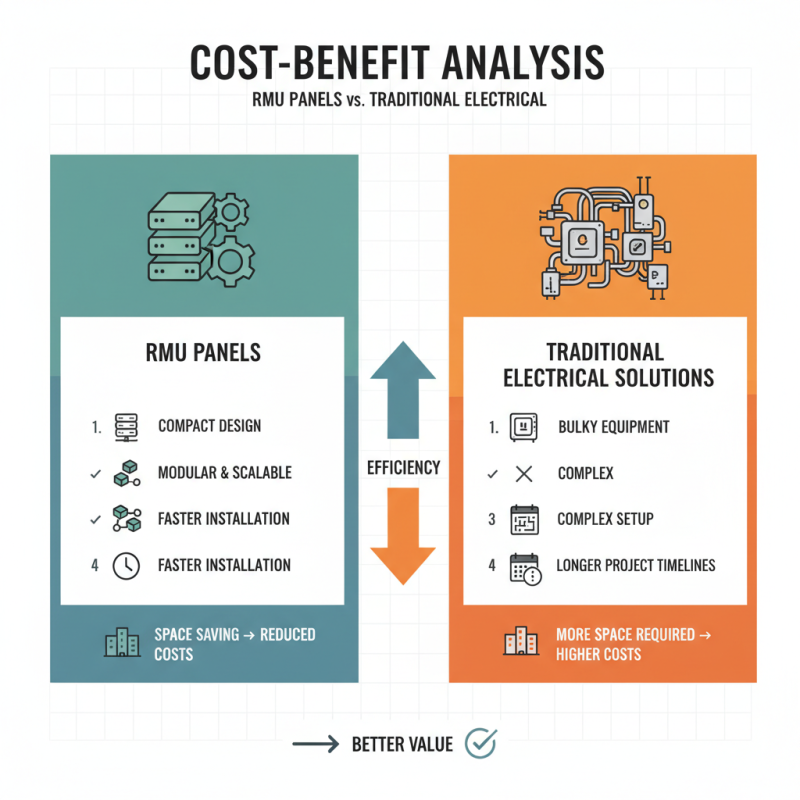
When considering the cost-benefit analysis of RMU panels versus traditional electrical solutions, several factors come into play. RMU panels are known for their compact design and modularity. They save space while providing effective power management. Traditional systems can be bulky, often requiring extensive installation space. This leads to higher installation costs and longer project timelines.
Moreover, RMU panels typically offer improved reliability. They require less maintenance, which can lead to long-term savings. Traditional systems may necessitate frequent repairs, increasing operational costs. The initial investment in RMU technology might be higher, but the reduction in ongoing expenses often justifies the cost. Delays in traditional systems can affect productivity, while RMU panels help maintain a consistent power supply.
It's crucial to weigh these factors against your business's specific needs. While RMUs offer innovative benefits, the transition may pose challenges. Some businesses may find it hard to integrate RMU panels into existing infrastructure. It's essential to evaluate these potential roadblocks. An informed decision requires balancing initial investments with long-term gains. Each option has unique advantages and potential drawbacks that must be carefully considered.
Impact of RMU Panels on Operational Efficiency and Downtime Reduction
RMU electrical panels play a pivotal role in enhancing operational efficiency for businesses. These panels distribute electricity reliably, ensuring a stable power supply. A well-designed RMU can significantly reduce downtime. It minimizes disruptions by enabling easier maintenance and quicker fault isolation. This is critical for businesses where every minute counts.
Operating an RMU panel may seem straightforward, yet it requires careful monitoring. Regular maintenance checks can identify potential issues before they escalate. However, some companies overlook this, risking unexpected outages. It's essential to establish a routine for inspections. Training staff on RMU systems can also enhance their understanding and improve response times.
The impact of RMU panels goes beyond just power supply. They support system reliability and contribute to safer working environments. This reliability allows businesses to focus on their core activities without fearing power interruptions. While RMUs can provide significant benefits, businesses must remain proactive in their management to realize these advantages fully.
What is RMU Electrical Panel and How Does It Benefit Your Business?
| Dimension |
Description |
Impact on Business |
| Operational Efficiency |
Improves power distribution and monitoring. |
Increased productivity and reduced energy waste. |
| Downtime Reduction |
Minimizes equipment failure and outages. |
Enhanced reliability and availability of operations. |
| Safety Enhancements |
Incorporates safety features to prevent accidents. |
Lower risk of workplace injuries and liabilities. |
| Scalability |
Allows for future expansion and upgrades. |
Cost-effective adaptation to growth demands. |
| Energy Monitoring |
Real-time tracking of energy usage. |
Informed decisions leading to cost savings. |







 Claire
 Mr.Fu
Mr.Fu

 Claire