What is an Outdoor Ring Main Unit and Its Benefits for Buyers
In a world increasingly reliant on efficient power distribution, the Outdoor Ring Main Unit (RMU) stands out. According to Dr. Emma Carter, a leading expert in electrical engineering, "The Outdoor Ring Main Unit revolutionizes energy access in remote areas." The Outdoor Ring Main Unit serves as an essential component for ensuring stable electrical connections in outdoor environments, often bridging the gap between substations and consumers.
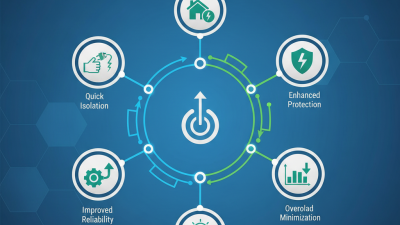
An Outdoor Ring Main Unit is an integrated solution that enhances distribution network flexibility. Its design allows for ease of maintenance and quick fault isolation, which can minimize downtime significantly. In installations ranging from urban to rural settings, reliability is crucial. Yet, the Outdoor Ring Main Unit does have limitations. Its dependence on weather conditions and potential environmental impacts require consideration.
The benefits for buyers are substantial. The Outdoor Ring Main Unit promotes efficiency and reduces operational costs. It strengthens infrastructure, improving service reliability. Nevertheless, prospective buyers must also evaluate their specific needs and location challenges. Finding the right balance can be complex but rewarding. Investing wisely can lead to long-term benefits in power distribution.
What is an Outdoor Ring Main Unit?
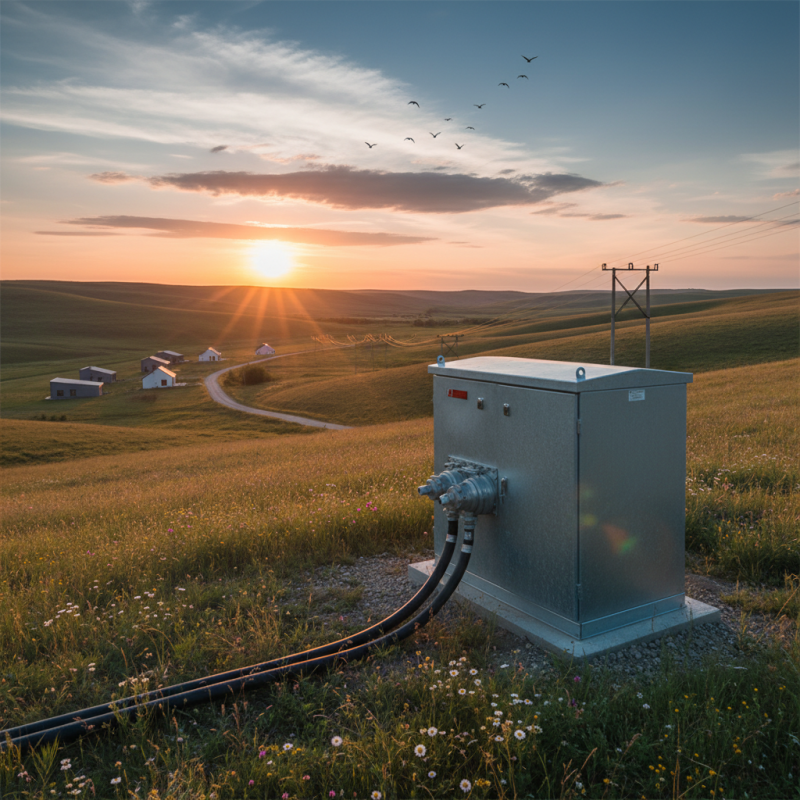
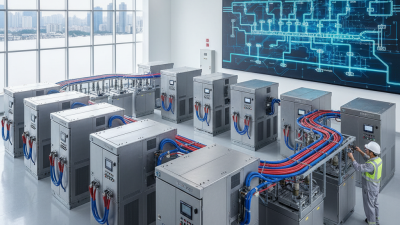
An outdoor ring main unit (RMU) is a compact electrical device designed for effective power distribution. It is typically used in urban areas for medium voltage applications. The unit connects various electrical feeders in a loop, allowing for efficient load management and redundancy. One key advantage is its ability to maintain power supply even during maintenance or faults.
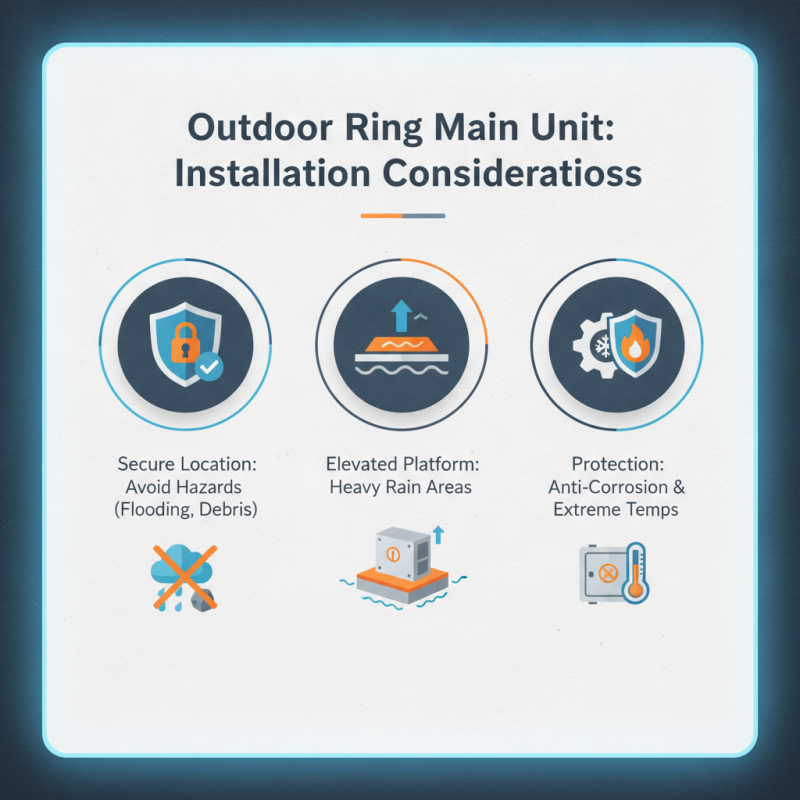
The outdoor RMU is built to withstand harsh environmental conditions. It features robust insulation materials and weatherproof enclosures. This durability makes it suitable for outdoor installations in diverse climates. Users often appreciate the ease of access for operation and maintenance. However, some installations might not consider space constraints. Proper planning is essential to optimize the benefits of an outdoor RMU.
Many buyers find the improved reliability of power distribution appealing. The design minimizes downtime, which is critical for businesses. Yet, there can be challenges in integrating these units into existing systems. Older infrastructures might require upgrades to accommodate modern technology. Users should weigh these factors when evaluating the outdoor RMU.
What is an Outdoor Ring Main Unit and Its Benefits for Buyers
| Feature |
Description |
Benefits |
| Compact Design |
Designed to occupy minimal space in outdoor environments. |
Ideal for areas with limited installation space. |
| Weather Resistant |
Constructed with materials that withstand harsh weather conditions. |
Ensures reliability and longevity in outdoor settings. |
| Ease of Maintenance |
Designed for easy access to components for servicing. |
Reduces downtime and maintenance costs. |
| Enhanced Safety Features |
Incorporates advanced protection against electrical faults. |
Minimizes risks and enhances user safety. |
| Energy Efficiency |
Optimized for reduced energy losses during operation. |
Lowers operational costs over time. |
| Versatility |
Can be utilized in varying applications, including urban and rural areas. |
Fits diverse buyer needs and environments. |
Key Components of an Outdoor Ring Main Unit
Outdoor Ring Main Units (RMUs) are critical in modern electrical distribution systems. They are designed for outdoor use, providing reliable and safe connections between various circuits. The key components that make up an outdoor RMU include the switchgear, bushing insulators, and circuit breakers. These elements work together to manage and control the power flow efficiently.
The switchgear is the heart of the RMU. It allows operators to switch electrical circuits on and off. This feature enhances maintenance capabilities. Bushing insulators ensure that live components do not transfer voltage to the ground. They play a crucial role in preventing electrical faults. Circuit breakers automatically disconnect power in case of overloads, protecting the system from potential damage.
Despite these advanced features, outdoor RMUs are not without challenges. Weather conditions can impact their longevity. For example, extreme temperatures or humidity may cause insulation failures. Regular inspections are needed to maintain their reliability. Buyers must consider these factors when investing in RMUs. Understanding the components helps in making an informed decision, ensuring the system’s efficiency and reducing future risks.
Benefits of Using an Outdoor Ring Main Unit for Consumers
An outdoor ring main unit (RMU) is essential for modern electrical systems. It offers several benefits for consumers looking to enhance their power distribution infrastructure. This compact and robust unit ensures reliable electricity supply, especially in urban areas. Its outdoor design allows for better space management, saving valuable real estate in congested environments.
One significant advantage of an outdoor RMU is its durability. Built to withstand harsh weather conditions, it provides long-lasting service. This durability reduces maintenance costs over time. However, potential buyers must consider installation challenges and site assessments. Proper planning is needed to avoid complications later. Additionally, while these units are generally reliable, there can be occasional failures that necessitate quick solutions.
Security is another area where outdoor RMUs shine. They often include advanced safety features, preventing unauthorized access. This added protection is crucial for public spaces. Yet, buyers should continuously assess the effectiveness of these features. It is vital to ensure that safety measures align with best practices. Investing in an outdoor RMU can lead to a more efficient and dependable electrical system for consumers willing to navigate potential hurdles.
Benefits of Using an Outdoor Ring Main Unit
Comparative Analysis of Outdoor Ring Main Units and Traditional Systems
Outdoor Ring Main Units (ORMUs) present a modern solution compared to traditional systems. These units are designed for high-performance electrical distribution. They are typically placed outside, offering enhanced durability and easier maintenance. Traditional systems, on the other hand, often require more space and are prone to weather-related issues.
One significant advantage of ORMUs is the safety they provide. These units have built-in protective features that mitigate risks of electrical faults. Users can benefit from a reduced likelihood of outages. Traditional systems may lack such integrated safety measures. This difference can have a profound impact on operational reliability.
Tips: When considering your electrical infrastructure, analyze your space requirements. Outdoor units can save valuable indoor space. Also, think about maintenance access. ORMUs simplify this process, reducing downtime during repairs. Evaluate your current setup and weigh the pros and cons carefully before making a decision.






 Claire
 Mr.Fu
Mr.Fu

 Claire