Why Choose Automatic Switches for Your Business Needs?
In today's fast-paced business environment, efficiency and reliability are critical. One solution that has gained traction is Automatic Switches. These devices automate the switching process, ensuring seamless transitions and reducing manual workload. Businesses rely on Automatic Switches to enhance operational efficiency.
Automatic Switches provide a level of precision that manual systems often lack. They can automatically control power, lighting, and even data transfers. This not only saves time but also minimizes human error. Yet, it is essential to choose the right type of switch to match your specific needs.
While Automatic Switches are generally effective, improper installation can lead to issues. Business owners must stay informed about the latest technology trends in switch systems. Overall, implementing Automatic Switches can transform how a business operates, offering both reliability and innovative solutions.
Understanding Automatic Switches and Their Functionality
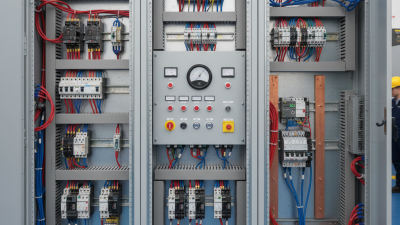
Automatic switches are essential devices that streamline electrical management in various settings. These devices work by automatically interrupting or redirecting current flow when specific conditions are met. When an overcurrent occurs, an automatic switch trips, protecting circuits from damage. This feature enhances safety and reduces maintenance needs, which can be a significant concern for operations.
Understanding how automatic switches function can aid in selecting the right devices. Different types exist, including circuit breakers and contactors. Each functions uniquely based on design and intended use. For instance, circuit breakers provide overcurrent protection, while contactors control larger electrical loads. It's crucial to choose the right type to fit specific operational requirements.
Despite their advantages, automatic switches are not without limitations. They may require calibration to ensure they respond accurately under various conditions. Improper installation can lead to failures or false tripping. Regular checks are necessary to maintain their reliability. Business owners must understand these challenges to maximize the benefits of automatic switches in their operations.
Advantages of Using Automatic Switches in Business Operations
Automatic switches are transforming business operations in various sectors. These devices enhance efficiency by automating processes, reducing human error. According to industry statistics, businesses using automatic switches can see a productivity increase of up to 30%. This transition promotes a streamlined workflow.
One significant advantage is the reduction in operational costs. Automatic switches minimize energy consumption by efficiently managing power distribution. A recent report indicated that companies could save nearly 25% on energy expenses by implementing these systems. This financial relief allows businesses to invest in other critical areas.
Tips for implementation: Start with a pilot program. Assess the functionality within a smaller segment of your operations. Monitor the results closely for potential improvements. Training staff is vital to ensure they embrace the change. Misunderstandings can lead to resistance, hindering your efforts. Regular feedback sessions can also provide insights into areas needing adjustment.
Key Features to Consider When Choosing Automatic Switches
When selecting automatic switches, several key features warrant consideration. Reliability stands out as a primary concern. According to a 2022 industry report, businesses lose up to 5% of revenue annually due to downtime caused by switch failures. Ensuring the switches meet strict reliability standards can mitigate this risk. Look for switches that have undergone rigorous testing, demonstrating their ability to perform under various conditions.
Another crucial aspect is ease of integration. Automatic switches should seamlessly connect with existing infrastructure. A survey conducted by tech consultants revealed that over 70% of companies experienced integration challenges. This can lead to increased costs and project delays. Prioritizing switches known for their user-friendly installation process can save time and resources.
Furthermore, consider the scalability of the switches. As businesses expand, their needs evolve. A 2023 market analysis highlighted that 60% of enterprises prefer solutions that can adapt to changing requirements. Automatic switches with customizable features can accommodate future growth, making them a smart choice. It's essential to reflect on possible future needs before making a decision.
Why Choose Automatic Switches for Your Business Needs? - Key Features to Consider When Choosing Automatic Switches
| Feature |
Description |
Benefits |
| Energy Efficiency |
Automatically adjusts to energy needs, reducing power consumption. |
Lower utility bills and reduced environmental impact. |
| User-Friendly Interface |
Intuitive controls for easy operation and installation. |
Faster setup and less training required for staff. |
| Durability |
Built with high-quality materials to withstand tough conditions. |
Longevity and reduced need for replacements. |
| Safety Features |
Includes overload protection and automatic shutdown capabilities. |
Enhanced safety for equipment and personnel. |
| Remote Monitoring |
Allows remote access to operational data and performance metrics. |
Better management and quick decision-making. |
Cost-Effectiveness: Automatic Switches vs. Manual Options
Automatic switches have become increasingly popular in modern businesses due to their cost-effectiveness. According to a market analysis by a leading industry group, businesses can reduce operational costs by 20-30% when switching from manual to automatic systems. This significant savings can be attributed to lower labor costs and increased efficiency. For many companies, this translates to enhanced productivity and better resource allocation.
Manual options often require extensive human oversight. They can lead to errors and inefficiencies. A report published by the International Electrotechnical Commission suggests that automation reduces errors by up to 50% in electrical systems. This is crucial for businesses that rely on precision and reliability. Investing in automatic switches can thus lead to fewer disruptions and more consistent performance.
Tip: Assess your current system’s performance. Look for patterns in downtime and errors. Understanding these factors is key to evaluating potential savings.
Additionally, automatic switches tend to have higher upfront costs, which can be a barrier for some businesses. However, it's essential to consider long-term savings. Organizations that adopt automatic switches often see a payback period of just two to three years. Reflect on whether your current manual system truly meets your operational needs. Balancing initial investments with future savings is vital for sustainable growth.
Tip: When budgeting, include potential future savings. This perspective can guide better financial decisions for your business.
Implementation and Maintenance of Automatic Switches in Your Business
Automatic switches are crucial for modern businesses. Their implementation can streamline operations and enhance safety. However, businesses must recognize the nuances of setting them up. A clear understanding of electrical specifications is essential. Each switch type serves different functions. Misunderstandings in requirements can lead to inefficiencies.
Maintenance is another critical aspect. Regular checks are vital to ensure switches function optimally. This might seem tedious, but it prevents larger issues. Monitoring performance helps identify wear and tear. Using a systematic approach aids in maintaining reliability. Documenting maintenance schedules can help track progress.
Ultimately, automatic switches offer benefits, but they come with challenges. Investing in training can enhance staff understanding. Continuous education ensures employees are aware of the latest technologies. A well-informed team can react promptly to issues. Implementing and maintaining automatic switches is a journey that requires ongoing commitment.






 Claire
 Mr.Fu
Mr.Fu

 Claire