Leave Your Message

What is Switchgear Panel and How Does it Work?

In the world of electrical engineering, the Switchgear Panel is a pivotal component. It serves as the heart of electrical distribution systems. Understanding its function can empower you to make informed decisions about your electrical needs.

A Switchgear Panel regulates electricity flow within a facility. It ensures safe operations and protects equipment from faults. Various designs exist, catering to different applications. Despite their importance, many overlook their complexities. A lack of knowledge can lead to inefficiencies and risks.

Recognizing the role of a Switchgear Panel enhances safety and reliability. Familiarity with its mechanics can help optimize performance. As technology evolves, so do the requirements for these panels. Staying informed enables you to adapt to new challenges in electrical systems.
What is Switchgear Panel and How Does it Work?

Definition of Switchgear Panel and Its Importance in Electrical Systems

What is Switchgear Panel and How Does it Work?

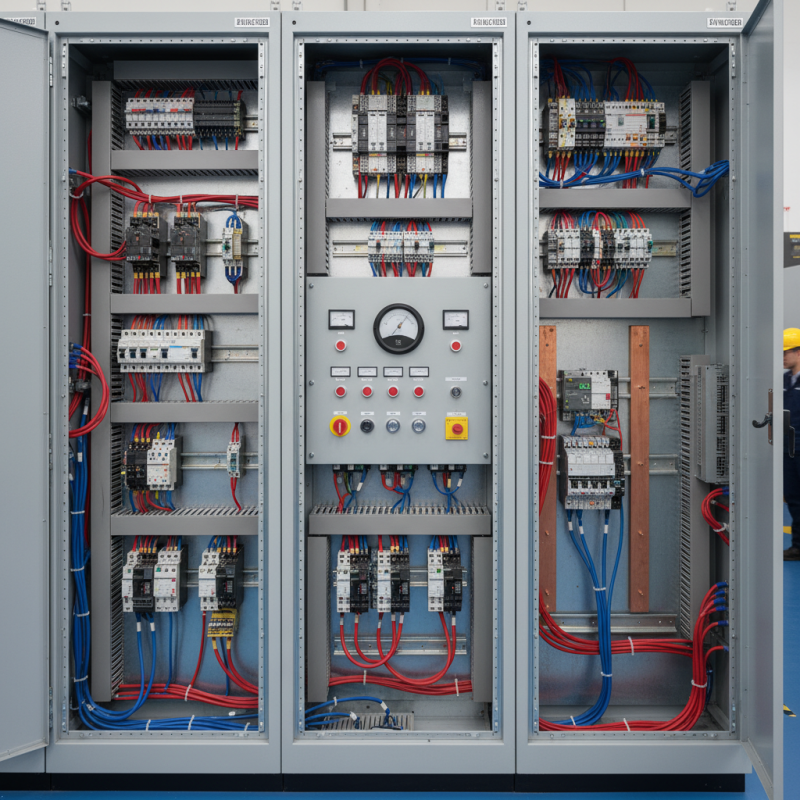
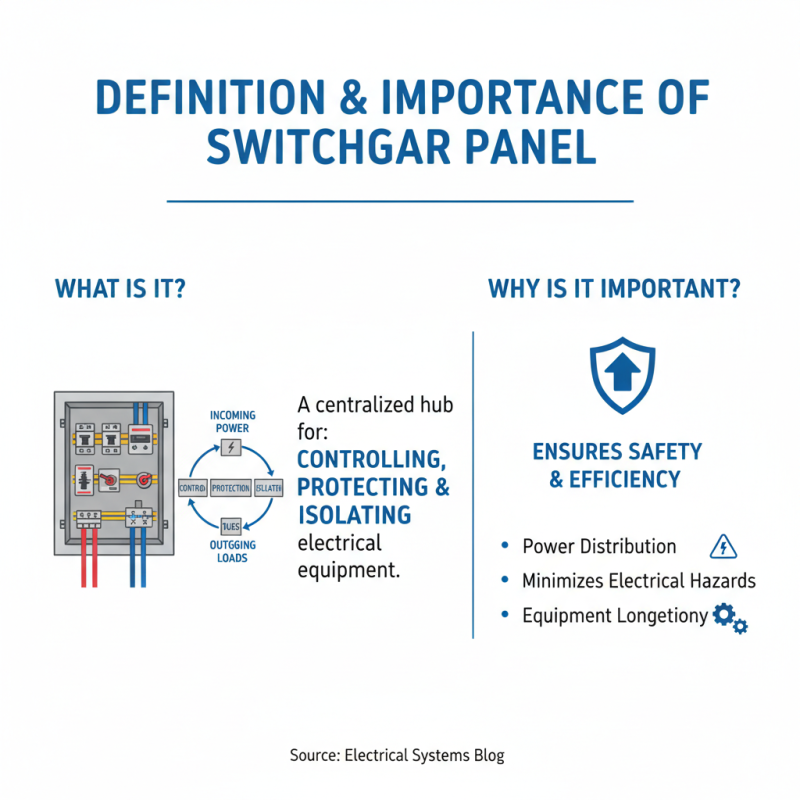
A switchgear panel is crucial in electrical systems. It acts as a centralized hub for controlling, protecting, and isolating electrical equipment. This ensures safety and efficiency in power distribution. Its presence minimizes risks of electrical hazards.

The importance of switchgear panels cannot be overstated. They house circuit breakers, relays, and fuses, which work together to manage electrical flow. These components help prevent overloads, short circuits, and other failures that can lead to significant damage. By maintaining proper functionality, switchgear panels enhance the reliability of power systems.

**Tip:** Regular maintenance checks are essential. Inspecting connections and components can prevent failures.

Moreover, understanding the workings of a switchgear panel helps in troubleshooting potential issues. Operators should be aware of common indicators of malfunction, such as unusual noises or flickering power. Staying informed equips users to handle problems promptly.

**Tip:** Document all inspections and repairs. This practice can aid in identifying recurring issues.

Components of a Switchgear Panel: Key Parts and Their Functions

A switchgear panel is crucial for electrical distribution systems. It helps in controlling, protecting, and isolating electrical equipment. Understanding its components can enhance your knowledge significantly.

One key part of a switchgear panel is the circuit breaker. This device interrupts current flow during faults. It protects equipment from damage and prevents electrical fires. Another essential component is the busbar. This piece conducts electricity and distributes power within the panel. Proper connection to the busbar is vital for efficient operation.

Transformers are also part of the setup. They reduce voltage levels, making it usable for various applications. Additionally, control panels provide monitoring and control functions. They display data, helping operators make informed decisions.

Tips: Regular maintenance of these components is essential. Check for any signs of wear and tear. Clean connections can prevent failures. Stay informed about safety protocols. Educating staff on emergency procedures is equally important. These measures can increase the reliability of your switchgear systems.

What is Switchgear Panel and How Does it Work? - Components of a Switchgear Panel: Key Parts and Their Functions

Component Function Description
Circuit Breaker Protection Detects faults and interrupts electrical current to prevent damage.
Relay Control Monitors electrical parameters and activates circuit breakers in fault conditions.
Busbars Conduction Conducts electricity between different components of the switchgear panel.
Isolator Disconnection Ensures that electrical circuits can be completely isolated for maintenance.
Fuse Overcurrent Protection Breaks the circuit if the current exceeds a safe level.
Control Panel Monitoring Provides operators with control and monitoring of the switchgear systems.
Transformer Voltage Adjustment Steps up or steps down voltage levels for different applications.

The Working Principle of Switchgear Panels: A Step-by-Step Guide

Switchgear panels are essential for controlling electrical power systems. They ensure safe operation and protection from faults. The working principle involves managing electrical circuits. These panels utilize various components like circuit breakers, relays, and switches. Together, they handle voltage levels and isolate equipment when necessary.

During operation, current flows through the switchgear panel. If a fault occurs, the circuit breaker detects this anomaly. It quickly disconnects the affected circuit to prevent damage. This quick response is vital in maintaining system integrity. Reports indicate that improper maintenance can lead to a significant increase in equipment failure rates, sometimes by as much as 30%. Regular inspections are necessary to ensure reliable functioning.

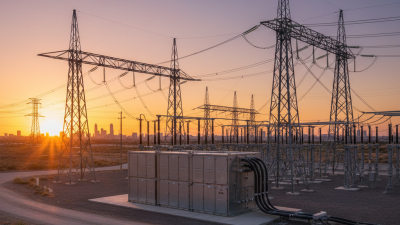
Switchgear panels play a critical role in power distribution. They can be found in substations, industrial plants, and commercial buildings. With the growing demand for electricity, the switchgear market is expected to reach $90 billion by 2030. However, many facilities struggle with outdated systems. This not only poses safety risks but also impacts operational efficiency. Continuous innovation and regular updating of technology are crucial for meeting current energy demands.

Types of Switchgear Panels: An Overview of Different Variants

What is Switchgear Panel and How Does it Work?

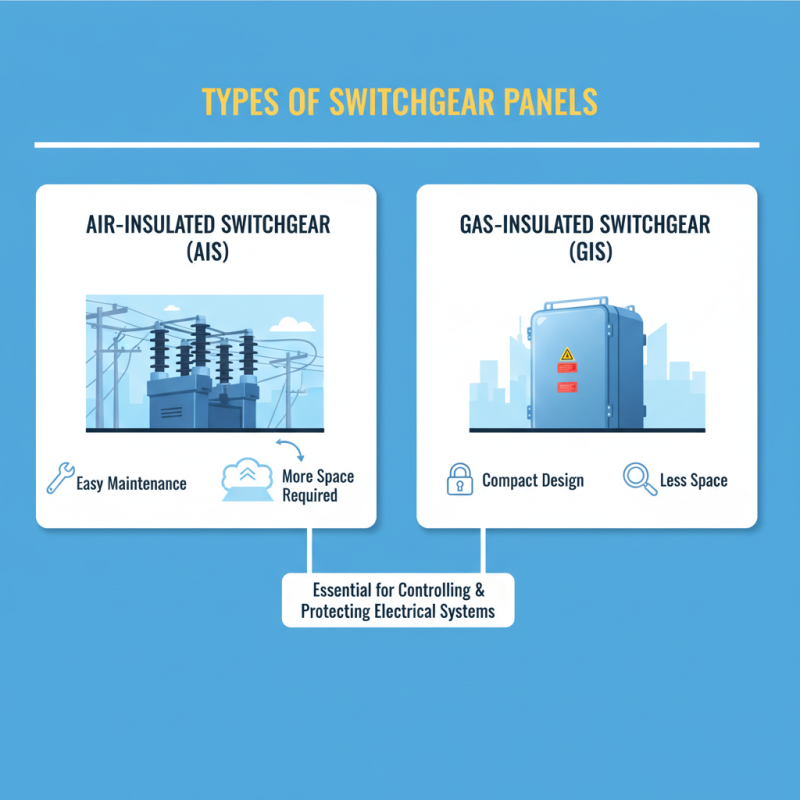
Switchgear panels are essential components for controlling and protecting electrical systems. Various types exist, each designed for specific applications. The key types include air-insulated switchgear (AIS) and gas-insulated switchgear (GIS). AIS is often used in outdoor settings and is known for its straightforward design. It operates in open air, making maintenance relatively easy. However, it requires more space, which can be a downside in urban areas.

On the other hand, GIS is compact and more suitable for confined spaces. These panels are sealed in a gas-filled chamber, offering high reliability and resistance to harsh environments. The design requires careful engineering, and maintenance can be challenging. Each type of switchgear panel has advantages and limitations. Choosing the right one depends on the specific needs of the site.

Other variants include hybrid switchgear, which combines features from both AIS and GIS. This flexibility can enhance performance but may also lead to higher costs. Understanding these differences can aid in making informed decisions. It’s crucial to reflect on the specific requirements, as a mismatch can lead to inefficiencies or require future adjustments.

Applications of Switchgear Panels in Various Industries and Settings

Switchgear panels play a crucial role in various industries. They are essential for controlling and protecting electrical equipment. These panels are used in power generation plants, manufacturing facilities, and even commercial buildings. They ensure the safe distribution of electricity. This is vital for preventing faults and maintaining operational efficiency.

In the energy sector, switchgear panels manage power flow effectively. They allow for quick isolation during faults. This minimizes downtime and prevents equipment damage. In manufacturing, these panels facilitate machinery operations. They help integrate automation systems seamlessly. Hospitals and data centers rely on them to ensure constant power supply. The reliability of switchgear panels influences overall productivity.

However, there are challenges. Not all installations are straightforward. Space constraints can complicate setup. Regular maintenance is essential to prevent issues. Without it, panels may fail, leading to outages. Proper training for operators is often overlooked. Industry standards must be met to ensure safety and performance. There’s a continuous need for improvement in design and technology.