Why Choose Gas Insulated Switchgear for Your Power Grid Needs?
In today's evolving energy landscape, the demand for reliable power solutions is paramount. Gas Insulated Switchgear (GIS) emerges as a leading choice for utilities. According to a report from the International Energy Agency, investment in high-efficiency electrical infrastructure is projected to increase by 30% in the next five years. GIS, with its compact design, offers significant space savings compared to traditional air-insulated switchgear.
The operational efficiency of GIS is another appealing attribute. Research indicates that GIS can reduce maintenance needs by up to 50%. These systems are designed to withstand harsh environments, ensuring long-term reliability. However, the initial cost of GIS can be higher. This requires careful consideration of long-term benefits versus upfront investments.
Furthermore, GIS contributes to sustainability goals. They are often used in urban areas where space is limited. In environments facing climate challenges, GIS systems are less prone to failures compared to conventional setups. Overall, the decision to choose Gas Insulated Switchgear reflects a commitment to innovation and reliability in the power grid sector.

Understanding Gas Insulated Switchgear (GIS) and Its Components
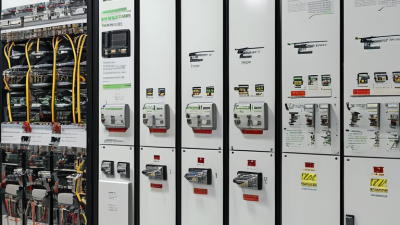
Gas Insulated Switchgear (GIS) represents a significant evolution in electrical distribution technology. Unlike traditional air-insulated switchgear, GIS employs inert gases, primarily sulfur hexafluoride, to insulate and protect its components. This technology reduces the space required for substations while enhancing safety and reliability. By sealing the components within a compact metal enclosure, GIS minimizes maintenance needs and extends the lifecycle of the equipment.
The main components of GIS include circuit breakers, disconnectors, and surge arresters. These elements work together seamlessly to ensure efficient power management. Circuit breakers operate to interrupt fault currents swiftly, while disconnectors ensure safe isolation during maintenance. This integration of parts leads to improved performance in high-voltage applications. However, the gas used within GIS poses concerns regarding its environmental impact, raising questions about sustainability.
Despite these challenges, the advantages of GIS are compelling. They perform excellently in urban settings where space is limited. They can withstand extreme weather conditions, ensuring reliability in diverse environments. While GIS systems come with higher initial costs, their longevity and reduced operational expenses often justify the investment. Exploring options in GIS highlights the balance between innovation and environmental responsibility in modern power grid solutions.
Advantages of Gas Insulated Switchgear Over Conventional Systems
Gas insulated switchgear (GIS) offers distinct advantages over conventional air-insulated systems. One significant benefit is the compact design. GIS units occupy less space, making them ideal for urban environments where land is limited. This feature reduces construction costs. Additionally, GIS is less susceptible to environmental factors. It operates effectively in harsh weather conditions, ensuring consistent performance.
Safety is another critical aspect. Gas insulated switchgear minimizes the risk of electrical arcing and flashover. This enhances the overall safety of power distribution. Furthermore, GIS requires less maintenance than traditional systems. The sealed environment protects critical components from dust and moisture, which can lead to failures. This reliability is a significant factor for utilities and industries.
However, the initial investment in GIS can be high. Organizations must weigh costs against long-term benefits. The technology is sophisticated, requiring skilled personnel for installation and upkeep. As power demands grow, careful consideration of these factors is essential. GIS may be the solution for future-ready power grids. Yet, organizations must analyze their unique needs before adopting this technology.
Applications of Gas Insulated Switchgear in Modern Power Grids
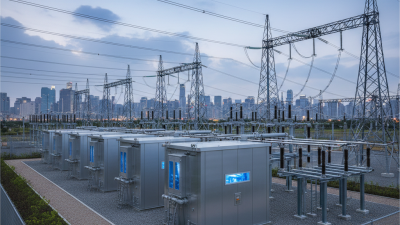
Gas insulated switchgear (GIS) has become an essential component in modern power grids. Its compact design allows for efficient use of space, making it ideal for urban environments. In high-density areas, where land is at a premium, deploying GIS can significantly enhance power distribution systems. This technology excels in high-voltage applications, offering superior reliability and reduced maintenance costs.
The applications of GIS extend beyond urban settings. They are commonly found in renewable energy sectors, such as wind and solar power. GIS is pivotal in integrating these energy sources into the grid. Its ability to handle fluctuations in power supply aligns perfectly with the demands of renewable energy. Organizations utilizing GIS can enhance operational efficiency and improve energy management.
When considering GIS installation, there are key factors to reflect on. Assess the space constraints and environmental conditions where the equipment will be operational. This service may require specialized training for your team, as GIS technology can be intricate. Ensure your team is well-prepared to handle such advanced systems. Understanding these aspects will lead to more informed decisions and a smoother integration process.
Key Factors to Consider When Selecting GIS for Power Solutions
When selecting gas insulated switchgear (GIS) for power solutions, various key factors come into play. The compact design of GIS allows for efficient space utilization. This is crucial, especially in urban areas where land is limited. According to industry reports, GIS can save up to 50% in physical space compared to traditional air-insulated switchgear. This aspect alone can significantly reduce the costs associated with land acquisition and maintenance.
Reliability is another important factor. GIS is known for its enhanced performance in harsh environments. The enclosed system minimizes exposure to external elements, which often leads to fewer failures. Studies show that GIS can operate with a reliability rate of over 99%, far surpassing that of traditional systems. However, maintenance practices can sometimes be overlooked. Many facilities may underestimate the importance of routine checks.
Cost-effectiveness is a critical consideration. Although the initial investment in GIS technology may be higher, the long-term savings in operation and maintenance can offset these costs. Research indicates that GIS systems can reduce lifecycle costs by up to 30%. Nonetheless, decision-makers should critically evaluate their specific needs. Customization options are available but can complicate the decision-making process. It’s essential to weigh all these factors to make an informed choice.
Future Trends and Innovations in Gas Insulated Switchgear Technology
Gas Insulated Switchgear (GIS) is transforming the landscape of electrical distribution and substations. Innovations in GIS technology are driving the future of power grids. According to a report from MarketsandMarkets, the GIS market is expected to grow from USD 20.2 billion in 2020 to USD 30.5 billion by 2025, at a CAGR of 8.5%. This growth highlights the increasing demand for reliable and efficient systems.
Ongoing advancements aim to enhance switchgear performance. The integration of digital technologies, like IoT, enables real-time monitoring and predictive maintenance. This proactive approach boosts reliability and minimizes downtime. However, the complexity of these technologies requires skilled personnel for effective implementation. Ensuring adequate training is a critical challenge.
Many utilities are exploring hybrid solutions, combining traditional and gas-insulated systems. This strategy allows for gradual transitions to innovative technologies while balancing cost and reliability. Operators must assess the life cycle of their equipment and the long-term benefits of upgrades. Striking the right balance can lead to significant operational improvements.








 Claire
 Mr.Fu
Mr.Fu

 Claire