Best Rmu Circuit Breaker Options for Global Buyers?
In the evolving landscape of energy distribution, choosing the right RMU circuit breaker remains crucial for companies worldwide. Experts in the field stress the importance of effective selection. "A reliable RMU circuit breaker is essential for ensuring safety and efficiency in power networks," says John Smith, a leading engineer specializing in electrical systems.
Global buyers face challenges in identifying the best options. The market is flooded with various products, each claiming unique advantages. Buyers must consider factors such as reliability, maintenance needs, and compatibility with existing systems. Delving into specifications and comparing performance metrics can be daunting.
Moreover, many companies overlook crucial details. Not all RMU circuit breakers are created equal; some may not perform well under specific conditions. This uncertainty can lead to costly errors and increased downtime. Understanding these dynamics can aid organizations in making informed choices, ensuring their investment pays off in the long run.
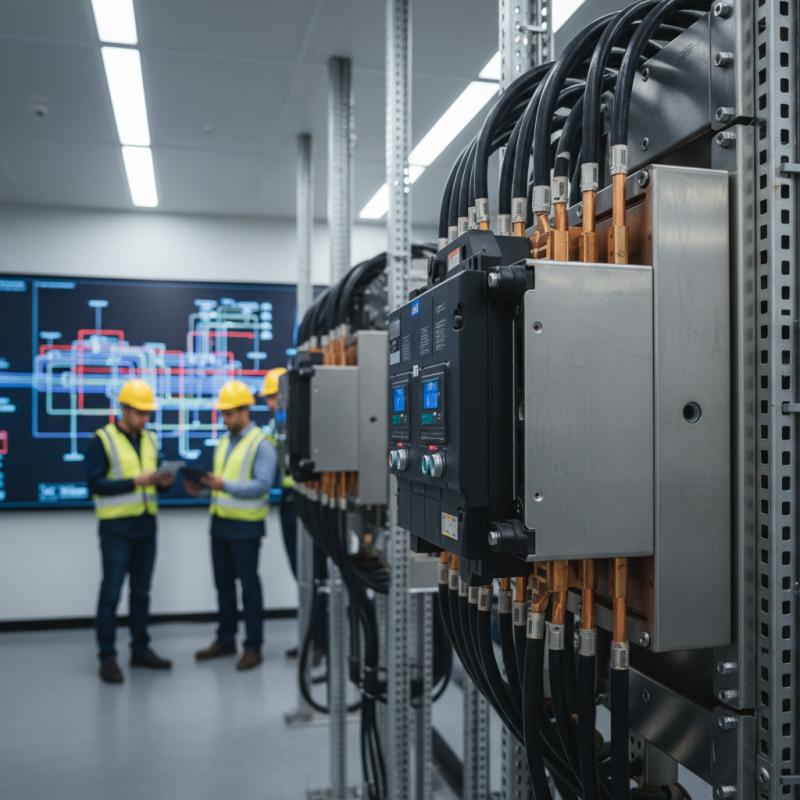
Overview of RMU Circuit Breakers and Their Importance in Electrical Systems
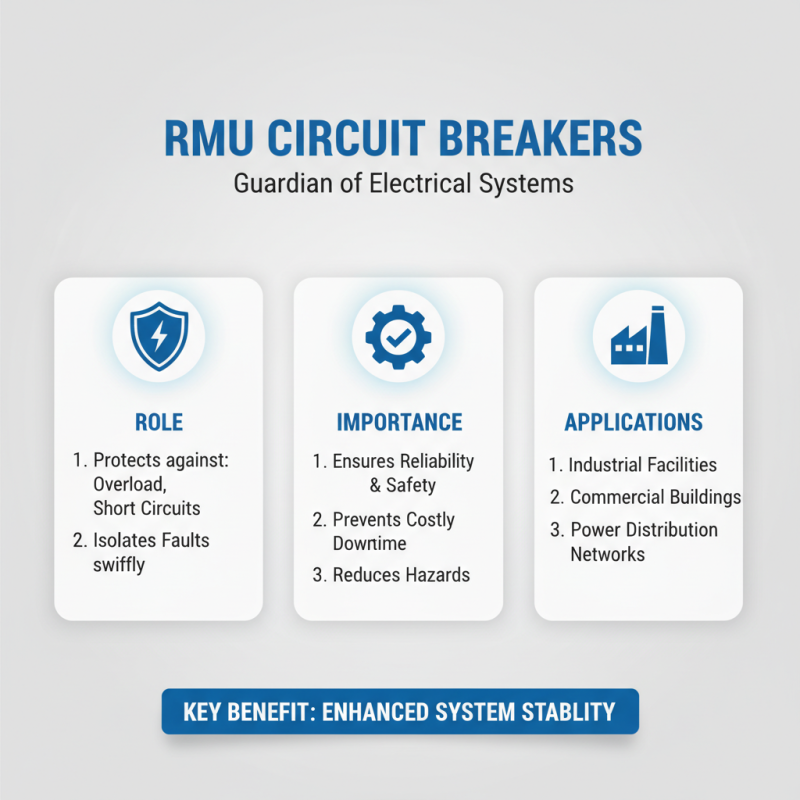
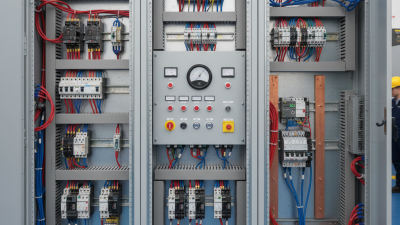
RMU circuit breakers play a crucial role in ensuring the reliability and safety of electrical systems. These devices protect electrical networks from overload, short circuits, and other potential hazards. Their ability to isolate faults swiftly contributes to system stability. In industrial and commercial settings, the importance of this protection cannot be overstated. Without RMU circuit breakers, electrical failures could lead to costly downtimes and dangerous situations.
Understanding the key features of RMU circuit breakers is essential. They often include mechanisms for remote operation and monitoring. This increases efficiency and allows for rapid response to any issues. However, not all RMU circuit breakers are created equal. Some may lack the necessary certifications or fail to meet stringent safety standards. Buyers need to research and select reliable options. The complexity of electrical systems also leads to occasional doubts about adequate protection. Reflecting on these aspects can help buyers choose wisely.
Key Features to Consider When Selecting RMU Circuit Breakers
When selecting RMU circuit breakers, key features play a crucial role in ensuring reliability and safety. One important aspect to consider is the breaking capacity. This indicates the maximum fault current that the circuit breaker can interrupt. An adequate breaking capacity is essential for effective protection against overcurrents. Buyers should choose breakers that meet specific voltage and current ratings for their applications.
Another critical factor is the insulation level. High insulation levels ensure that circuit breakers can withstand transient voltages and maintain safe operation. This is vital for infrastructure in areas prone to electrical disturbances. Additionally, the operational mechanism, whether it’s manual or automatic, can influence efficiency. Automatic mechanisms enhance safety but may require more maintenance.
Lastly, buyers should reflect on the durability and environmental factors. RMU circuit breakers often operate in outdoor conditions. Weather-resistant features can enhance longevity. The materials used in construction also matter; they should withstand corrosion and mechanical stress. While these features are essential, it’s crucial to consider the overall compatibility with existing systems. Integrating new equipment should not compromise safety or efficiency.
Top Brands and Manufacturers of RMU Circuit Breakers for Global Buyers
In the world of electrical distribution, RMU circuit breakers play a vital role. They protect against short circuits and overloads. Choosing the right manufacturer is crucial for performance and reliability. Buyers often face challenges due to the wide variety of options.
Top brands in the RMU circuit breaker market focus on innovation and quality. They invest heavily in research and design. This commitment results in products that meet global safety standards. Many features differentiate these brands, such as advanced monitoring systems and responsive tripping mechanisms.
Tips: When selecting a circuit breaker, consider the operating environment. Harsh conditions require robust designs. Also, review the warranty and service options available. Good customer support is essential for long-term satisfaction. Collaborating with a knowledgeable supplier can also help streamline your decision-making process. Always stay informed about new technologies to ensure optimal safety and efficiency.
Comparative Analysis of Pricing and Performance of RMU Circuit Breakers
When evaluating RMU circuit breakers, performance and pricing are crucial. A thorough comparative analysis reveals significant diversity among options. Factors like construction quality and electrical efficiency play a pivotal role in determining both performance and cost. While some circuit breakers may offer exceptional protection features, they might also come with a hefty price tag, which may not always align with budget constraints.
Tips: Consider the long-term operational cost when selecting RMU circuit breakers. A cheaper upfront option may lead to higher maintenance expenses in the long run. Always evaluate warranties and support options, as these can affect reliability.
The pricing landscape for RMU circuit breakers varies widely. Higher prices do not always guarantee superior performance. Some budget-friendly options may surprise you with their efficiency and reliability. Conversely, high-priced models may have features that go underutilized. Customers should weigh features against their actual needs. Understanding the market can lead to better decisions and potentially lower costs.
Tips: Conduct a market survey to compare features and prices. Engaging with industry professionals can also provide insights that might be overlooked. Remember, the best choice often balances quality and cost while catering to specific requirements.
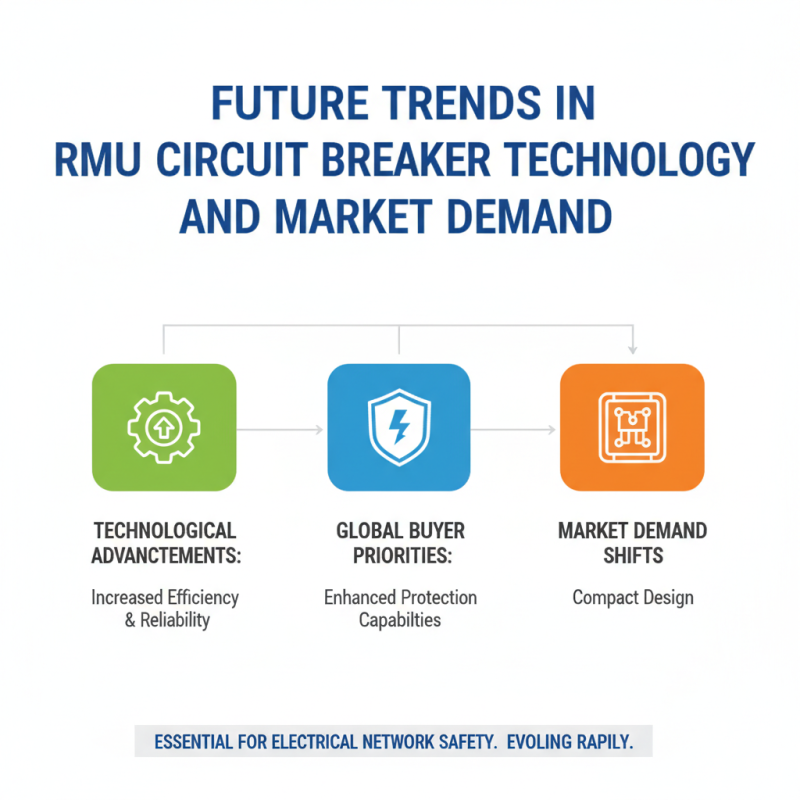
Future Trends in RMU Circuit Breaker Technology and Market Demand
The demand for RMU circuit breakers is evolving rapidly. Technology is advancing, pushing the boundaries of efficiency and reliability. These devices are essential for ensuring safety in electrical networks. As global buyers seek solutions, they prioritize features such as compact design and improved protection capabilities.
Future trends indicate a shift towards smart technology integration in RMU circuit breakers. Manufacturers are incorporating IoT features. This allows remote monitoring and control, which enhances operational efficiency. However, with innovation comes complexity. There may be a learning curve for users. As circuits become more sophisticated, maintenance and troubleshooting may require specialized skills.
Sustainability is becoming a key focus. Eco-friendly materials and energy-efficient designs are gaining traction. This shift not only meets regulatory standards but also aligns with corporate responsibility goals. While the market is evolving, some buyers may hesitate to adapt. Traditional users might struggle with the transition to more advanced solutions. Balancing innovation with user-friendly designs remains a challenge.








 Claire
 Mr.Fu
Mr.Fu

 Claire