What is Automatic Switches and How Do They Work?
Automatic switches play a crucial role in modern electrical systems. These devices automatically control the flow of electricity and enhance safety and efficiency. They can detect faults and break electrical circuits instantly. This capability is essential for protecting both equipment and users.
Understanding how automatic switches work involves exploring their various types. From circuit breakers to relays, each type serves a unique function. Some are designed for specific applications, while others are more versatile. Their operational mechanisms can be intricate, yet essential to our daily lives.
Despite their advantages, automatic switches have limitations. They may fail under extreme conditions or improper installation. Proper maintenance is vital for reliable performance. Users should regularly inspect and test these devices to ensure optimal operation. Awareness of their functionality and maintenance needs can prevent potential issues.
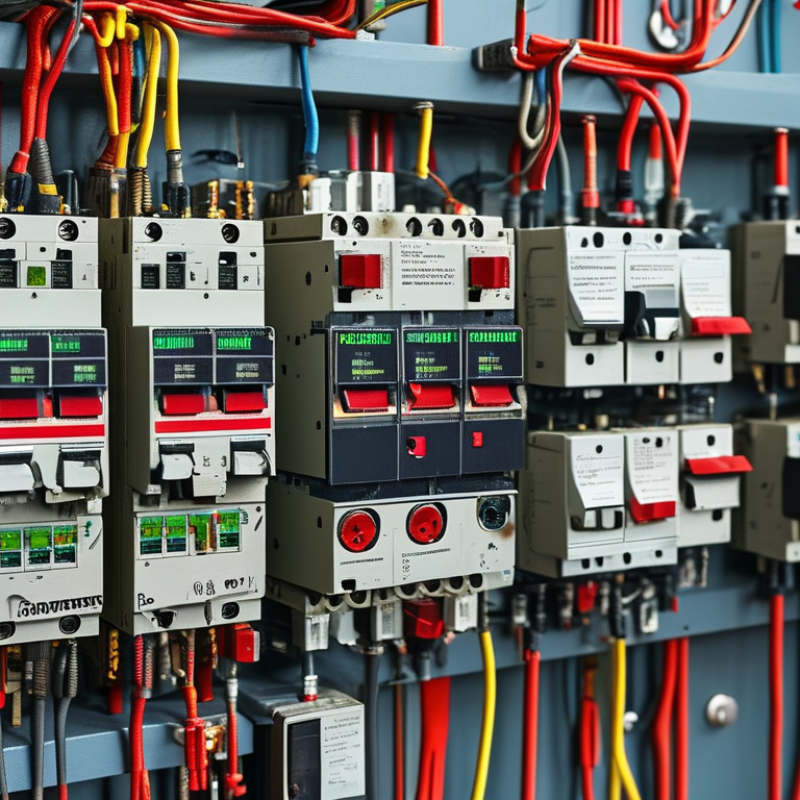
What Are Automatic Switches? An Overview of Their Functionality
Automatic switches are devices designed to manage the flow of electricity in a circuit. Their primary function is simple yet crucial. They detect changes in the electrical supply and respond by either opening or closing a circuit. This automatic action helps prevent overloads and ensures safety in various applications.
The operation of these switches can vary. Some rely on mechanical components, while others use electronic sensors. Mechanical types may include bimetallic strips that bend with temperature changes. Conversely, electronic switches often utilize semiconductor materials for quicker responses. Despite their effectiveness, they can sometimes fail. Regular maintenance is essential to ensure accurate functioning. Users should check connections and test their response time to prevent unexpected malfunctions.
Understanding automatic switches also involves recognizing their limitations. They may not react instantly to all changes. In some scenarios, a slight delay could lead to issues. Additionally, incorrect installation can lead to failure and safety hazards. It’s essential to follow guidelines when integrating these switches into any system. Through proper understanding and application, the benefits of automatic switches can significantly enhance electrical systems.
What is Automatic Switches and How Do They Work? - Overview of Their Functionality
| Parameter |
Description |
Functionality |
| Type |
Electromechanical |
Uses mechanical movement to switch circuits. |
| Operating Voltage |
110/220V AC |
Designed to operate at standard household voltages. |
| Current Rating |
10-30A |
Can handle various loads depending on the model. |
| Control Type |
Manual and Automatic |
Can be controlled manually or via automatic sensors. |
| Common Applications |
Lighting, HVAC, Industrial Equipment |
Used widely in various sectors for efficient operation. |
| Safety Features |
Overload Protection, Surge Protection |
Ensures safe operation and prevents damage. |
| Switching Mechanism |
Relay or Solid State |
Determines the speed and reliability of switching. |
Types of Automatic Switches: Relays, Circuit Breakers, and More
Automatic switches play a crucial role in modern electrical systems. They ensure safety and efficiency across various applications. Among the most common types are relays and circuit breakers. Each has distinct functions that suit specific needs.
Relays are electromagnetic switches. They control one circuit through another. They are widely used in control systems. Reports show that the global relay market is expected to grow at a CAGR of 6% from 2023 to 2030. Their design can be simple or complex, and choice depends on the application. However, relays aren’t always foolproof. They can fail or malfunction, leading to operational issues.
Circuit breakers provide overcurrent protection. They automatically cut off power when there is a fault. According to industry statistics, circuit breakers are expected to reach a market size of $12.4 billion by 2027. They prevent potential fire hazards. Yet, they require regular maintenance to function correctly. Many facilities overlook this, risking their safety. By understanding these automatic switches, professionals can better design safe electrical systems.
How Automatic Switches Operate: Mechanisms and Control Systems
Automatic switches are crucial in modern electrical systems. They enable automatic control of circuits, ensuring devices operate efficiently and safely. The operation of these switches involves several mechanisms designed for reliability and precision.
The core of automatic switches lies in their control systems. Sensors detect changes in environmental conditions or user inputs. These sensors may monitor voltage levels, temperature, or even motion. For instance, a temperature sensor activates a switch to turn on cooling systems when the heat exceeds a set threshold. This immediate response helps prevent overheating and system failure.
One area needing reflection is the calibration of sensors. If not correctly calibrated, they might trigger switches unnecessarily. For example, a faulty sensor could activate a heating system when it is already hot, wasting energy. Regular maintenance and updates of control systems are necessary. We must ask how often such systems are checked to avoid inefficiency. By improving these mechanisms, automatic switches can enhance their accuracy and reliability in various applications.
Key Applications of Automatic Switches in Various Industries
Automatic switches play a crucial role in various industries, enhancing efficiency and safety. In manufacturing, they control machinery operations, helping reduce human error. For example, they can automatically turn off equipment when not in use, conserving energy and preventing accidents. This feature not only saves costs but also increases equipment lifespan.
In the automotive sector, automatic switches are essential for improving vehicle safety. They manage systems like airbags and anti-lock brakes. When a crash occurs, these switches actuate important safety features quickly. This rapid response can make a significant difference in protecting lives.
Healthcare also benefits from automatic switches. In medical devices, they regulate functions like doses in infusion pumps. These switches ensure accurate medication delivery, vital for patient care. However, concerns around malfunctions remain. Regular checks and maintenance are necessary to minimize risks. Each industry must continuously evaluate switch reliability to maintain trust.
Benefits and Limitations of Using Automatic Switches in Electrical Systems
Automatic switches play a crucial role in modern electrical systems. They enhance safety and efficiency by automatically controlling the flow of electricity. However, their benefits co-exist with limitations.
One significant benefit of automatic switches is the reduction in human error. These devices can respond more quickly than a person. They improve safety by instantly disconnecting power during faults. An automatic switch can prevent equipment damage and potential hazards. Yet, reliance on technology can lead to complacency. Training personnel to understand these systems is essential.
Another advantage is energy efficiency. Automatic switches optimize power usage by controlling devices based on demand. They can reduce energy waste, leading to lower bills. However, if not regularly maintained, these switches can fail. Regular inspections are critical to ensure reliability.
Tips: Consider the environment when installing automatic switches. Choose locations with minimal dust and moisture. Keep an eye on the system's performance and address any signs of malfunction promptly. Understanding both benefits and limitations will help you make informed decisions about your electrical system.








 Claire
 Mr.Fu
Mr.Fu

 Claire