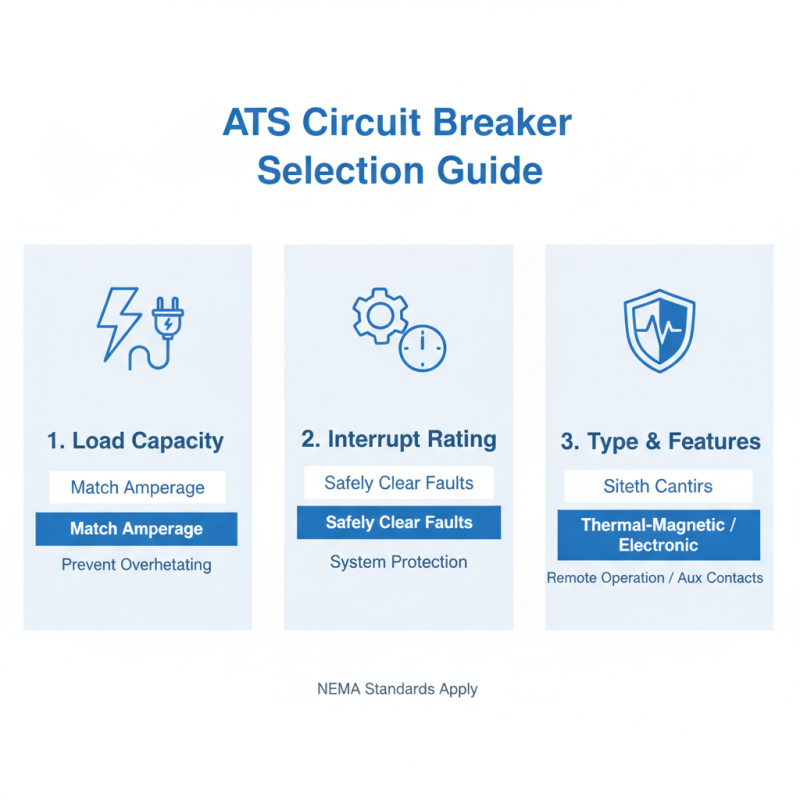
Ats Circuit Breaker How to Choose the Right One for Your Needs?
Choosing the right ATS circuit breaker is crucial for safety and efficiency. According to John Smith, a leading electrical engineer and expert in circuit protection, "The right ATS circuit breaker can prevent costly failures and ensure operational reliability." Many industries rely on automatic transfer switches to manage power distribution effectively.
Selecting the appropriate ATS circuit breaker requires careful consideration. You must factor in your specific electrical needs, including voltage and load requirements. Each setting demands different specifications, and one size does not fit all. Many users overlook this aspect, leading to potential hazards and inefficiencies.
When in doubt, consult professionals. Their insights can guide you in making an informed choice. Remember, the right ATS circuit breaker not only enhances performance but also enhances safety. Make sure to evaluate your options thoroughly.
Understanding ATS Circuit Breakers: Definition and Purpose
ATS circuit breakers are essential components in electrical systems. They ensure a reliable power supply by automatically switching between different power sources. Understanding their definition and purpose is crucial when selecting the right one for your needs.
An ATS circuit breaker functions during power outages. It detects when the main power fails and instantly switches to a backup supply. This seamless transition prevents downtime in critical situations. Knowing the specifications of the ATS circuit breaker is vital. Factors include voltage ratings, load capacity, and response times. Each situation may require different attributes.
Selecting the correct ATS circuit breaker can be challenging. It requires a deep understanding of your specific requirements. Mistakes can lead to power interruptions or even equipment damage. Professionals often highlight the importance of proper sizing and installation. Balancing cost and quality is another aspect to consider. Sometimes, opting for the cheapest solution can result in long-term issues.
Ats Circuit Breaker Selection: Key Considerations
This bar chart represents the key considerations when selecting an ATS circuit breaker, with ratings based on importance: Current Rating (A), Voltage Rating (V), Number of Poles, and Tripping Characteristics.
Types of ATS Circuit Breakers: A Comprehensive Overview
When choosing an ATS circuit breaker, it’s essential to understand the various types available.
Common types include electro-mechanical, solid-state,
and hybrid breakers. Each type offers distinct advantages suitable for different applications.
For example, electro-mechanical breakers are often favored for their reliability and quick response times.
On the other hand, solid-state breakers excel in precision and automation. According to a report by the
International Electrotechnical Commission, about 25% of circuit breaker failures
are attributed to selection errors.
The operational environment greatly influences the choice of an ATS circuit breaker. For instance, harsh conditions such as
temperature fluctuations and dust exposure
can compromise performance. Many engineers overlook specific environmental factors, leading to diminished circuit reliability.
Detailed data from the IEEE Power and Energy Society indicates that 40% of
electrical systems may operate under inappropriate breaker specifications.
This emphasizes the necessity of matching the breaker to environmental conditions to ensure sustained performance and safety.
Lastly, it’s important to consider their ratings. Breaker ratings encompass voltage,
current, and interrupting capacity. A mismatch here
can result in significant failures. The National Electrical Manufacturers Association outlines that improper
ratings lead to 15% of electrical outages. Understanding these complexities is crucial.
Making an informed decision can prevent long-term operational issues.
Assessing Electrical Load Requirements for ATS Circuit Breakers
Selecting the right ATS circuit breaker starts with understanding your electrical load requirements. Analyzing your specific needs is crucial. According to industry reports, a typical commercial facility might require between 100 to 200 amperes, while larger industrial setups may demand upwards of 400 amperes. Each system has unique demands, so accurate measurements are vital.
When assessing load requirements, consider all connected equipment. Motors, lighting, and HVAC systems can fluctuate in power consumption. A detailed load analysis ensures you avoid overloading your circuit breakers. Typically, a safety margin of 20% is advisable. This prevents potential failures due to unexpected spikes in demand.
**Tip:** Regularly monitor your equipment’s performance. Sudden changes may indicate that your circuit breaker is not adequately sized.
Installation conditions matter as well. Environmental factors like temperature and humidity impact circuit breaker performance. In high-temperature areas, choose a breaker with a higher rating to avoid tripping. Not all breakers are created equal; different materials and designs serve various environments.
**Tip:** Consult with a professional to assess your unique situation. They can provide insights on local codes and standards that may affect your choice. This step ensures your system is both efficient and compliant.
Installation and Maintenance Tips for Optimal ATS Circuit Breaker Performance
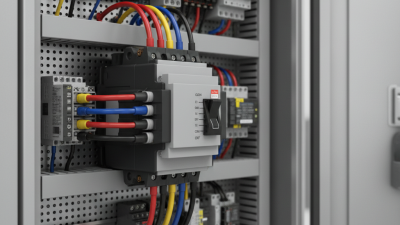
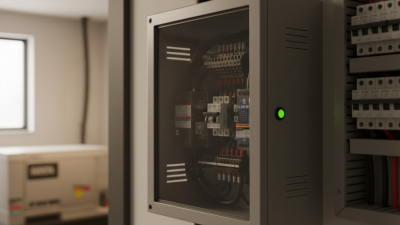
When selecting an ATS circuit breaker, focusing on installation and maintenance is crucial. Proper installation ensures that the circuit breaker functions effectively. Make sure to install it in a location protected from moisture and extreme temperatures. Check the wiring connections carefully to avoid overheating.
Routine maintenance is essential for optimal performance. Regularly inspect the circuit breaker for signs of wear. Dust and debris can hinder its operation. Clean the breaker gently with a soft cloth. This helps maintain efficiency and prolongs lifespan.
Monitoring the system is important as well. Look for unexpected tripping, which may indicate underlying issues. Keep a log of any maintenance performed. This practice can help identify patterns and potential problems early. Always consult a professional if you feel unsure about your circuit breaker's condition.










 Claire
 Mr.Fu
Mr.Fu

 Claire