2026 Top Outdoor Substations Trends for Global Buyers?
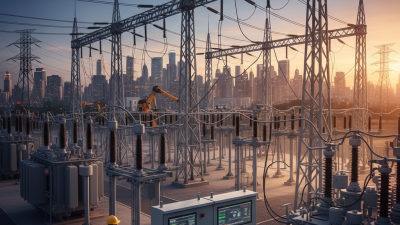
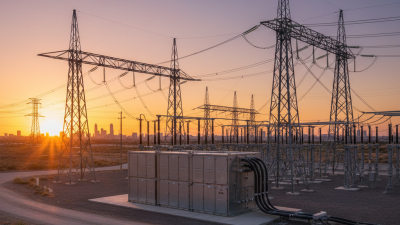
As we approach 2026, the demand for Outdoor Substations continues to grow globally. These installations play a critical role in energy distribution, ensuring reliability and efficiency. With advancements in technology, the design and functionality of these substations are evolving swiftly.
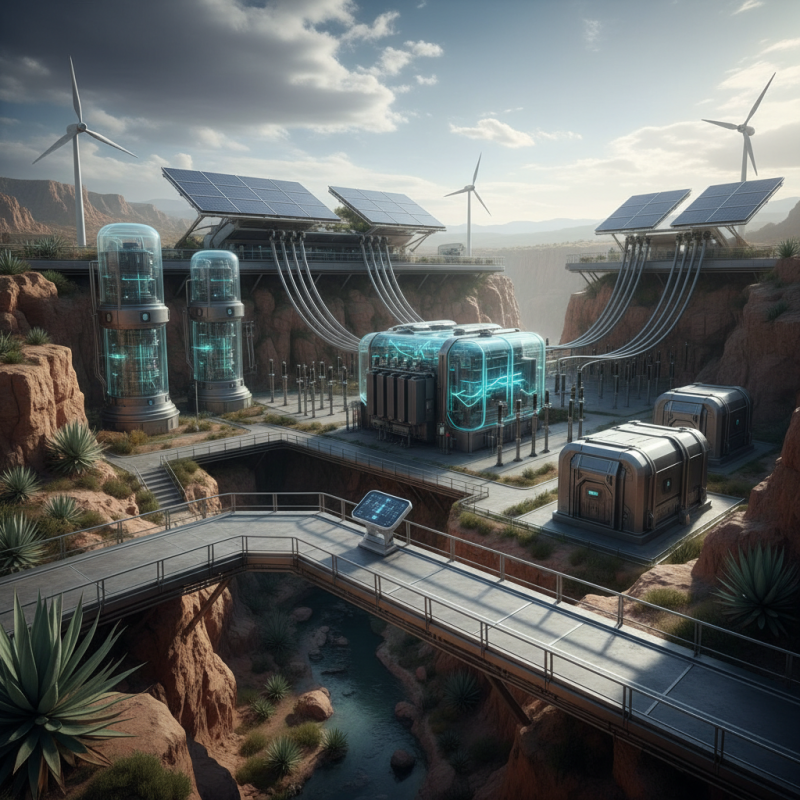
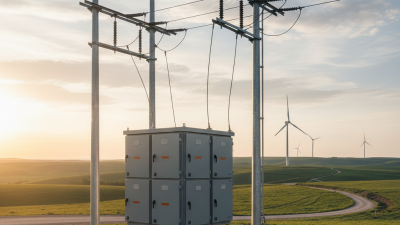
New trends focus on sustainability and resilience. Outdoor Substations are now incorporating renewable energy sources. Advanced monitoring systems enhance performance and reduce downtime. Increased attention to climate adaptability is essential. Many buyers are looking for substations that withstand extreme weather changes.
However, challenges persist. Balancing innovation and cost-effectiveness is vital for buyers. Navigating regulatory hurdles can be complex. Understanding local requirements remains essential. Global buyers must stay informed about the latest developments in Outdoor Substations. This landscape is continually shifting, making awareness crucial for informed decisions.
Top Trends in Outdoor Substation Design for 2026
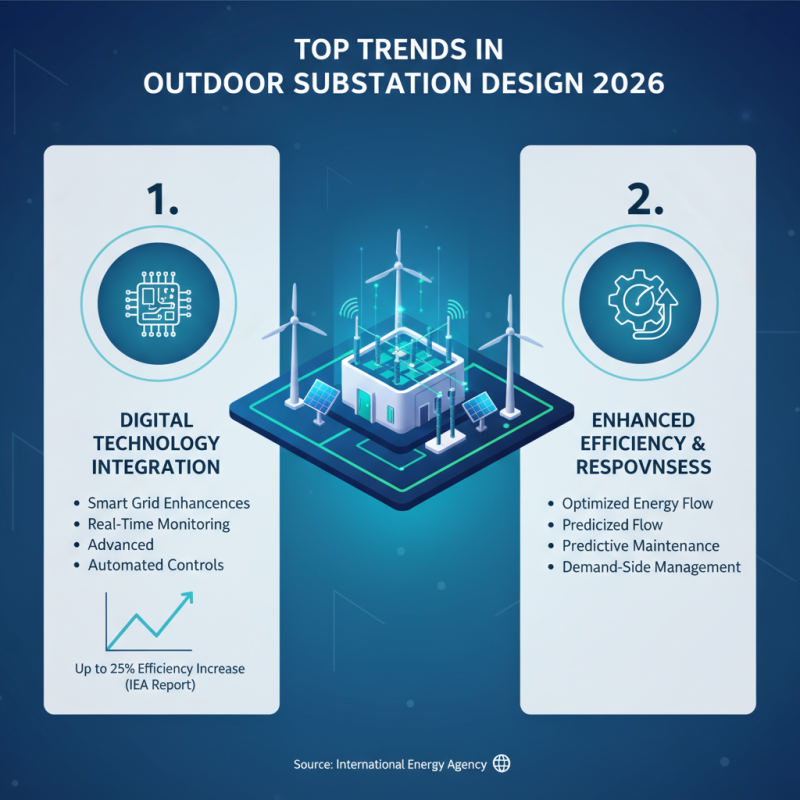
As the demand for energy continues to rise, outdoor substations are evolving significantly. In 2026, we will see several notable trends in their design and implementation. The integration of digital technology is crucial. A report by the International Energy Agency highlights that smart grid enhancements can increase efficiency by up to 25%. This trend leads to real-time monitoring and advanced automated controls, making substations more responsive to energy demands.
Sustainability is another key focus. Environmental concerns drive the adoption of green technologies. According to recent research, substations equipped with renewable energy sources can reduce carbon footprints by 30%. The use of eco-friendly materials will likely rise as regulations tighten. There’s a push to implement designs that blend with natural surroundings, considering community impacts. However, challenges remain in balancing aesthetics and functionality.
Moreover, modular designs are gaining traction. They allow for quicker deployments and easier expansions. A study indicates that modular substations can reduce construction time by 40%, showcasing increased project efficiency. Not all projects may adapt to this model seamlessly, leading to reflections on custom solutions. Designers must weigh flexibility against the need for standardization in new installations.
Technological Innovations Enhancing Substation Efficiency and Safety
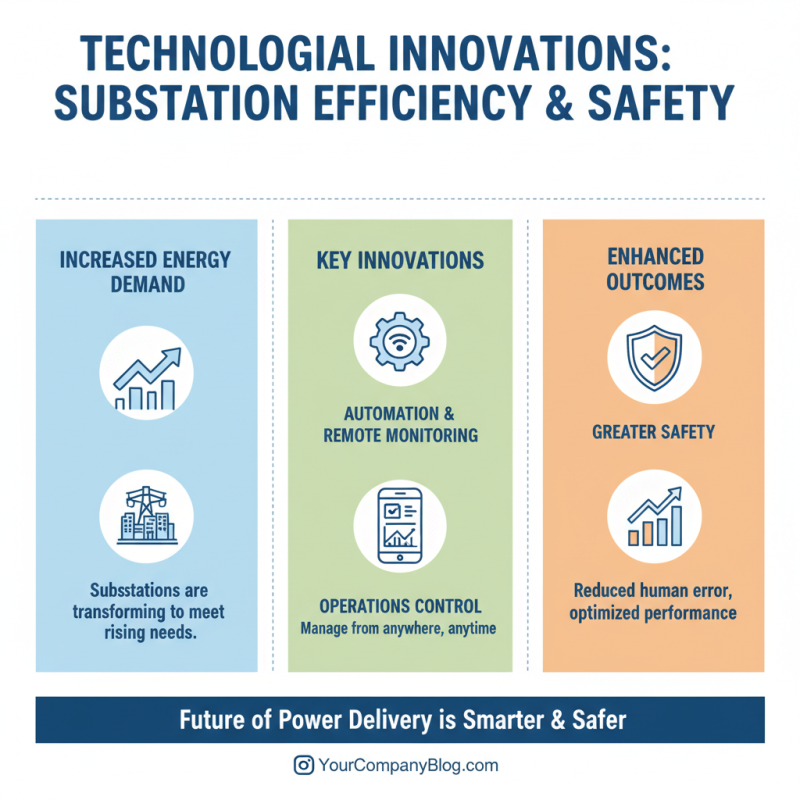
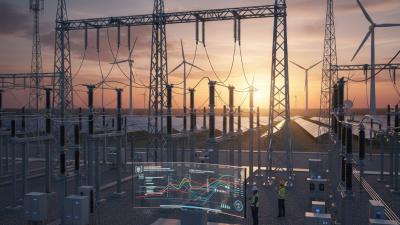
As the demand for energy continues to rise, outdoor substations are undergoing significant transformations. Technological innovations are at the forefront of enhancing their efficiency and safety. Automation and remote monitoring systems are increasingly prevalent. These systems allow operators to manage operations without being physically present. Such advancements reduce human error, making substations safer than ever.
Energy storage solutions are also emerging as essential tools. They help balance supply and demand, especially during peak hours. Integrating renewable energy sources is challenging but possible with advanced controls. These innovations may not always work perfectly, highlighting the need for ongoing improvement. Data analytics enables predictive maintenance, which can lead to cost savings in the long run.
While many innovations appear promising, there can be drawbacks. Implementation costs may deter some operators from adopting new technologies. Training staff to handle advanced systems poses another obstacle. These factors remind us of the need for continuous evaluation and adaptation. The journey toward more efficient outdoor substations is ongoing, requiring collaboration and flexibility from all stakeholders.
Environmental Considerations in Outdoor Substation Construction
Outdoor substations play a crucial role in energy distribution. As environmental concerns rise, their construction is evolving. Designing these facilities requires careful planning. Stakeholders are increasingly factoring in the surrounding ecosystem. This results in fewer disruptions to local wildlife and vegetation.
Tips for minimizing environmental impact:
- Consider using natural materials. These blend with the landscape better.
- Employ renewable energy sources during construction. Solar panels can power machinery.
- Enhance drainage systems. This prevents soil erosion and protects water quality.
Incorporating greenery is another trend. Green roofs and walls reduce heat absorption. They also provide natural habitats for birds and insects. However, some projects overlook maintenance needs. Tending to greenery requires ongoing effort and resources.
The integration of technology is also significant. Smart sensors can monitor environmental impacts in real-time. Yet, this tech requires reliable power sources. This creates a dependency on external energy, which can be problematic. Balancing innovation with sustainability remains a challenge in outdoor substation design.
Market Growth Projections for Outdoor Substations Through 2026
The outdoor substations market is witnessing significant growth leading up to 2026. Projections indicate an increasing demand for efficient, reliable energy solutions. Several factors influence this trend. The shift toward renewable energy sources is a major driver. Solar and wind power projects require robust substations to manage energy distribution effectively.
Innovative designs and advanced technologies are being adopted. Smart grid integration is a focal point. It allows real-time monitoring and enhances operational efficiency. Sustainability is also a growing concern. Many buyers seek environmentally friendly solutions. Outdoor substations designed with low environmental impact are increasingly favored.
Challenges exist in this evolving market. There is a need for skilled professionals in the field. This gap may hinder progress. Additionally, adapting existing infrastructures to new technologies can be difficult. The changing regulatory landscape adds to the complexity. Buyers should stay informed to navigate these challenges effectively.
2026 Outdoor Substations Trends - Market Growth Projections
Key Regional Markets Driving Outdoor Substation Developments Globally
The global market for outdoor substations is evolving rapidly. Regions such as
North America and Asia-Pacific
are at the forefront of this development. According to a recent report by
Market and Markets, the outdoor substation market is expected to grow from
USD 4.12 billion in 2021 to
USD 5.46 billion by 2026. This growth stems
from an increasing demand for reliable power infrastructure.
North America shows promising trends, driven by aging utility facilities.
Upgrading these facilities is a priority. The region's investment in renewable energy sources
necessitates efficient outdoor substations. Meanwhile, Asia-Pacific is experiencing
significant expansions in urban areas. The rise in energy consumption due to urbanization is driving
the installation of more outdoor substations.
Data from the International Energy Agency indicates that Asia-Pacific will
account for over 50% of global energy consumption by
2040. Innovating outdoor substations to handle this demand is crucial.
However, challenges remain. High installation costs and land acquisition issues can impede
progress. The market needs to address these pain points
while continuing to meet the growing energy demands efficiently.





 Claire
 Mr.Fu
Mr.Fu

 Claire