The Ultimate Guide to Choosing Vacuum Ckt Breaker for Your Needs?
Selecting the right Vacuum Ckt Breaker is crucial for any electrical system. These devices play a key role in safeguarding equipment and maintaining reliability. Recent reports highlight that the demand for vacuum circuit breakers is expected to grow at a CAGR of 6.5% through 2027. This growth is driven by increased emphasis on energy efficiency and safety in electrical installations.
Vacuum Ckt Breakers are known for their ability to interrupt current without the need for additional insulating materials. This makes them a preferred choice for many industrial applications. However, not all models are the same. Factors such as voltage rating, breaking capacity, and design should be considered carefully. It is essential to choose a breaker that not only meets the needs of your application but also aligns with industry standards.
As you explore options, reflect on the specific requirements of your electrical system. Ensure that the selected Vacuum Ckt Breaker can handle potential future demands. Engaging with industry experts can provide invaluable insights, helping to navigate the complexities of your decision.
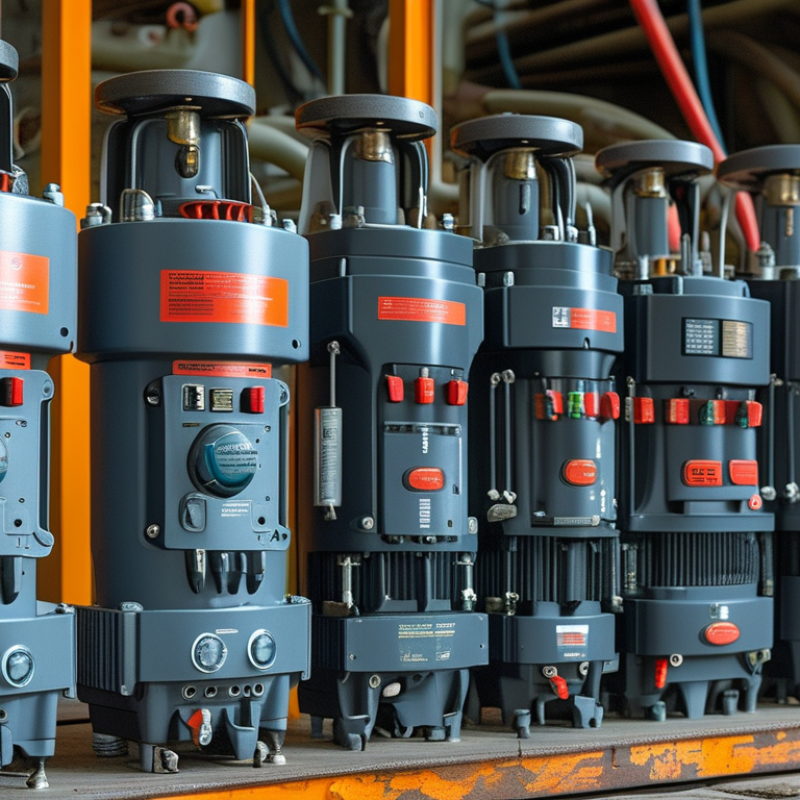
Understanding Vacuum Circuit Breakers: A Comprehensive Overview
Vacuum circuit breakers (VCBs) play a crucial role in electrical distribution systems. They function by isolating faults and protecting equipment. The VCB design uses a vacuum to quench electrical arcs. This happens inside an insulated chamber. These characteristics give VCBs distinct advantages over traditional circuit breakers. They offer better safety and reliability in various applications.
Understanding the specific needs of your electrical system is essential. A VCB's ratings, such as voltage and current capacity, should match your requirements. For instance, consider the operational environment. Are there high levels of dust or moisture? These factors influence the performance of the breaker. Choosing the wrong type can lead to repeated failures or maintenance issues.
Another point to ponder is the installation and maintenance of VCBs. While they are low maintenance, proper setup is key. A poorly installed breaker may not function effectively. Additionally, training for operators is important. They must know how to handle a VCB correctly. Mistakes could lead to system outages or unsafe conditions.
Key Factors to Consider When Choosing a Vacuum Circuit Breaker
When choosing a vacuum circuit breaker (VCB), it’s crucial to consider several key factors.
The rated voltage is essential. Ensure the VCB can handle the voltage levels in your facility.
Operating environment is also significant. Conditions such as temperature, humidity, and exposure to dust can affect performance.
Another factor to evaluate is the breaking capacity. Understand the maximum fault current in your application.
This ensures that the VCB can safely interrupt an overload situation. Remember, cost is important,
but reliability should be the top priority. A cheap breaker may save money upfront but can lead to costly failures later.
Tips:
Check for certifications and compliance with industry standards. This guarantees a level of quality and reliability.
Think about maintenance needs. Some VCBs require regular inspections, which could add to costs.
Lastly, ensure you consider the manufacturer’s reputation.
A well-regarded manufacturer is more likely to produce a reliable product.
Investing time in research can pay off immensely. Your choice may affect safety and efficiency for years.
Reflect on how your choice fits within your overall electrical system.
Types of Vacuum Circuit Breakers and Their Applications
Vacuum circuit breakers (VCBs) are critical components in electrical systems. They play a vital role in ensuring safety and efficiency. There are different types of VCBs, each suited for specific applications. Understanding these types can help in making informed decisions.
One common type is the designed for medium voltage applications, often found in substations. These VCBs are effective at interrupting fault currents. They typically operate in environments where reliability is a priority. Another type is the compact version, suitable for industrial settings with space constraints. These breakers are essential for protecting sensitive equipment.
Each type of vacuum circuit breaker comes with its own set of advantages and limitations. Selecting the right one requires careful consideration of your specific needs. Not every VCB will serve your purpose; this might lead to operational issues. Reflect on your facility's requirements to ensure the best match.
Installation and Maintenance Tips for Vacuum Circuit Breakers
Vacuum circuit breakers (VCBs) are pivotal in modern electrical systems for their reliability and efficiency. Installation plays a significant role in their overall performance. Proper alignment and secure mounting are essential. Ensure that the VCB is level and free from vibrations. Regularly check connections to prevent issues caused by loose wiring.
Maintenance is equally important. A report by the IEEE notes that 30% of circuit breaker failures stem from inadequate maintenance practices. Cleaning the contacts and mechanism regularly can extend the lifespan of your VCB. Use a qualified technician for inspections, as they can identify potential issues early. Feedback from industry experts suggests that a thorough annual check-up is beneficial.
Be attentive to temperature variations and environmental conditions. High humidity or excessive dust can lead to malfunction. 70% of professionals recommend monitoring these factors to avoid unexpected outages. Remember, even reliable equipment like VCBs needs vigilance during installation and upkeep. A proactive approach can greatly improve performance and safety.
Common Misconceptions About Vacuum Circuit Breakers Explained
When it comes to vacuum circuit breakers (VCBs), numerous misconceptions can cloud decision-making. Many think that these devices are solely for high-voltage applications. In reality, VCBs are effective for medium-voltage systems as well, handling voltages up to 36 kV. They are compact and reliable, making them a popular choice regardless of the voltage range.
Another common myth is that VCBs are less effective than other breakers in short-circuit protection. This is misleading. VCBs operate efficiently and can interrupt high fault currents, ensuring the safety of electrical installations. Proper maintenance also dispels fears about their reliability. Regular inspections can significantly boost performance and longevity.
Many users assume that VCBs require extensive training to operate. However, they are designed for ease of use. While some technical knowledge is beneficial, operators can quickly grasp their functionalities. This clarity in operation minimizes user error and enhances safety. Embracing accurate information about VCBs can lead to informed choices, ultimately benefiting electrical systems.










 Claire
 Mr.Fu
Mr.Fu

 Claire