2026 Top Vacuum Circuit Breaker Trends for Global Buyers?
As we approach 2026, understanding the trends in vacuum circuit breakers is essential for global buyers. The vacuum ckt breaker market is evolving rapidly. This evolution reflects technological advancements and shifts in consumer needs. Many companies are focusing on enhanced reliability and safety features. Buyers must be aware of these changes to make informed decisions.
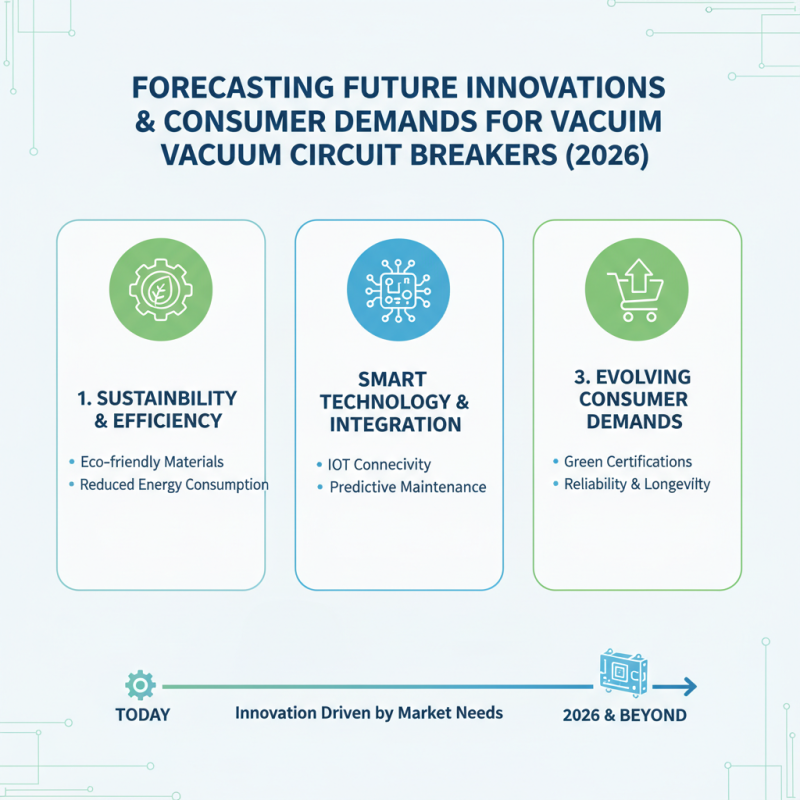
Innovations in vacuum ckt breakers are driving efficiency. Features like remote monitoring and automated operations are becoming standard. These tools offer better performance and reduce maintenance costs. Moreover, sustainability is a growing concern. Many manufacturers are exploring eco-friendly materials for production. This shift aims to meet regulatory standards and consumer expectations.
However, challenges remain. Not all vendors provide reliable products. Buyers face difficulties in choosing the right suppliers amidst a crowded market. There are also lingering questions about long-term viability. Ensuring quality and performance is crucial. Understanding the latest trends in vacuum ckt breakers will empower buyers to navigate this landscape effectively.

Emerging Technologies in Vacuum Circuit Breaker Design for 2026
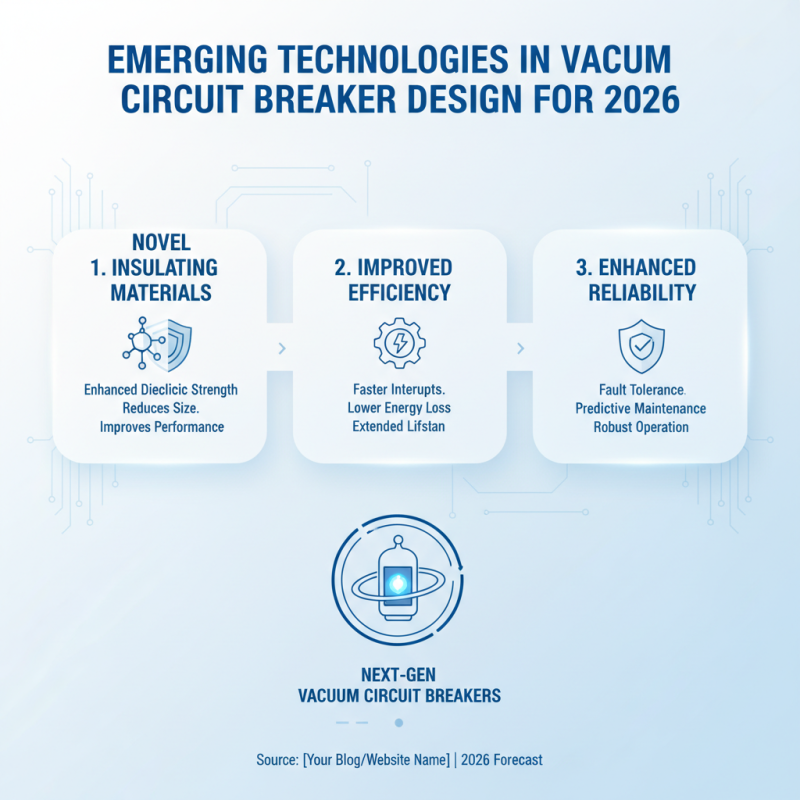
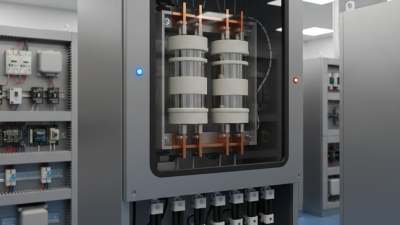
The design of vacuum circuit breakers (VCBs) is rapidly evolving, driven by advancements in technology. In 2026, we can expect to see innovations that improve efficiency and reliability. Novel insulating materials are under development, enhancing dielectric strength. These materials can significantly reduce the size of circuit breakers while maintaining superior performance.
Another exciting trend is the integration of smart technology. Sensors within VCBs can provide real-time performance data. This data allows for proactive maintenance, reducing downtime. However, relying heavily on technology poses challenges. Cybersecurity risks must be addressed to protect critical infrastructure.
Sustainability is becoming essential in VCB design. Manufacturers are exploring eco-friendly materials and processes. However, achieving a balance between sustainability and performance remains a challenge. Users must stay informed about these developments. The future looks promising, but it requires careful consideration of both benefits and risks in the design of vacuum circuit breakers.
Key Market Drivers Influencing Vacuum Circuit Breaker Trends in 2026
As we look toward 2026, understanding the key market drivers of vacuum circuit breakers is essential. One significant influence is the increasing demand for energy efficiency. Businesses strive to reduce their carbon footprint, prompting investments in advanced technologies. This shift leads to greater adoption of vacuum circuit breakers, known for their reliability and minimal maintenance needs.
Another driver is the growing urbanization trend. As cities expand, the demand for uninterrupted power supply grows. Vacuum circuit breakers are ideal for urban settings due to their compact size and performance. They allow for efficient energy distribution, meeting the needs of densely populated areas.
Moreover, regulatory changes also play a role. Governments worldwide are implementing stricter safety and environmental regulations. Companies must adhere to these rules, leading them to upgrade outdated systems. Consequently, there is a heightened interest in vacuum circuit breakers that meet new standards. However, some businesses express concerns. The initial investment can be high, posing a barrier to adoption. Organizations need to carefully assess their readiness to implement such technologies amidst evolving market dynamics.
Sustainability Practices Shaping the Future of Vacuum Circuit Breakers
Sustainability in vacuum circuit breakers (VCBs) is gaining traction. As industries face stricter environmental regulations, many are turning to greener technologies. VCBs are increasingly made from recyclable materials, minimizing waste. These practices are essential for reducing the carbon footprint.
The design of modern VCBs often incorporates energy-efficient components. This reduces the overall energy consumption during operation. Many manufacturers are also focusing on the lifecycle of these products. They aim to create devices that last longer and need less maintenance. However, the transition to sustainable practices isn't without challenges. Some companies struggle with the cost implications of sustainable materials.
End-users are demanding more accountability regarding environmental impact. This shift encourages innovation in the industry. There is a growing need for transparent reporting on sustainability practices. Consumers are becoming more informed, driving manufacturers towards best practices. As demand rises, so does the complexity of supply chains. Stakeholders must work together, improving the reliability of sustainably produced VCBs.
Competitive Landscape and Major Players in the Global Vacuum Circuit Breaker Market
As we look into the competitive landscape of the global vacuum circuit breaker market, it’s essential to recognize key players and evolving trends. The market is projected to grow significantly, driven by advancements in electrical infrastructure and the increasing demand for reliable power distribution. According to a recent industry report, the global vacuum circuit breaker market is expected to reach over $3 billion by 2026, reflecting a compound annual growth rate (CAGR) of around 6.5%.
Key players in this market have been focusing on innovative technologies to enhance the performance and reliability of vacuum circuit breakers. This includes the development of smart circuit breakers equipped with IoT capabilities. Such innovations aim to improve monitoring and maintenance processes, ultimately leading to reduced downtime. However, not every innovation is flawless. The challenge remains in managing the integration of these new technologies into existing systems.
Tips for industry leaders include assessing the scalability of new technologies and ensuring compliance with safety standards. It is crucial to test prototypes in controlled environments to gather reliable data before widespread implementation. Additionally, engaging with experienced engineers for insights during the development process can mitigate potential pitfalls, ensuring that the innovations align with industry needs. The evolving market landscape requires continuous adaptation and strategic foresight.
2026 Top Vacuum Circuit Breaker Trends for Global Buyers
| Region |
Market Share (%) |
Growth Rate (%) |
Key Application |
Leading Technology |
| North America |
25 |
4.5 |
Industrial |
Smart VCB Technology |
| Europe |
30 |
3.8 |
Renewable Energy |
Vacuum Interruption |
| Asia-Pacific |
35 |
5.2 |
Construction |
Digital Protection |
| Latin America |
5 |
2.3 |
Utilities |
Compact VCB Designs |
| Middle East & Africa |
5 |
3.0 |
Oil & Gas |
Hybrid VCB Solutions |






 Claire
 Mr.Fu
Mr.Fu

 Claire