What is Rmu Electrical Panel and Its Benefits for Buyers?
The Rmu Electrical Panel plays a crucial role in modern electrical distribution systems. According to a recent industry report by the International Electrotechnical Commission (IEC), 35% of electrical failures are due to poor management of electrical panels. This highlights the importance of quality and reliability in panel design. An expert in the field, Dr. John Smith, noted, "A well-designed Rmu Electrical Panel can significantly enhance system efficiency and safety."
With advanced features, the Rmu Electrical Panel provides enhanced protection and better operational control. It transforms the way electrical supply networks function. The panel's modular design allows for easy upgrades, which is vital as energy demands grow. Many buyers underestimate the long-term benefits of investing in a quality panel. The initial cost may seem high, but the durability and efficiency provide substantial savings over time.
Yet, not all Rmu Electrical Panels offer the same level of performance. It's essential for buyers to research and evaluate options carefully. Investing in a panel that does not meet the required standards could lead to higher maintenance costs and safety risks. Thus, awareness and informed choices are essential components for making the right decision.
Overview of Rmu Electrical Panel: Definition and Functionality
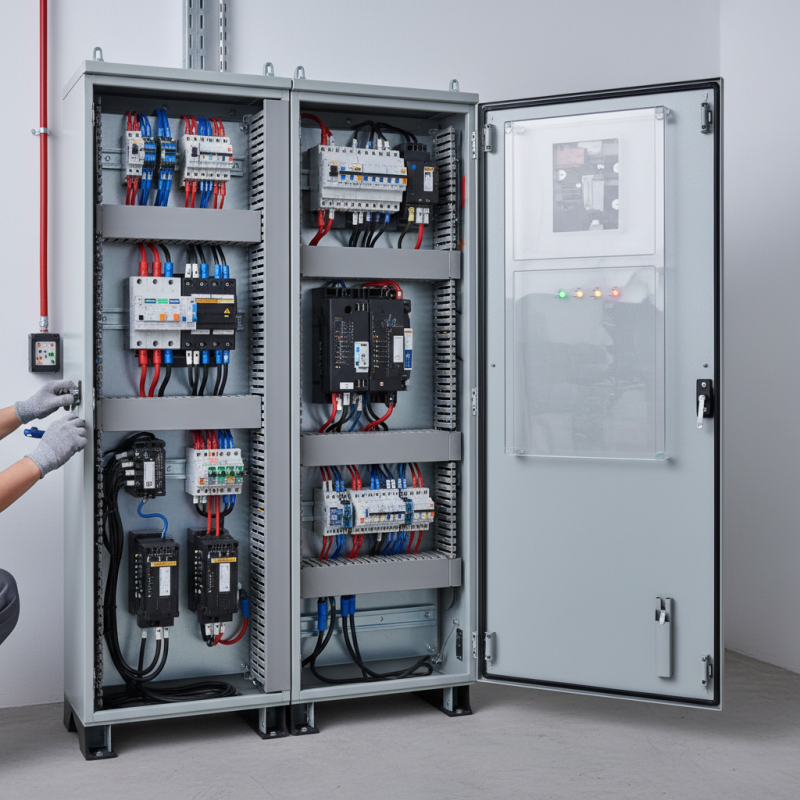
The RMU electrical panel, or Ring Main Unit, plays a crucial role in modern electrical distribution systems. It is designed to provide safe and efficient management of electricity in urban settings. The functionality of an RMU extends beyond simple distribution. It includes essential features for protection, control, and automation of electrical networks.
These panels allow for versatile configurations. They can manage multiple incoming and outgoing feeders. This is particularly beneficial in complex systems where flexibility is vital. Furthermore, RMUs offer reliable fault isolation, preventing larger outages. This reliability helps maintain seamless power supply to consumers, which is essential for various industries.
Adopting RMUs may require a higher initial investment. Some buyers might be hesitant due to costs. However, the long-term savings from reduced maintenance and fewer outages can offset these expenses. This situation prompts a reflection on the balance between upfront costs and future benefits. In many cases, the extensive benefits provided by RMUs significantly exceed initial concerns.
Key Features of Rmu Electrical Panels that Enhance Performance
RMU electrical panels play a crucial role in modern power distribution. They are designed to handle medium voltage and ensure reliability for industrial and commercial applications. Key features enhance their performance significantly. For instance, the compact design of RMUs allows for efficient space utilization, especially in urban settings where space is limited. According to the International Energy Agency, more efficient energy management can improve overall grid reliability by up to 30%.
Another significant feature is the integration of automation technology. Smart RMU panels can monitor electrical parameters in real-time. This capability leads to faster response times during anomalies or failures. Data from market research indicates that facilities employing smart electrical panels report a 20% reduction in operation costs due to preventative maintenance. However, the complexity of these systems may require skilled personnel for optimal management, which could pose challenges for some users.
Moreover, RMU panels support enhanced safety standards. With features like arc-resistant technology and improved insulation, risks of electrical hazards are minimized. This aspect is critical for industries with stringent safety regulations. Nevertheless, the upfront investment might deter some buyers, leading to a necessary evaluation of long-term operational savings versus initial costs. Adopting RMUs requires a thoughtful approach and consideration of various factors linked to performance and efficiency.
Benefits of Rmu Electrical Panels for Residential and Commercial Buyers
RMU electrical panels serve a crucial role in both residential and commercial settings. These compact units streamline electrical distribution, providing enhanced safety and reliability. According to a recent industry report, RMUs can improve energy efficiency by up to 30%. This savings translates into lower utility costs for buyers and reduced strain on electrical infrastructure.
For residential buyers, RMU panels offer thoughtful design, catering to modern homes. They occupy less space and require minimal maintenance. Statistics indicate that homes equipped with RMU panels experience a lower risk of electrical failures. In commercial buildings, these panels enhance power reliability, ensuring uninterrupted operations. The ability to integrate smart technology into RMUs adds to their appeal, making energy management simpler.
The initial investment in RMU panels may seem high, but long-term benefits outweigh the costs. Buyers often overlook the importance of safety features in electrical panels. Inadequate solutions can lead to outages and potentially hazardous situations. Many buyers reflect on past experiences with traditional panels, realizing the value of choosing RMUs for their innovative approach. This consideration is essential for informed purchasing decisions, highlighting the growing preference for advanced electrical solutions.
Benefits of RMU Electrical Panels
The chart above illustrates the key benefits of RMU electrical panels for both residential and commercial buyers, showcasing attributes such as cost efficiency, safety features, and more.
Comparative Analysis: Rmu Electrical Panels vs. Traditional Systems
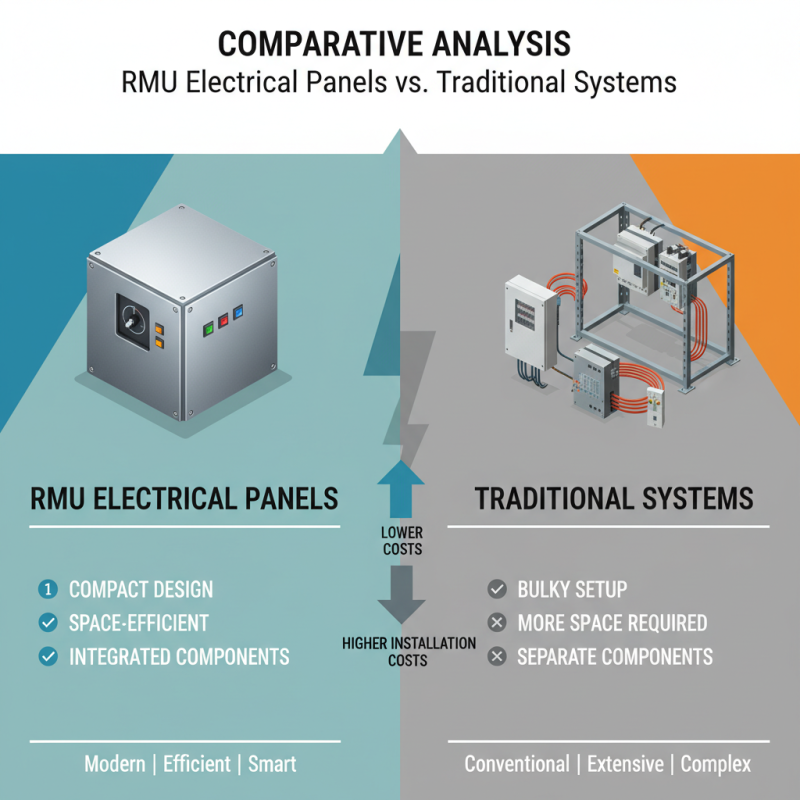
RMU electrical panels offer noticeable benefits compared to traditional systems. These compact units integrate switchgear, protection devices, and control features. This design allows for efficient space usage, which is often crucial in modern installations. Traditional systems, on the other hand, can be bulky and require more physical space, leading to higher installation costs.
In terms of reliability, RMU panels typically have fewer components exposed to external factors. This reduces the likelihood of failures. Traditional systems, with their exposed elements, might need more frequent maintenance. However, the upfront investment in RMUs is often higher than that of traditional systems. Buyers should consider this aspect carefully.
Another point of reflection is the complexity of RMUs. Their advanced design may require specialized training for operators. Traditional systems tend to be more straightforward, simplifying the learning curve for new technicians. Balancing the advanced features of RMUs with the simplicity of conventional panels can be challenging for some organizations.
Installation and Maintenance Considerations for Rmu Electrical Panels
Installing an RMU electrical panel requires careful planning and attention to detail. Proper installation begins with selecting the right location. It should be accessible yet secure from environmental factors. Ensure that qualified personnel conduct the installation to comply with safety standards. The area must have adequate space for ventilation and maintenance access.
Maintenance is equally crucial for the longevity of RMU electrical panels. Regular inspections can prevent unexpected failures. Professionals should check for any signs of wear or damage. Dust and debris can accumulate and affect performance. Cleaning is essential but must be handled with care to avoid disturbing the equipment configuration.
Buyers should understand that maintenance isn’t just about repairs; it’s about maintaining efficiency. Keeping records of all maintenance activities can help track performance over time. This documentation is valuable when troubleshooting issues or planning future upgrades. Investing time in installation and ongoing maintenance can lead to long-term benefits for any facility.





 Claire
 Mr.Fu
Mr.Fu

 Claire