What is a Ring Main Unit Substation and Its Benefits?
The Ring Main Unit Substation (RMUS) represents a significant advancement in electrical distribution. As urbanization accelerates, the demand for efficient power distribution systems increases. According to a report by the International Energy Agency, global electricity demand is expected to rise by over 30% by 2040. The RMUS efficiently addresses this need.
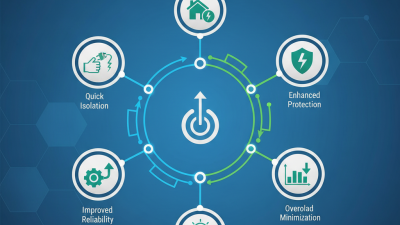
One major benefit of a Ring Main Unit Substation is its ability to enhance reliability. By ensuring a consistent power supply, it minimizes outages. A study published in the Journal of Energy Storage highlights that utilizing RMUs can lead to a 20% reduction in downtime compared to traditional systems. This reliability is essential in densely populated areas where power disruptions can have severe consequences.
However, implementing RMUs is not without challenges. Initial costs can be high, and proper maintenance is crucial for long-term efficiency. Organizations must weigh these factors against the advantages of reliability, safety, and operational flexibility. As the energy landscape evolves, the role of Ring Main Unit Substations will likely become even more critical in meeting global energy needs.
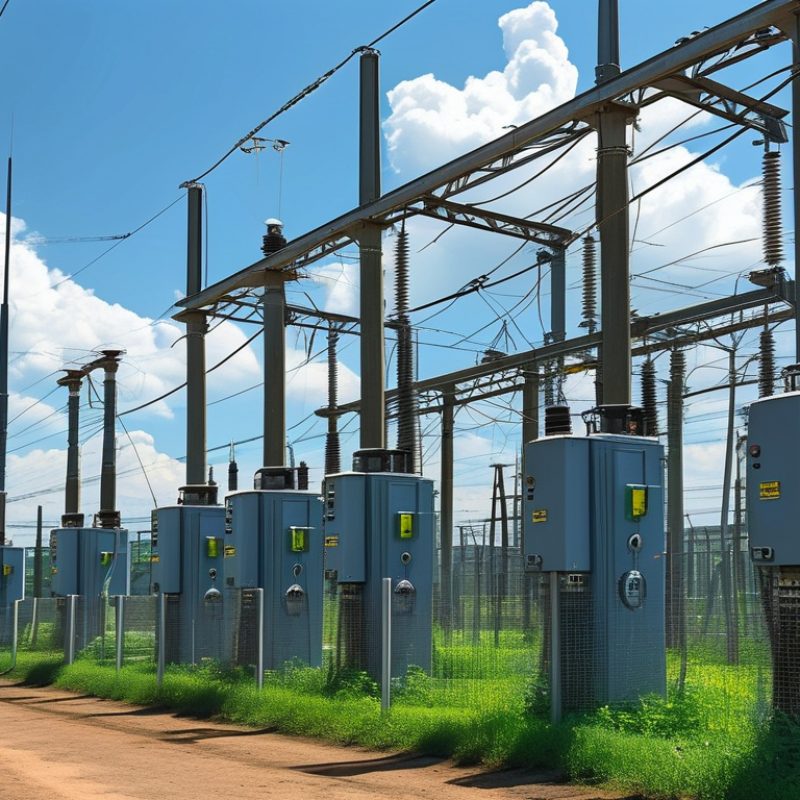
What is a Ring Main Unit Substation?
A Ring Main Unit Substation (RMU) is an essential component in modern electrical distribution systems. It acts as a pivotal point in a network, providing an efficient way to manage the distribution of electricity. RMUs are designed for medium voltage applications, typically ranging from 1kV to 36kV. This design allows for better reliability and reduces the risk of outages. The RMU can enhance operational efficiency while maintaining a compact footprint, which is advantageous for urban installations.
One key benefit of RMUs is their ability to integrate various components like circuit breakers, switches, and transformers within a single unit. According to a report by the International Energy Agency (IEA), efficient electrical distribution can lead to energy savings of up to 20%. This showcases the impact that integrating technologies like RMUs can have on overall energy efficiency.
Further analysis indicates that RMUs also facilitate quicker fault isolation. This ensures that only a small section of the distribution network is affected during issues, reducing downtime. However, it’s crucial to consider the initial installation costs, as they can be significant. Balancing these costs with long-term operational savings is essential for utilities. Monitoring and maintaining these units periodically is vital to ensure their reliability and efficiency.
Key Components of a Ring Main Unit Substation
A Ring Main Unit (RMU) substation is vital in modern electrical distribution systems. It enhances reliability while ensuring safety. At its core, the RMU contains several key components that work together seamlessly.
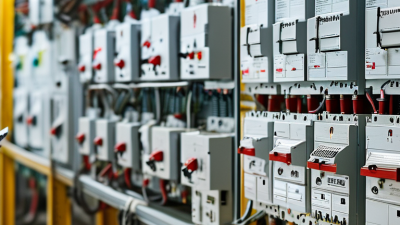
One essential part of an RMU is the switchgear. This component protects circuits and controls the flow of electricity. It allows operators to isolate faults, preventing larger outages. Inline fuses and circuit breakers are also crucial. They disconnect electrical circuits during an overload or failure, minimizing damage.
Additionally, RMUs utilize transformers. These devices step down voltages for end users, making electricity safer to handle. The integration of protective relays ensures real-time monitoring. This means operators can respond quickly to potential issues. While the design of RMUs is sophisticated, challenges remain. Sometimes, installation can be complex due to space constraints. Proper training in maintenance is necessary to prevent operational failures. The benefits of RMUs, however, typically outweigh these concerns.
Benefits of Using Ring Main Unit Substations
Ring Main Unit (RMU) substations play a crucial role in modern electrical distribution networks. These compact systems enhance reliability and efficiency in power distribution. According to the International Energy Agency, the adoption of RMUs can reduce downtime by 30%. They allow for flexible connectivity, supporting various configurations as per load requirements. RMUs integrate switchgear, transformers, and protection devices in a single unit. This unification not only saves space but also simplifies maintenance.
One key advantage of RMUs is their enhanced safety features. Built-in protection mechanisms reduce risks associated with electrical faults. For example, many RMUs offer automated switch operation. This feature minimizes human intervention during faults, leading to faster restoration of power. A report by the IEEE suggests that such automation can improve restoration times by up to 40%. Additionally, RMUs are designed to operate in challenging environments, ensuring reliability under adverse conditions.
However, there are challenges in RMU implementation. Installation costs can be higher compared to traditional substations. Moreover, the complexity of integrating new technologies requires skilled personnel. Many organizations struggle with the transition due to insufficient training. This can lead to operational inefficiencies if not adequately addressed. Despite these challenges, the long-term benefits of Ring Main Unit substations are undeniable.
Applications of Ring Main Unit Substations in Power Distribution
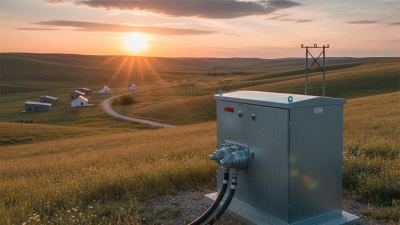
Ring Main Unit Substations (RMUs) play a vital role in modern power distribution networks. Their applications are diverse and critical for ensuring reliable electricity supply to consumers. RMUs are commonly used in urban areas, industrial sites, and commercial buildings. They provide a compact solution for medium voltage distribution, allowing for effective control and management of electrical flows.
One major application of RMUs is in renewable energy integration. As more solar and wind power sources connect to the grid, RMUs facilitate easier load management. They can help balance supply and demand effectively. This adaptability makes RMUs essential for a sustainable energy future. Moreover, the reliability of RMUs ensures minimal downtime. When a fault occurs, they isolate the affected sections quickly, maintaining power for the rest of the network.
Despite their usefulness, RMUs come with challenges. Maintenance can be tricky, especially in densely populated urban settings. Technicians must navigate space constraints and safety protocols during inspections. In addition, advancements in technology mean that staff must continually upskill to handle evolving equipment. This need for constant training and potential design flaws can lead to operational delays. Balancing innovation with reliability remains a focus for many utilities employing RMUs.
Maintenance and Safety Considerations for Ring Main Unit Substations
Ring Main Unit Substations (RMUs) play a crucial role in electrical distribution networks. Their design allows for efficient and reliable power distribution, minimizing downtime. However, maintenance and safety are vital. Continuous monitoring and regular inspections are essential to ensure optimal performance and safety compliance. According to a recent industry report, over 30% of unplanned outages are linked to inadequate maintenance practices.
Operators must adhere to strict safety protocols. Personal protective equipment (PPE) is necessary when conducting maintenance. Training for personnel is paramount to minimize human error. The International Electrotechnical Commission (IEC) outlines guidelines that emphasize the importance of systematic maintenance schedules. Many utilities still struggle with implementing these practices effectively, risking both efficiency and safety.
An RMU also requires specific environmental considerations. Dust and moisture can affect its performance. Regular cleaning and inspections help mitigate potential issues. A study found that equipment failure often occurs in units not maintained at optimal conditions. Entities must recognize that neglecting routine checks can lead to significant costs and safety hazards over time. Implementing a thorough, documented maintenance plan can enhance reliability and longevity of these systems.
What is a Ring Main Unit Substation and Its Benefits? - Maintenance and Safety Considerations for Ring Main Unit Substations
| Feature |
Description |
Benefits |
Maintenance Considerations |
Safety Considerations |
| Compact Design |
Space-efficient units for urban areas. |
Reduced footprint and installation costs. |
Regular inspections to ensure compactness is maintained. |
Ensure proper grounding to prevent electrical hazards. |
| Integrated Protection |
Built-in protection systems for electrical faults. |
Enhanced reliability and reduced downtime. |
Routine testing of protective relays. |
Regular safety drills for personnel working around RMUs. |
| User-Friendly Operation |
Simple operation, suitable for personnel with minimal training. |
Ease of operation reduces training time. |
User manuals should be accessible and clear. |
Ensure adequate training for new operators. |
| Remote Monitoring |
Ability to monitor operations remotely. |
Proactive maintenance and fault detection. |
Check remote systems for functionality regularly. |
Cybersecurity measures should be in place for remote systems. |
| Environmentally Friendly |
Designed with materials that minimize environmental impact. |
Contributing to sustainability goals. |
Use of eco-friendly maintenance products. |
Proper disposal of any hazardous materials. |





 Claire
 Mr.Fu
Mr.Fu

 Claire