How to Choose the Right Electrical Substation for Your Needs?
Choosing the right Electrical Substation is crucial for ensuring reliable power distribution. John Doe, a renowned electrical engineer, emphasizes, "Selecting the right substation can make or break your energy network." His words resonate in an industry where the decisions made can significantly impact operational efficiency and safety.
When evaluating Electrical Substations, consider your specific energy needs. Factors such as capacity, location, and technology play a pivotal role. It's vital to assess each component carefully. For instance, a substation's transformer must match the demand it will handle. Miscalculations may lead to inefficiencies.
In addition, always contemplate future growth. An Electrical Substation should be flexible enough to accommodate changing demands. Tying together both current needs and future expansions can be a challenging balance. Ensuring your choice supports long-term goals is essential. Making informed decisions requires diligence and expertise at every step.
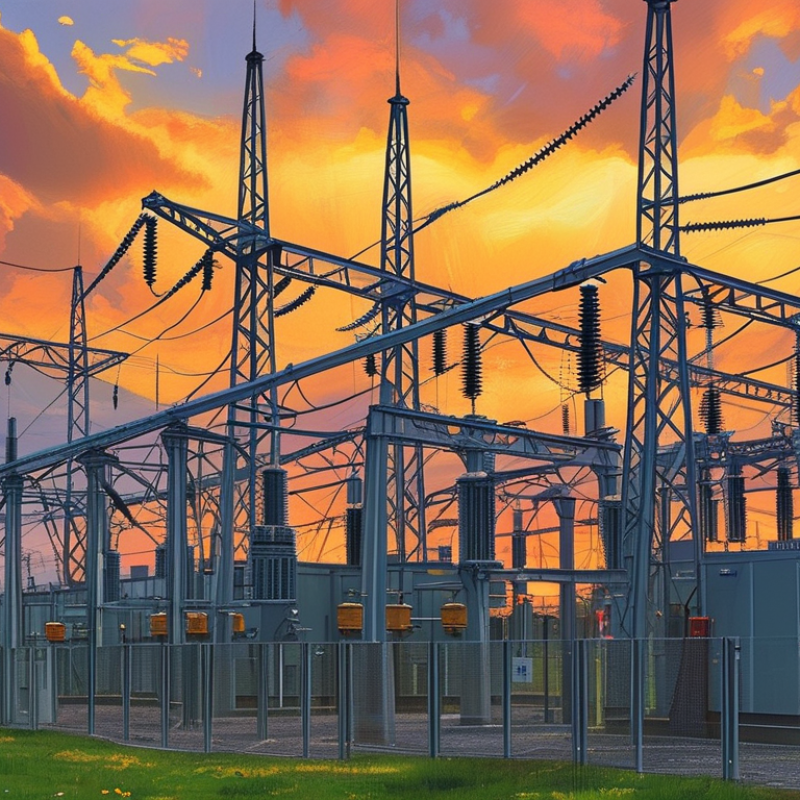
Understanding the Purpose of Electrical Substations
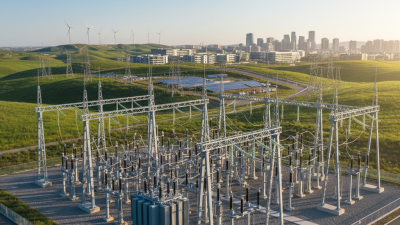
Electrical substations play a crucial role in the distribution of electricity. They manage the voltage and modify electrical energy for safe delivery to homes and businesses. Understanding their purpose is essential when selecting the right substation for your specific needs.
When evaluating an electrical substation, consider its location and capacity. A well-placed substation can reduce energy loss. It can enhance service reliability. Assess the load requirements of your area. This helps ensure the substation supports the necessary power demand.
**Tips:** Ensure the substation is designed to accommodate future growth. This is vital for expanding communities or energy needs. Regular maintenance is essential. Failing to do so can lead to unexpected outages. Also, evaluate the substation's compliance with local regulations. This ensures safety and reliability.
Reliability should be your priority. Not all substations offer similar levels of service. Some may fail during peak loads. Researching past performance can be insightful. Engage with experts who understand regional energy needs. Their knowledge can guide you in making an informed decision.
Types of Electrical Substations and Their Features
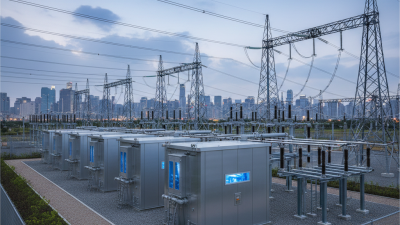
When selecting an electrical substation, understanding the different types available is crucial. The most common types include distribution substations, transmission substations, and collector substations. Each type serves unique roles and has distinct characteristics. For example, distribution substations transform high-voltage electricity into lower voltages for residential use. According to a recent industry report, nearly 60% of substations in urban areas belong to this category.
Transmission substations, on the other hand, manage the flow of electricity from power plants to distribution networks. They operate at much higher voltages, typically between 69 kV and 765 kV. This type is essential for long-distance transmission. Data from the International Energy Agency shows these substations account for about 30% of the power infrastructure. Their design must consider stability and reliability to prevent outages, a challenge many face today.
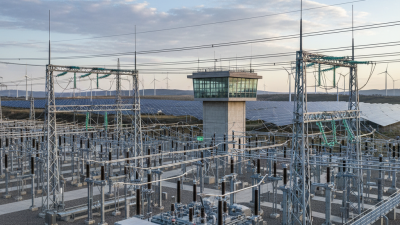
Collector substations are vital in renewable energy systems. They consolidate power generated from various sources, like wind or solar, before sending it to the grid. Despite their importance, the integration of these substations often encounters regulatory and logistical hurdles. For instance, a report highlighted that 40% of new renewable projects faced delays due to substation-related issues. Understanding these types helps in making informed choices tailored to specific energy needs.
How to Choose the Right Electrical Substation for Your Needs? - Types of Electrical Substations and Their Features
| Type of Substation |
Features |
Applications |
Advantages |
| Step-Down Substation |
Reduces voltage from transmission level to distribution level. |
Urban areas, commercial buildings, industrial plants. |
Provides local power supply and improves voltage stability. |
| Step-Up Substation |
Increases voltage for transmission over long distances. |
Power plants, renewable energy integration. |
Reduces line losses and increases transmission efficiency. |
| Distribution Substation |
Distributes electrical power to consumers. |
Residential neighborhoods, commercial areas. |
Enhances local grid reliability and accessibility. |
| Generator Substation |
Connects generators to the transmission network. |
Power generation facilities, renewable sources. |
Facilitates power output and grid interconnection. |
| Collector Substation |
Collects power from multiple sources and feeds it to the grid. |
Wind, solar farms. |
Optimizes power collection and distribution from renewables. |
Key Factors to Consider When Choosing an Electrical Substation
Choosing an electrical substation is a critical decision. Several key factors should guide this process. One primary factor is location. The substation must be near the load to minimize transmission losses. If it's too far away, efficiency decreases and costs rise.
Capacity is another essential aspect. It should fit your current and future needs. Underestimating capacity can lead to outages. Oversizing results in wasted resources. It requires careful calculation and forecasting of energy demands.
Quality and reliability of equipment are non-negotiable. Look for substations that use high-grade materials. Operational failures can lead to significant disruptions. Maintaining equipment is necessary but often overlooked. Regular checks are essential to ensure systems function properly over time.
Evaluating Location and Environmental Impact for Substations
Choosing the right location for an electrical substation is crucial. It can impact efficiency, safety, and the environment. Consider proximity to existing infrastructure. Being close to power lines and roads can reduce costs. However, it’s essential to assess the impact on nearby communities.
Environmental considerations are equally important. A site close to a natural habitat may disrupt local wildlife. Assess noise pollution and visual impact too. Communities may resist substations if they alter landscapes or create disturbances. Public opinion matters; engaging local stakeholders can foster collaboration.
Think about future growth as well. Areas may evolve, and needs may change over time. Choosing a flexible site allows for expansion or modification. Evaluating various factors and locations will ensure a well-informed decision. It’s a dynamic process that requires thoughtful analysis.
Assessing Budget and Operational Requirements for Your Substation
When choosing an electrical substation, aligning your budget and operational requirements is crucial. Industry reports indicate that capital costs often represent 60% of the total investment in a substation. This includes design, equipment, and installation expenses. It’s essential to assess these costs early in the planning process. For example, a conventional substation might require an investment of $1 million per megawatt. However, advanced technology can lead to higher initial costs but can offer savings in operational expenditures over time.
Operational requirements also must be closely evaluated. Depending on the region, maintenance can account for 30% of the annual operating budget. Regular maintenance is not just an added expense; it is imperative for safety and efficiency. Moreover, as demand for energy increases, substations may require upgrades or expansions. Consulting with electrical engineering specialists can provide insights into your specific needs. They can help estimate future demand and recommend suitable infrastructure.
Budget discussions often reveal that many underestimate ongoing costs. A common oversight is neglecting to factor in land acquisition or regulatory compliance, which can significantly impact total project cost. It’s vital to engage with local authorities to understand permitting processes and associated fees early on. Delays in these areas can derail timelines and budgets.




 Claire
 Mr.Fu
Mr.Fu

 Claire