Why Choose an Ats Transfer Switch for Your Power Needs?
In today’s world, reliable power supply is crucial for both homes and businesses. An ATS Transfer Switch offers an effective solution for managing power needs. It ensures a seamless transition between different power sources, especially during outages. The switch automatically detects power interruptions and shifts to a backup generator, maintaining essential operations.
Using an ATS Transfer Switch can improve energy efficiency and reduce downtime. Many businesses rely on consistent power to operate machinery and equipment. A sudden loss of power can lead to significant losses. By integrating this switch, organizations can safeguard their operations and investments.
However, it’s important to consider the installation and maintenance aspects. Choosing the right ATS Transfer Switch requires professional insight. Factors like capacity, compatibility, and functionality play a significant role. Improper installation may lead to inefficiencies or safety issues. Making informed decisions ensures long-term reliability and performance.
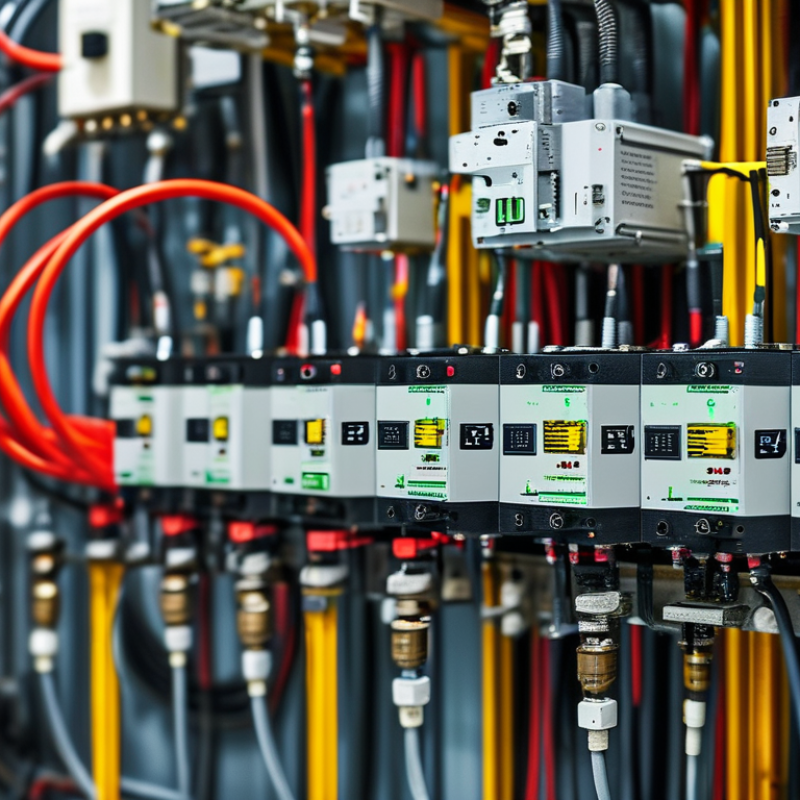
Understanding ATS Transfer Switches and Their Functionality
ATS (Automatic Transfer Switch) systems play a crucial role in ensuring reliable power delivery. They monitor incoming power sources. When a failure occurs, they switch to an alternative source seamlessly. According to the International Electrotechnical Commission, up to 80% of power outages can be instantaneous, requiring emergency power solutions.
Understanding how ATS transfer switches work is essential for industries reliant on uninterrupted power. They generally operate in tandem with generator systems. The process involves sensors that detect power loss and activate generators within seconds. This rapid response is vital in sectors such as healthcare and data centers, where downtime can lead to catastrophic consequences.
These devices also enhance operational efficiency. Regular operation of standby generators, facilitated by ATS, can extend their lifespan. However, reliance on ATS systems poses challenges. Maintenance is crucial to ensure they function correctly when needed. Furthermore, there could be risks if configurations are not set up properly. Experts suggest regular testing and monitoring to mitigate these risks. This ongoing assessment can provide insights into performance and areas for improvement.
Why Choose an ATS Transfer Switch for Your Power Needs?
Key Benefits of Using an ATS for Power Management
An Automatic Transfer Switch (ATS) is crucial for efficient power management. This device automatically shifts the power source between the utility grid and a generator. There are key benefits to using an ATS for your power needs.
One significant advantage is reliability. An ATS ensures an uninterrupted power supply during outages. It senses the loss of utility power quickly, often within seconds, and engages the backup generator. This swiftness can be crucial for sensitive equipment, as downtime can lead to significant losses.
Another benefit is safety. ATS enhances safety by reducing the chance of backfeeding energy into the grid. This situation can endanger utility workers and compromise the entire power system. Using an ATS helps adhere to safety regulations, promoting a secure environment.
**Tip:** Regular testing of your ATS is essential. Schedule periodic checks to ensure it functions properly during an outage.
Efficiency is a further highlight. An ATS optimizes the use of power resources. It can analyze the power loads and manage them accordingly, ensuring the generator runs efficiently.
**Tip:** Consider loading your generator correctly to avoid overload. This step prolongs the lifespan of your power equipment.
In summary, the use of an ATS for power management provides reliability, safety, and efficiency, proving it an invaluable asset for both homes and businesses.
Comparison of ATS Transfer Switches and Manual Switches
Automatic Transfer Switches (ATS) provide seamless power management during outages. They automatically detect power loss and switch to backup sources. This ensures continuous supply without manual intervention. In contrast, manual switches require human action to change power sources, which can lead to delays and potential errors.
With an ATS, downtime is minimized. The process is quick and often requires just seconds. Manual switches, on the other hand, depend on the user's availability and awareness. This can pose risks, especially in critical systems like hospitals or data centers. Users sometimes underestimate the importance of rapid transitions.
Additionally, ATS solutions allow for automated testing and monitoring. This capability helps maintain system reliability. Manual switches often lack these features, making them less efficient. Users may find they need more hands-on management and regular checks. The choice between the two hinges on specific needs and risk tolerance.
Why Choose an Ats Transfer Switch for Your Power Needs? - Comparison of ATS Transfer Switches and Manual Switches
| Feature |
ATS Transfer Switch |
Manual Transfer Switch |
| Operation Method |
Automatic |
Manual |
| Response Time |
Seconds |
Minutes |
| Ease of Use |
User-friendly |
Requires Training |
| Cost |
Higher Initial Investment |
Lower Initial Investment |
| Maintenance |
Regular Checks Needed |
Infrequent Maintenance |
| Best For |
Critical Applications |
Non-Critical Applications |
Factors to Consider When Choosing an ATS Transfer Switch
When choosing an ATS transfer switch, it's essential to consider various factors. First, assess the power requirements of your facility. Calculate the total wattage needed for essential equipment. This will help you select a switch that can handle your specific load. An inadequate switch may not support all devices, leading to failures during outages.
Another crucial aspect is the switch type. Automatic transfer switches come in different configurations. For instance, some are residential, while others serve industrial applications. Understanding your usage scenario helps in making an informed choice. Safety features are also vital. Look for options with built-in protections to safeguard against electrical faults. Neglecting these could pose significant risks.
Reliability is key. An ATS should perform consistently during power interruptions. Research durability and user reviews for insights. However, even reliable systems can have glitches. Maintenance is often overlooked. Regular checks can uncover potential issues before they escalate, ensuring consistent performance. This proactive approach creates better preparedness for unexpected events. Always keep in mind that preparedness in planning can mitigate risks effectively.
Common Applications of ATS Transfer Switches in Various Sectors
ATS transfer switches play a vital role in ensuring uninterrupted power supply across various sectors. In healthcare facilities, these switches facilitate automatic power transfers during outages. The loss of power in hospitals can jeopardize patient care. According to a study by the National Institute of Standards and Technology, 30% of all power outages occur during critical healthcare times.
In industrial settings, ATS transfer switches support machinery that relies on continuous operation. Downtime can lead to significant financial losses. The U.S. Department of Energy reports that unplanned outages can cost manufacturers an average of $250,000 per hour. Therefore, having an efficient ATS system is essential.
Tip: Regular maintenance of your ATS system is key. Perform periodic testing to identify any potential issues before they impact operations.
In commercial buildings, ATS switches safeguard essential services like elevators and lighting. This is especially important for high-rise buildings or large shopping centers. A smooth transition to backup power helps avoid chaos during outages. Yet, without proper installation, these systems may not function as intended.
Tip: Consult with a qualified technician to ensure correct installation. An expert's insight can enhance reliability.
Awareness of ATS applications is crucial. It helps businesses optimize energy use and reduce risks. Investing in the right switch can provide peace of mind during unexpected power events.






 Claire
 Mr.Fu
Mr.Fu

 Claire