How to Build a Solar Power Substation in 2026?
As the world shifts towards renewable energy, the construction of a Solar Power Substation becomes increasingly crucial. Dr. Emily Torres, a renowned expert in solar energy systems, states, "Building a Solar Power Substation requires not only technical expertise but also a vision for a sustainable future." This sentiment highlights the complexity and significance of such infrastructures.
Creating a Solar Power Substation in 2026 involves various challenges. From understanding local regulations to integrating advanced technologies, each step must be approached carefully. The growing demand for clean energy makes this task urgent, yet meticulously planning each element is essential. A successful substation can enhance energy distribution and reliability.
However, this journey is not without imperfections. Common pitfalls include underestimated costs and project delays. Reflecting on these challenges is vital for improvement. By learning from past experiences, we can ensure the future of Solar Power Substations aligns with our environmental goals.
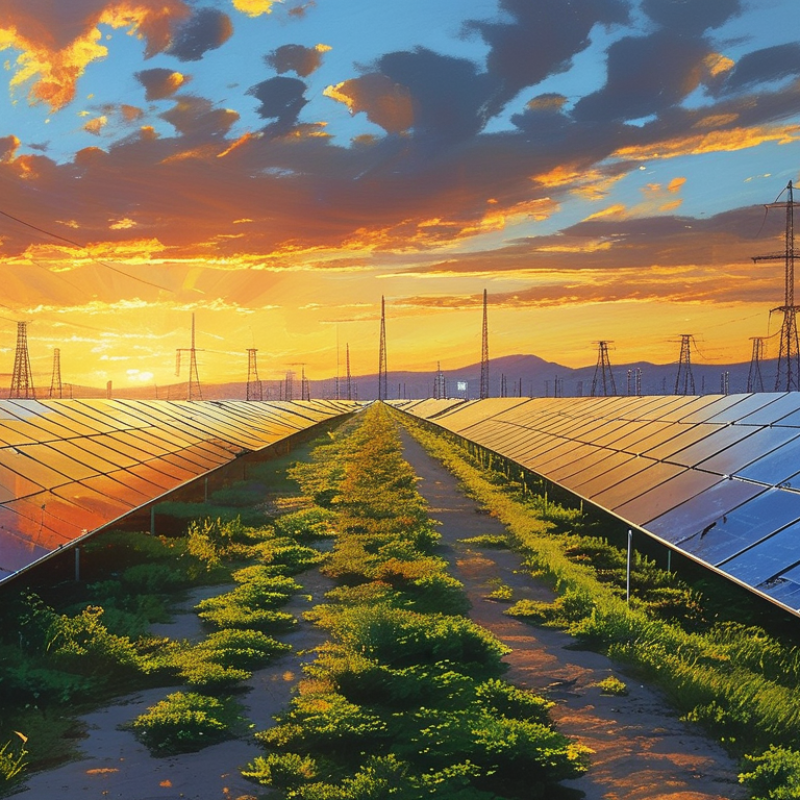
Understanding Solar Power Substations and Their Importance
Solar power substations play a crucial role in the transition to renewable energy. They convert and distribute electricity from solar farms to the grid. According to a report by the National Renewable Energy Laboratory, solar power accounted for about 3.2% of total U.S. electricity generation in 2021. This percentage is growing steadily. Substations help in managing this growth efficiently.
Building a solar power substation requires understanding its components and functions. The equipment includes transformers, switchgear, and protection devices. These systems ensure reliability and safety. However, challenges exist. For instance, integrating large-scale solar energy into existing grids can be complex. A paper from the International Energy Agency highlighted that grid stability is a significant concern when scaling renewable energy sources.
Investing in solar substations involves significant costs and planning. The estimated cost for building one can vary widely, from $2 million to over $10 million per megawatt capacity. Proper site analysis and community engagement are essential. Failure to address local needs can lead to resistance and project delays. Balancing technical requirements with community insights remains a critical point of focus.
How to Build a Solar Power Substation in 2026? - Understanding Solar Power Substations and Their Importance
| Dimension |
Value |
| Location |
California, USA |
| Estimated Capacity |
50 MW |
| Construction Start Date |
March 2026 |
| Expected Completion Date |
December 2026 |
| Main Components |
Inverters, Transformers, Switchgear |
| Connection Voltage |
34.5 kV |
| Grid Interface |
Regional Utility Grid |
| Environmental Impact Assessment |
Completed |
| Estimated Cost |
$40 million |
| Regulatory Approvals |
Pending |
Assessing Site Selection Criteria for Solar Power Substations
When considering site selection for a solar power substation, multiple factors come into play. Terrain plays a crucial role. Flat, stable ground allows for easier construction and maintenance. Selecting sites near existing utility infrastructure can reduce costs. Access to reliable transportation for materials is essential.
Environmental impact is another key consideration. Conducting thorough ecological assessments is necessary. Protecting local wildlife and vegetation should be a priority. Favor sites that will have minimal disruption to local ecosystems.
Proximity to energy demand hotspots is vital. Substations must efficiently deliver energy where it’s most needed. Areas with growing populations often require more capacity. Balancing these factors isn't easy. Each site presents unique challenges. Continuous reflection on site selection criteria is needed to ensure effective long-term planning.
Designing the Solar Power Substation: Key Components and Layout
Designing a solar power substation requires careful consideration of its key components. The main elements include transformers, inverters, and protective devices. Each component plays a vital role in converting and distributing electrical energy. Transformers adjust voltage levels for efficient transmission. Inverters convert direct current from solar panels to alternating current. This conversion is essential for compatibility with the electrical grid.
The layout of the substation should prioritize safety and accessibility. Positioning equipment for easy maintenance is crucial. Consider space for future expansion. Grounding systems are essential to prevent electrical hazards. It’s also important to assess environmental impact. The location should minimize disruption to wildlife and local communities.
A reliable substation design can be complex and might present challenges. Adapting to local regulations may require adjustments in design. Collaboration with experts in energy systems can enhance reliability. However, continuous learning from mistakes is vital for improvement. Each project presents unique obstacles that warrant reflection and adjustment. This iterative process is crucial for developing effective solar power infrastructure.
Navigating Regulatory and Permitting Processes for Construction
Building a solar power substation in 2026 requires careful navigation through regulatory and permitting processes. Understanding local and federal laws is crucial. Each state has its own requirements, making research essential. Engaging with local agencies early can ease many hurdles. Visit their offices and request guidance on specific rules.
Gathering all necessary documentation takes time. Design plans, environmental impact assessments, and community impact studies are key. Missing a minor detail can lead to significant delays. Collaborate with experienced project managers who understand the permitting process well. They can identify potential pitfalls before they arise.
Community engagement is also vital. Hosting informational meetings can foster goodwill. Local residents may have concerns about aesthetics or environmental impact. Addressing these early can avert opposition later. Careful planning and open dialogue create a smoother path forward. Each step demands attention and dedication, ensuring that no detail slips through the cracks.
Implementing Safety Standards and Best Practices During Construction
Building a solar power substation demands strict attention to safety standards. Construction sites are inherently risky places. Workers face potential hazards from heavy equipment, electrical installations, and environmental conditions. Implementing comprehensive safety protocols is vital to preventing accidents and ensuring a smooth workflow.
Training workers on safety practices is the first step. They must understand the risks they face daily. Regular drills and updates on safety gear usage help reinforce this knowledge. Additionally, having safety officers on-site ensures immediate response to any potential dangers. Equipment should undergo frequent inspections, and maintenance records should be meticulously kept, even when time is tight.
Despite these measures, mistakes can happen. Sometimes, overlooked details can lead to costly delays. Communication gaps often heighten these issues. As the project progresses, it's crucial to assess these risks continually. Holding safety meetings to reflect on potential hazards leads to a more prepared team. Building a solar power substation isn't just about installation; it's about cultivating a culture of safety and accountability.




 Claire
 Mr.Fu
Mr.Fu

 Claire