What is an Ats Electrical Panel and How Does it Work?
The ATS Electrical Panel is a crucial component for any modern electrical system. It provides automatic transfer of power during outages. Reports show that ATS systems can minimize downtime by up to 80%. This is critical for businesses where continuous operation is essential.
Understanding how an ATS Electrical Panel works is vital for electrical engineers and facility managers. These panels can handle various loads, ensuring that essential equipment remains powered. According to industry standards, proper installation and maintenance can enhance a system’s reliability. Many organizations overlook this, leading to costly consequences.
In practice, an ATS Electrical Panel requires careful setup and monitoring. Failure to do so can lead to system failures or inefficient power management. Companies must invest in training and resources. This ensures that teams can effectively respond to any issues. The need for trained professionals in this area continues to grow as technology evolves.
What is an ATS Electrical Panel?
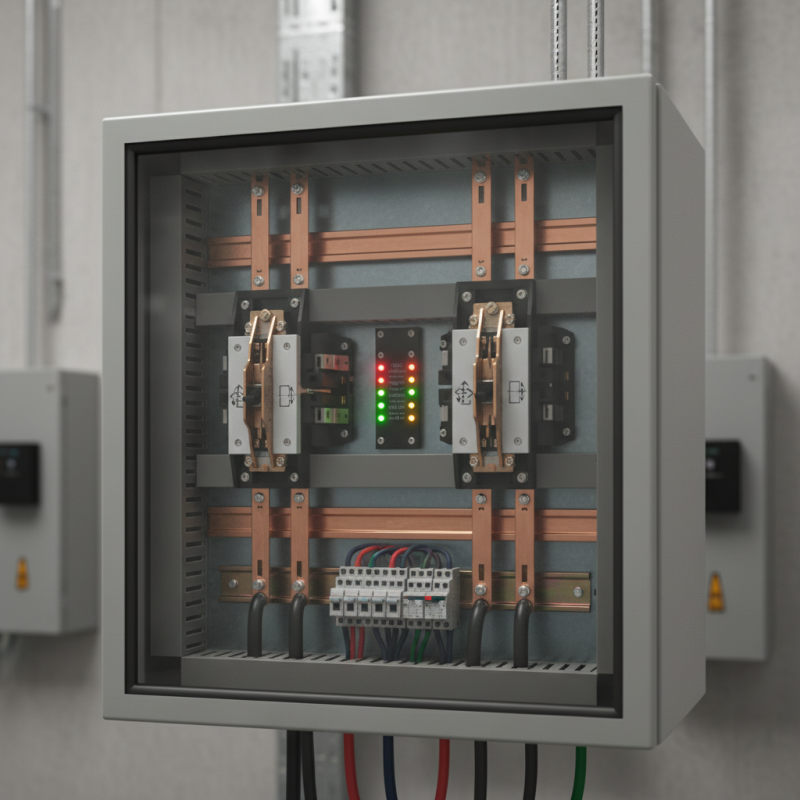
An ATS (Automatic Transfer Switch) electrical panel plays a crucial role in power management. It ensures a reliable power supply during outages by seamlessly switching between the primary power source and a backup generator. This is especially beneficial for homes and businesses that rely on uninterrupted electricity.
The ATS panel constantly monitors the main power supply. When a disruption occurs, it automatically disconnects from the main grid. The backup generator starts running within seconds. This quick transition minimizes downtime, which is critical for sensitive operations. However, the effectiveness of an ATS depends on proper sizing and installation. If not installed correctly, it may lead to delays during power failure.
Many users overlook routine maintenance of ATS panels. Regular inspections can prevent unexpected failures. Components can wear out over time, and without maintenance, the system may not operate as intended during an outage. It's important to prioritize both quality installation and ongoing upkeep for optimal reliability.
Electricity Usage by ATS Electrical Panels
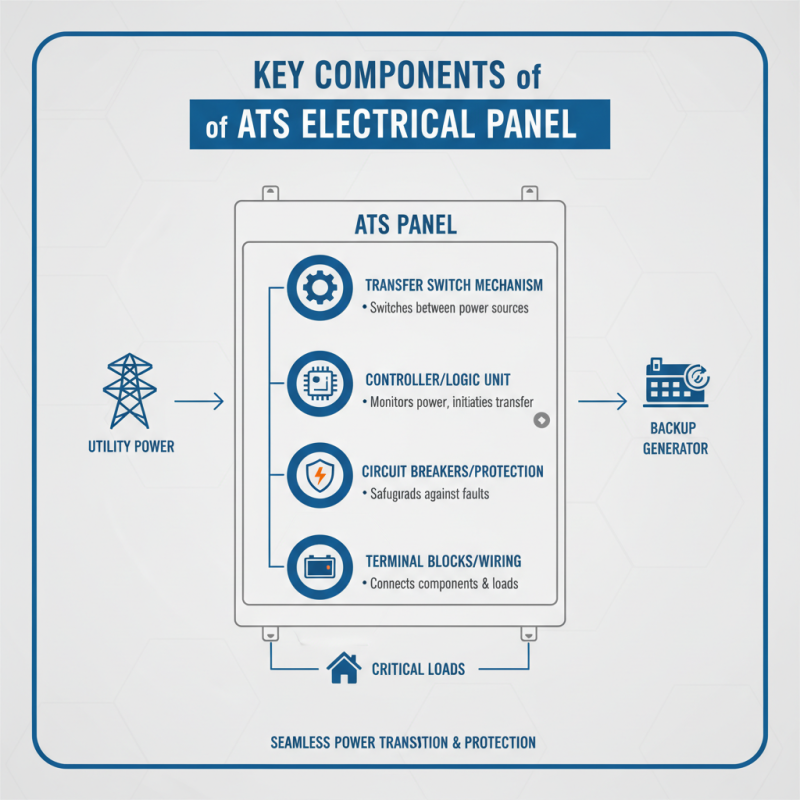
Key Components of an ATS Electrical Panel
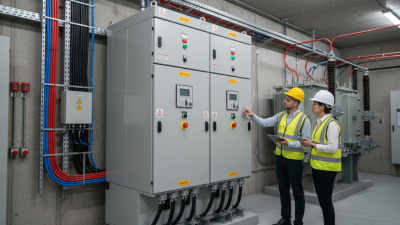
An ATS electrical panel, or automatic transfer switch panel, plays a crucial role in power management. It enables a seamless transition between utility power and backup generators. Understanding its key components is vital for effective operation.
One of the main components is the transfer switch itself. This device detects power loss and automatically switches to backup sources. It ensures minimal downtime, crucial for critical infrastructures like hospitals. Another important part is the control panel, which houses the logic and sensors. It provides real-time monitoring and diagnostics, contributing to reliability.
Additionally, circuit breakers are essential for safety. They protect against overloads and short circuits. Maintaining these components requires regular inspections. Sometimes, issues arise, leading to unexpected failures. Keeping the ATS panel in optimal condition can be challenging but is necessary for dependable power management.
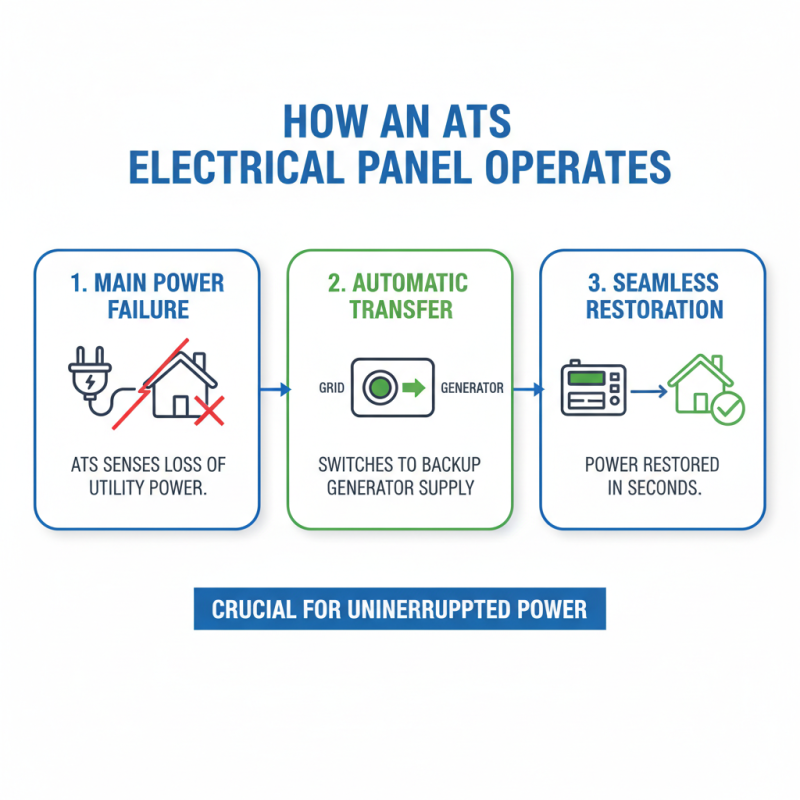
How an ATS Electrical Panel Operates
An ATS (Automatic Transfer Switch) electrical panel is crucial for managing power supply. It senses when the main power source fails. Within seconds, it transfers power to a backup generator. This seamless transition is vital for homes and businesses. Without it, power loss can result in disruptions.
The operation of an ATS panel is straightforward. It continuously monitors the electrical supply. When it detects a failure, it sends a signal to start the generator. Once the generator is running, the ATS switches the load to the backup source. This process typically happens in less than a minute. However, not all systems are foolproof. Regular maintenance is essential. Issues may arise, such as incorrect voltage readings or delayed switchovers.
Understanding the limitations is important. Some systems may lack adequate power for all devices. This may lead to critical failures in high-demand situations. Users should regularly test their ATS units. Make sure your system meets power needs accurately. Enhancing reliability requires professional assessment.
Benefits of Using an ATS Electrical Panel
An ATS (Automatic Transfer Switch) electrical panel is essential for many businesses and homes. Its primary purpose is to ensure a seamless transition between different power sources, particularly during outages. This automatic switching function is crucial for maintaining operations in critical environments, such as hospitals and data centers.
The benefits of using an ATS electrical panel are significant. One key advantage is reliability. It minimizes downtime by instantly shifting to a backup generator. This is vital for businesses that cannot afford interruptions. Additionally, it enhances safety by reducing manual intervention. Operators can avoid potential hazards when switching power sources. A well-designed ATS can also be more cost-effective over time. However, installation and maintenance require skilled professionals to ensure optimal performance.
Despite its advantages, some challenges exist. Initial setup costs can be daunting for smaller companies. Furthermore, regular upkeep is necessary to avoid failures during a power outage. Users must assess their needs closely. A comprehensive understanding of power demands can lead to a more informed decision on the right ATS for their situation.
What is an ATS Electrical Panel and How Does it Work? - Benefits of Using an ATS Electrical Panel
| Feature |
Description |
Benefits |
| Automatic Transfer Switch |
A device that automatically switches the electrical load between two or more sources. |
Ensures uninterrupted power supply during outages. |
| Control Mechanism |
Uses sensors to monitor the main power source. |
Allows for quick response to power fluctuations. |
| Load Management |
Distributes the load according to priorities set by the user. |
Helps optimize energy consumption efficiently. |
| Safety Features |
Includes circuit breakers and protective relay functions. |
Reduces risks of electrical hazards. |
| Monitoring Systems |
Integrated monitoring and diagnostic features. |
Facilitates early detection of issues, improving maintenance. |
Common Applications of ATS Electrical Panels
Automatic Transfer Switch (ATS) electrical panels are essential for maintaining power stability. They seamlessly manage electrical supply during transitions between utility power and backup generators. Common applications of ATS panels are critical in various sectors. Hospitals rely on ATS panels to ensure that life-support systems remain operational. In such environments, any power interruption can have dire consequences.
Data centers also depend on ATS panels. These facilities require constant power to manage sensitive operations. An unprecedented outage could lead to data loss or system failures. Organizations invest in ATS technology to mitigate these risks. Yet, the installation and maintenance can be complex, requiring skilled technicians.
Residential applications are emerging as well. Homeowners are increasingly using ATS panels to enhance backup power solutions during outages. However, not every home needs this complexity. Evaluating power requirements is key to determining necessity. Understanding the right applications of ATS panels ensures they serve their purpose effectively, though misjudgments in installation may lead to inefficiencies.





 Claire
 Mr.Fu
Mr.Fu

 Claire