





 Claire
 Mr.Fu
Mr.Fu

 Claire



Weekly Science Byte: Why Does a Current-Carrying Wire Generate a Magnetic Field?
Phenomenon Discovery: Starting with Oersted's Experiment
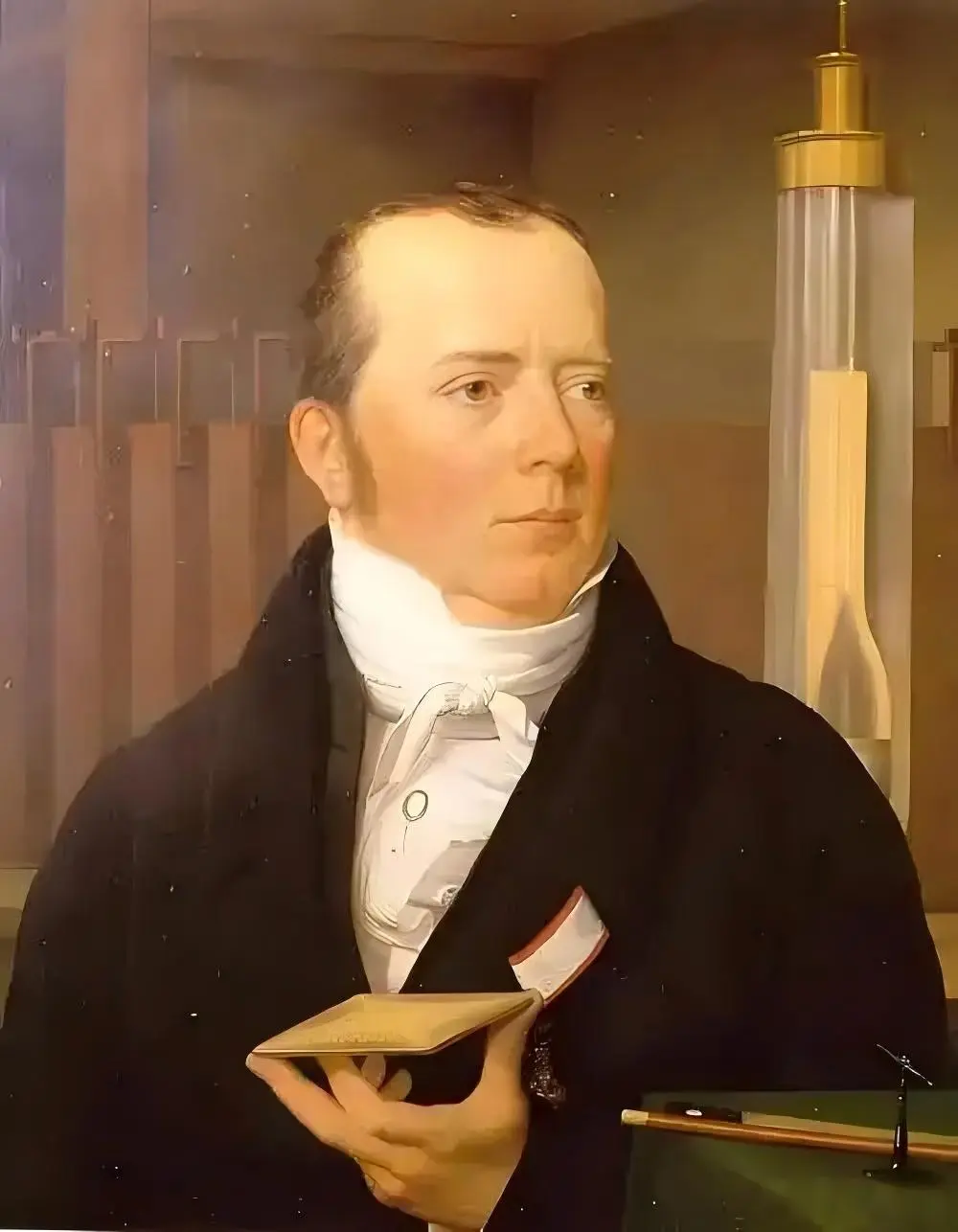
A current-carrying wire generates a magnetic field around it—a fundamental physical phenomenon first conclusively demonstrated by Danish physicist Hans Christian Oersted in 1820. In his classic experiment, when an electric current flowed through a wire, a parallel compass needle placed beneath it deflected. This directly proved the magnetic effect of electric current, established the intrinsic link between electricity and magnetism, and ushered in a new era of electromagnetism research.
Theoretical Core: Ampère's Law & the Right-Hand Rule
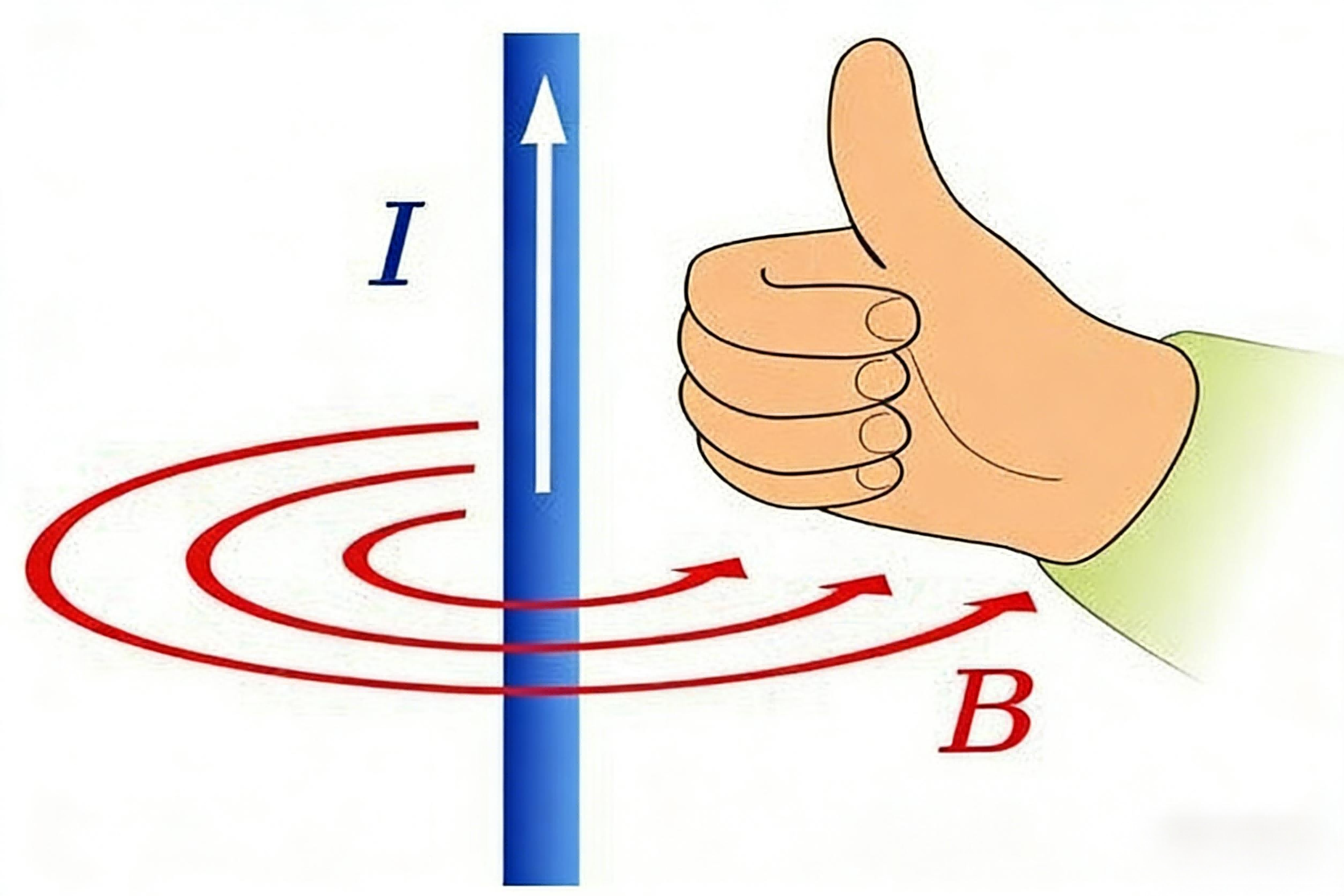
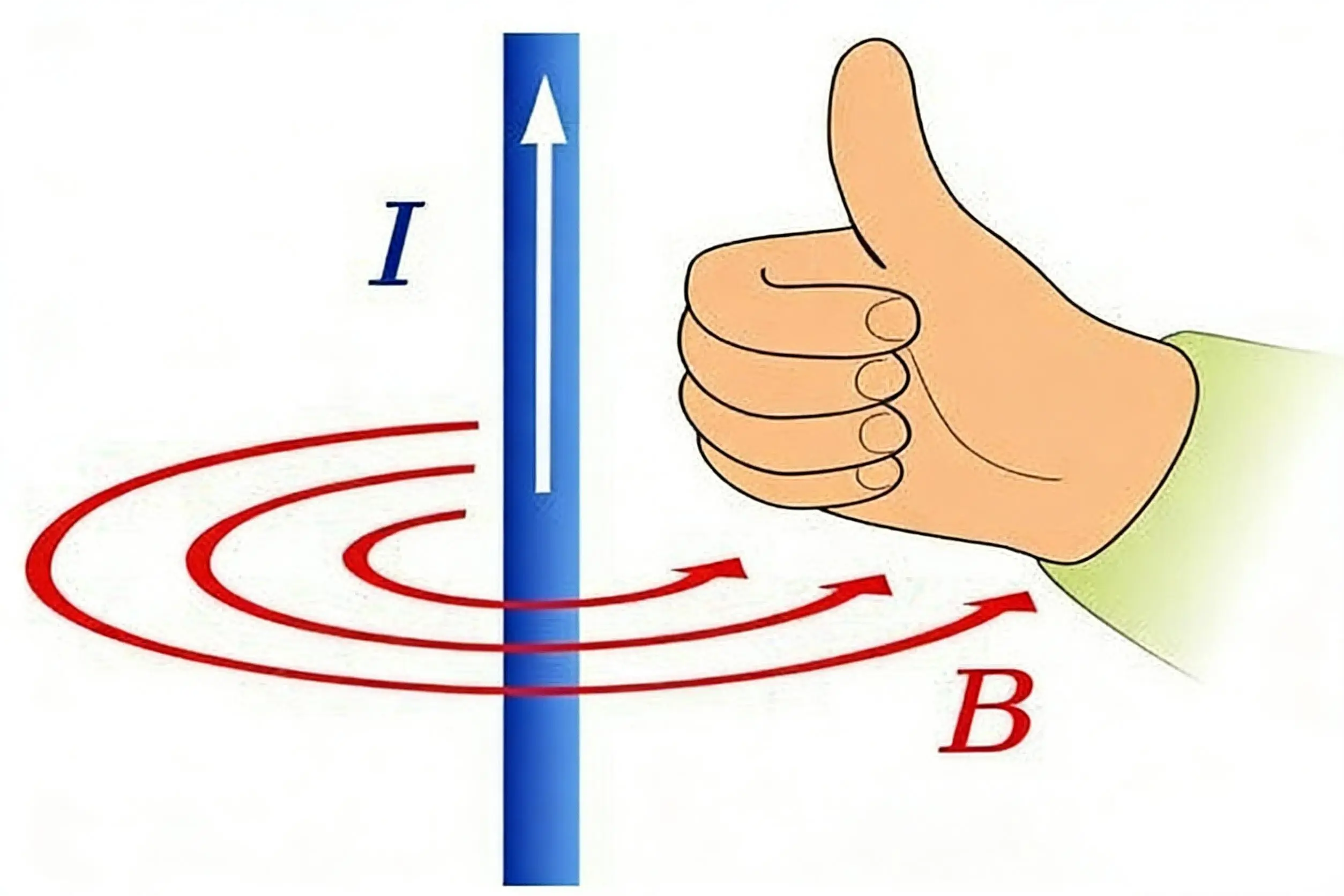
André-Marie Ampère subsequently described this relationship precisely in mathematical language with Ampère's Circuital Law: the line integral of the magnetic field around any closed loop is proportional to the total current passing through the loop. For an infinitely long straight wire, the surrounding magnetic field forms concentric circles, and its direction can be determined by the simple Right-Hand Rule: grasp the wire with your right hand, thumb pointing in the direction of the conventional current; your curled fingers then point in the direction of the magnetic field lines. This is the foundation for quantitatively calculating and understanding magnetic fields generated by currents.
Microscopic Explanation & Macroscopic Manifestation
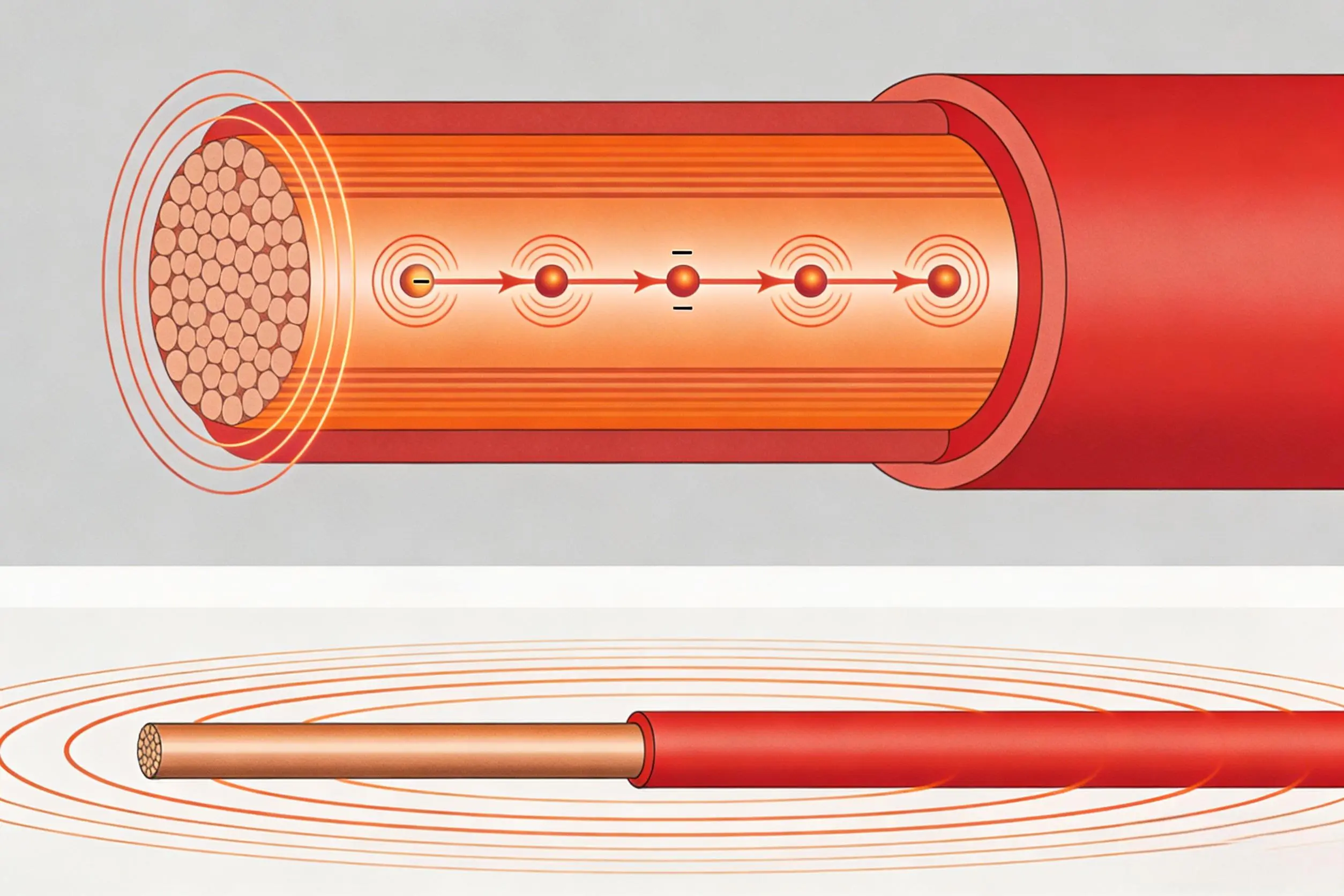
From a microscopic perspective, the magnetic field originates from the motion of electric charges. When a wire carries a current, the directional drift of free electrons within it forms the current. According to electromagnetism principles, each moving charge generates a magnetic field around itself. Although the wire is overall electrically neutral, the tiny magnetic fields produced by the vast number of co-directionally moving electrons constructively superimpose in the space outside the wire, forming the detectable macroscopic magnetic field. Its strength is directly proportional to the current magnitude and inversely proportional to the distance, while its distribution depends on the geometry of the conductor (straight wire, loop, solenoid, etc.).
Modern Unification: Interpretation by Maxwell's Equations
Within the grand framework of electromagnetic theory established by James Clerk Maxwell, the phenomenon of a current-carrying wire generating a magnetic field is perfectly incorporated into his equations. Specifically, the Ampère-Maxwell Law states that a magnetic field can be produced not only by a conduction current (the current in the wire) but also by a changing electric field. This law is central to describing time-varying electromagnetic fields. It unifies and elevates the discoveries of Oersted and Ampère, revealing that electric and magnetic fields are two inseparable aspects of the same electromagnetic field: a changing electric field generates a magnetic field, and a changing magnetic field generates an electric field. They mutually induce each other, giving rise to electromagnetic waves.

About Us:
Mingri Electric Co., Ltd. is a leading provider of high-quality electrical components and solutions, specializing in switchgear,circuit breakers,switches, etc. We are dedicated to delivering innovative products that meet the evolving needs of the global power industry.