





 Claire
 Mr.Fu
Mr.Fu

 Claire

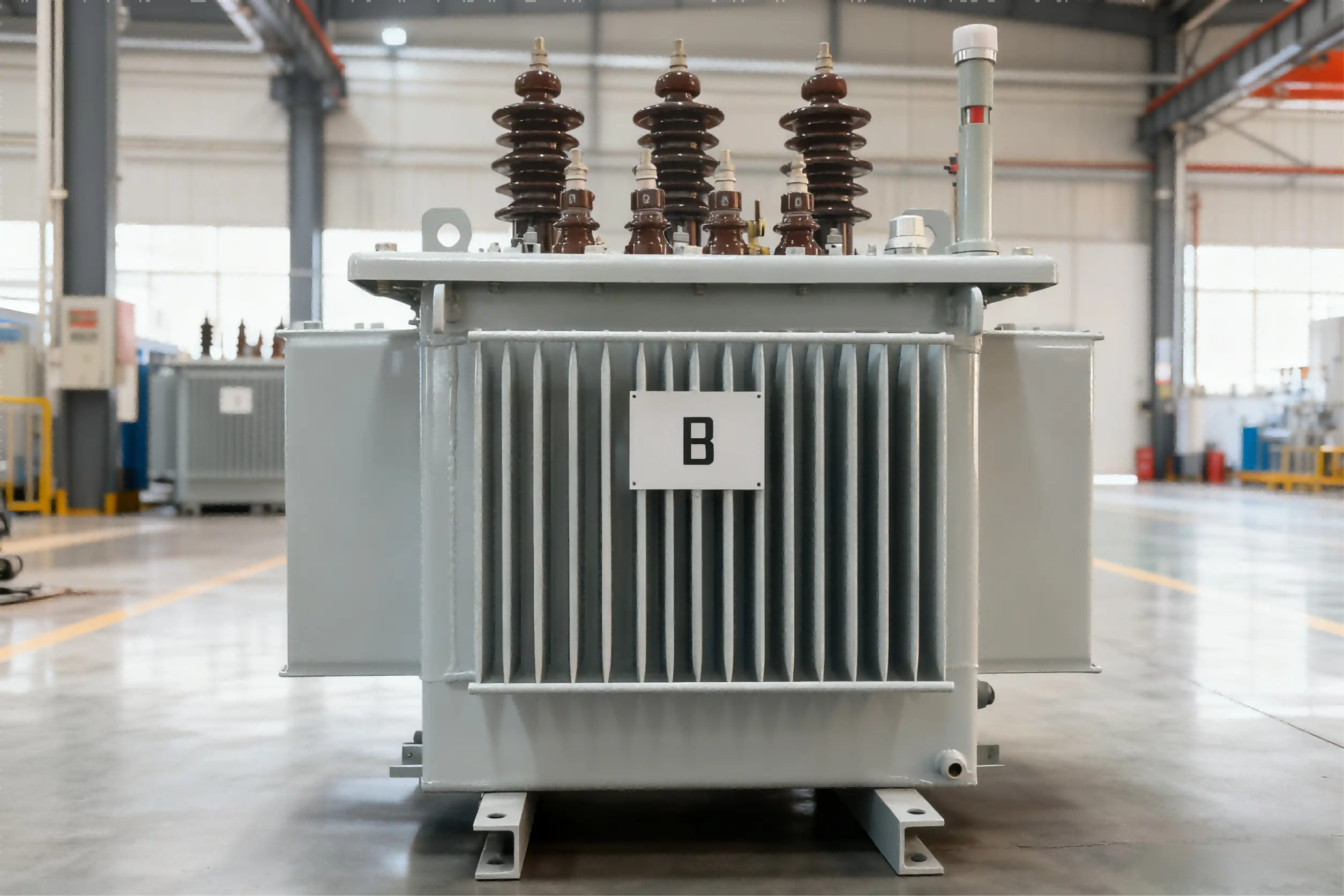
Understanding Ring Main Units: A Comprehensive Guide to Their Classification
Ring Main Units (RMUs) are essential components in modern electrical distribution networks, ensuring reliable power supply to residential, commercial, and industrial areas. These compact switchgear units are designed to protect and control electrical circuits in a ring main system, enhancing efficiency and safety. RMUs are categorized based on several key factors, including insulation type, switching technology, and installation environment.
1. Classification by Insulation Type
RMUs are primarily divided into two types based on insulation:
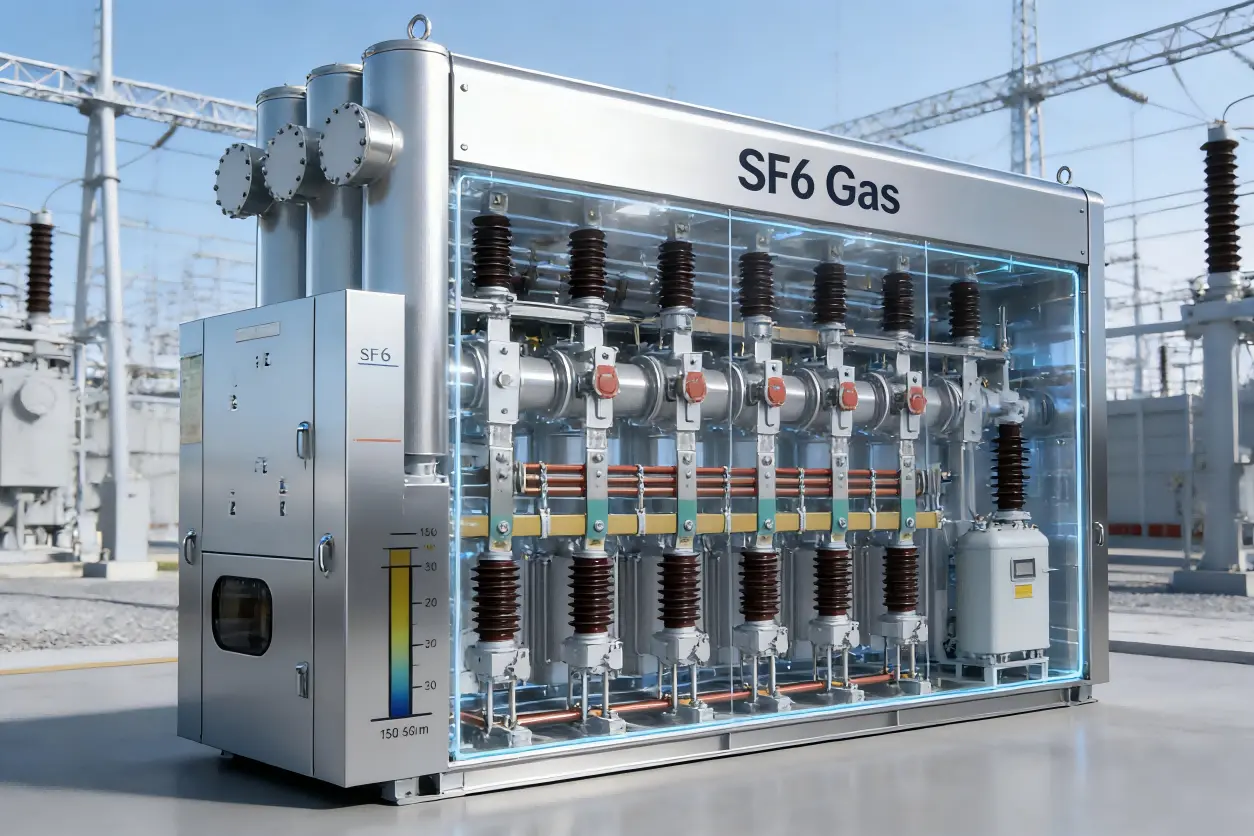
Gas-Insulated RMUs (GIS): These units use sulfur hexafluoride (SF₆) gas for insulation, which offers excellent dielectric properties and arc-quenching capabilities. They are compact, suitable for urban installations, and require minimal maintenance.
Air-Insulated RMUs (AIS): These rely on air as the primary insulating medium. While bulkier than gas-insulated units, they are cost-effective and environmentally friendly, as they do not use SF₆ gas.
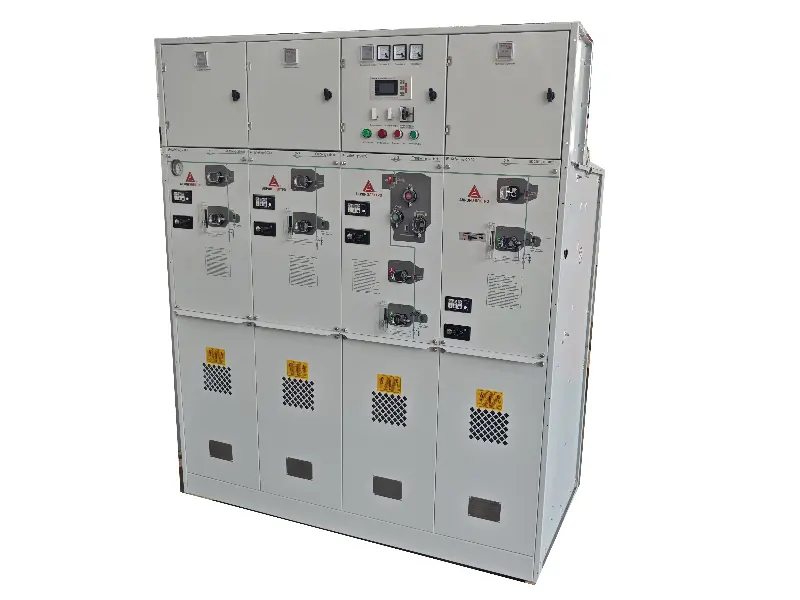
2. Classification by Switching Technology
RMUs can also be classified based on their switching mechanisms:
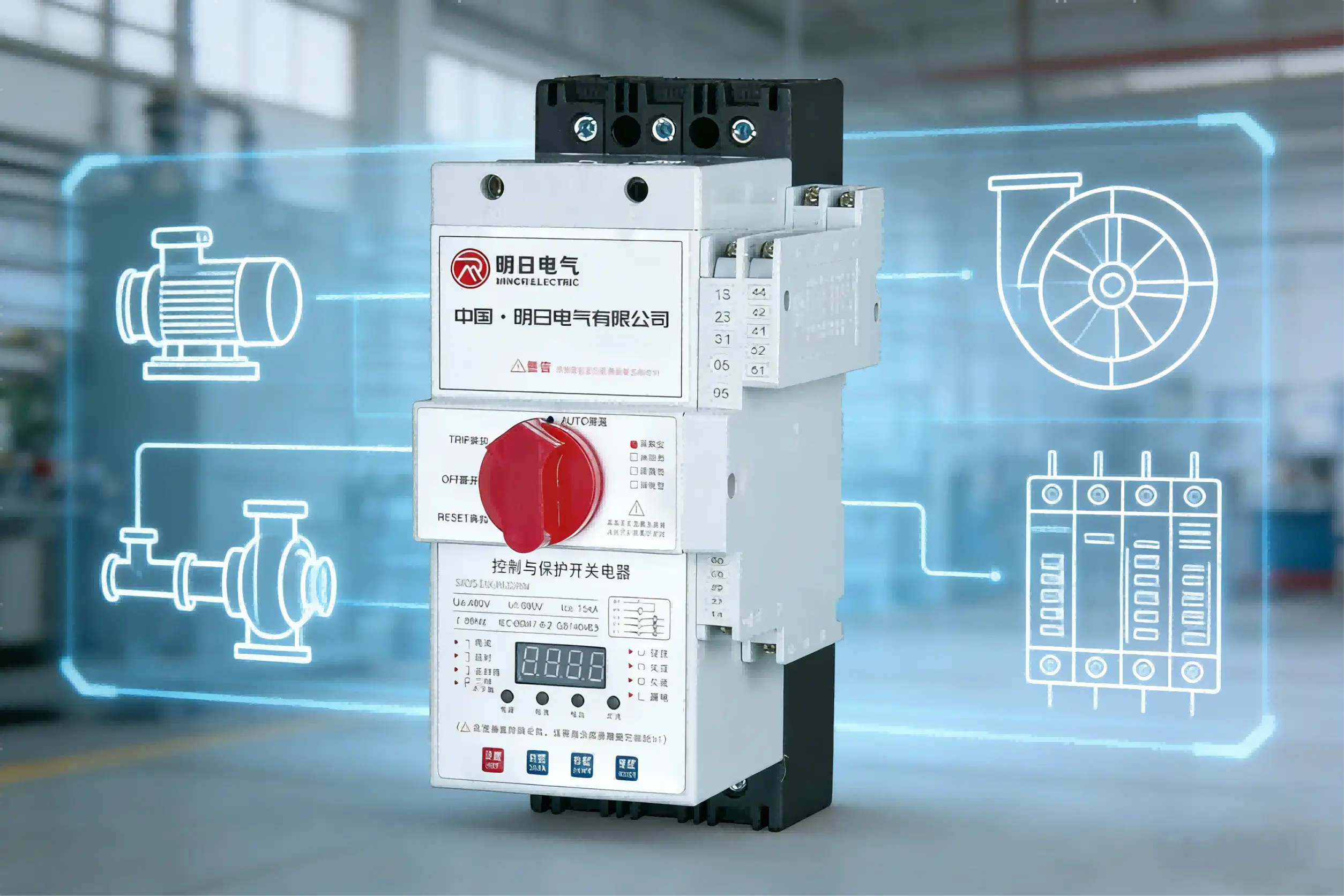
Load Break Switch (LBS) RMUs: Designed for normal load current switching, these are commonly used in distribution networks where frequent operations are required.
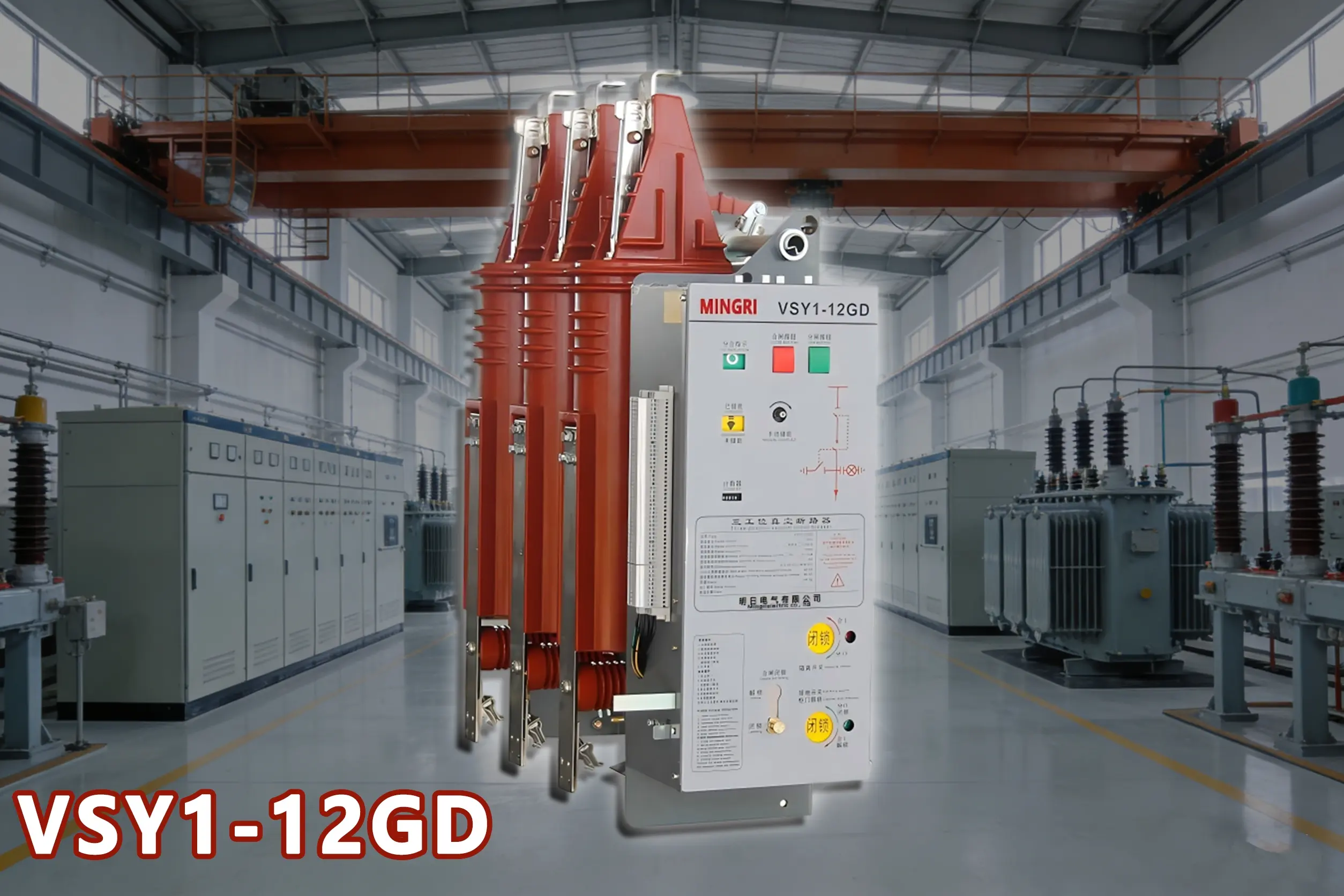
Vacuum Circuit Breaker (VCB) RMUs: Equipped with vacuum interrupters, these units handle higher fault currents and provide better protection for critical applications.
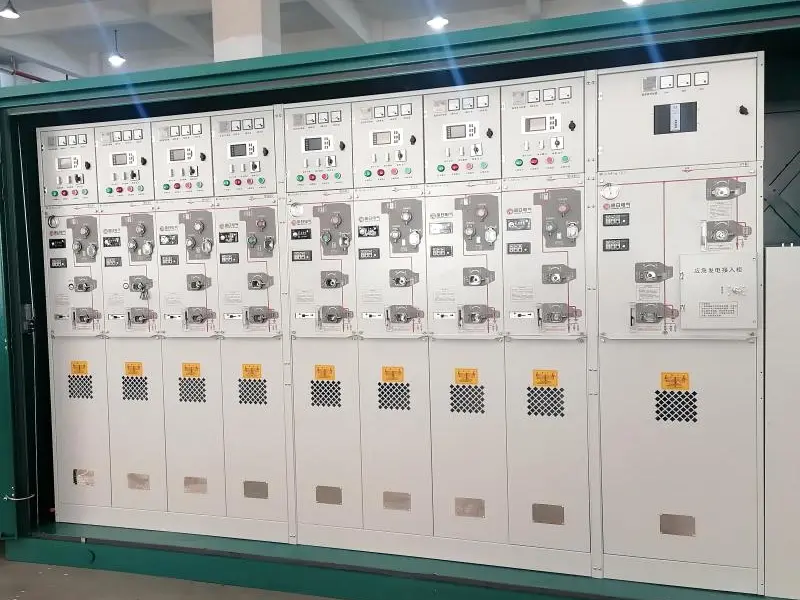
3. Classification by Installation Environment
Depending on where they are deployed, RMUs fall into two categories:
Indoor RMUs: Built for controlled environments, these units are often used in substations or commercial buildings.
Outdoor RMUs: Designed to withstand harsh weather conditions, these are typically pole-mounted or ground-mounted in rural or industrial settings.
Conclusion
Ring Main Units play a vital role in maintaining uninterrupted power distribution. By understanding their classification—whether by insulation type, switching technology, or installation environment—engineers and utilities can select the most suitable RMU for their specific needs. As technology advances, RMUs continue to evolve, offering greater efficiency, safety, and adaptability to modern power systems.