





 Claire
 Mr.Fu
Mr.Fu

 Claire

Circuit Breaker Trip Types: The Secret Guardians in Your Switchboard
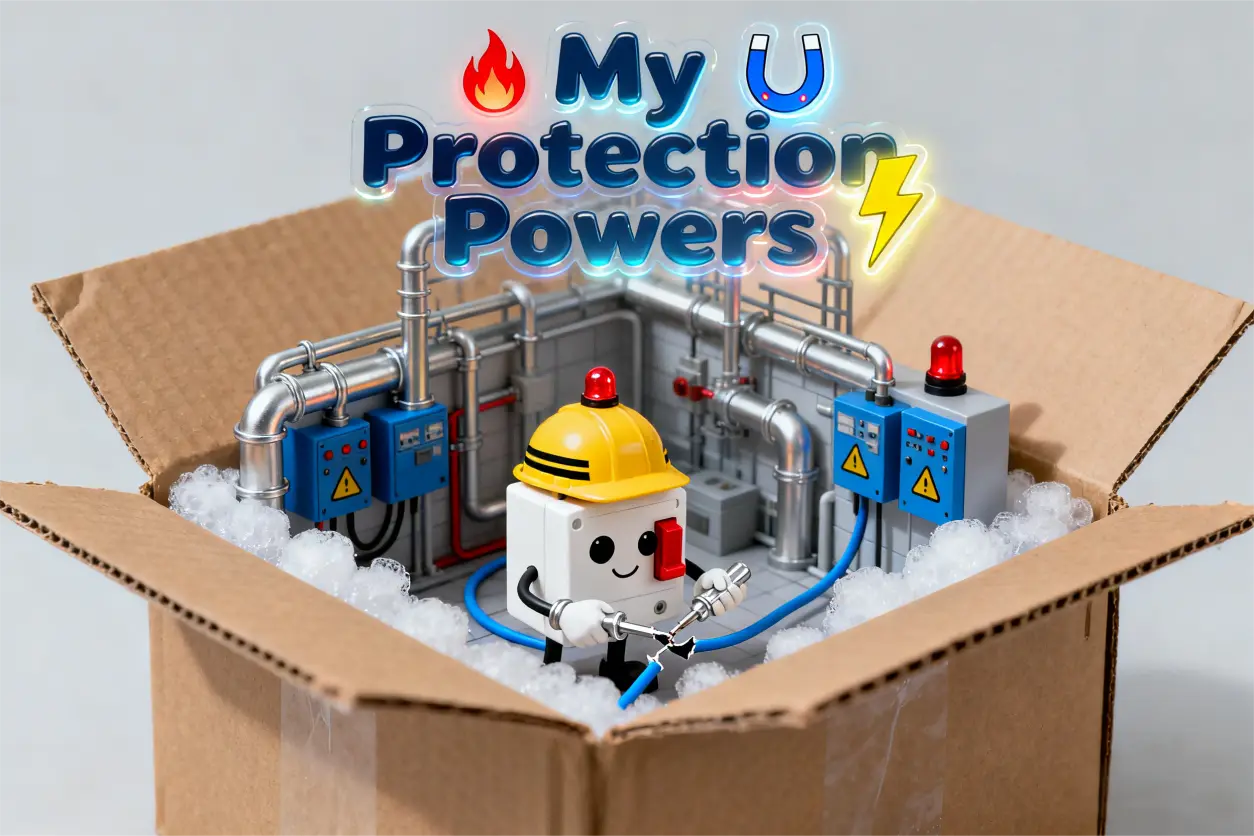
Thermal Trip: The Patient Overload Detective
Imagine a tiny metal strip inside your breaker. When you plug in too many devices, excess current flows, just like overworking a muscle. This current heats up the "bimetallic strip." Made of two metals bonded together, they expand at different rates when heated, causing the strip to bend. This slow, deliberate bending is like a detective gathering evidence—once it has enough (overload lasting a while), it trips the breaker to prevent wires from overheating and starting a fire. It's your dedicated protector against slow-burn dangers!
Magnetic Trip: The Lightning-Fast Short-Circuit Hero
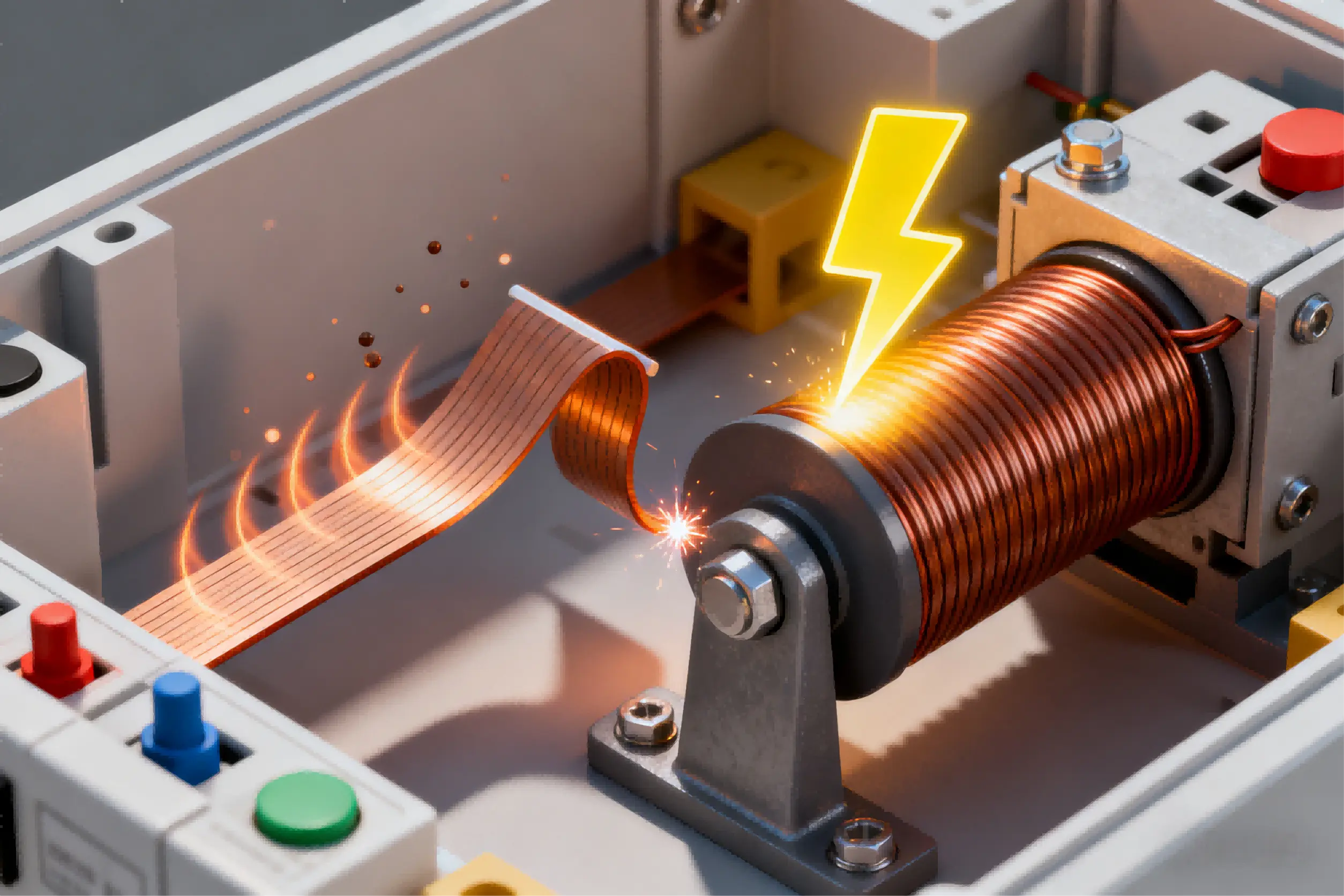
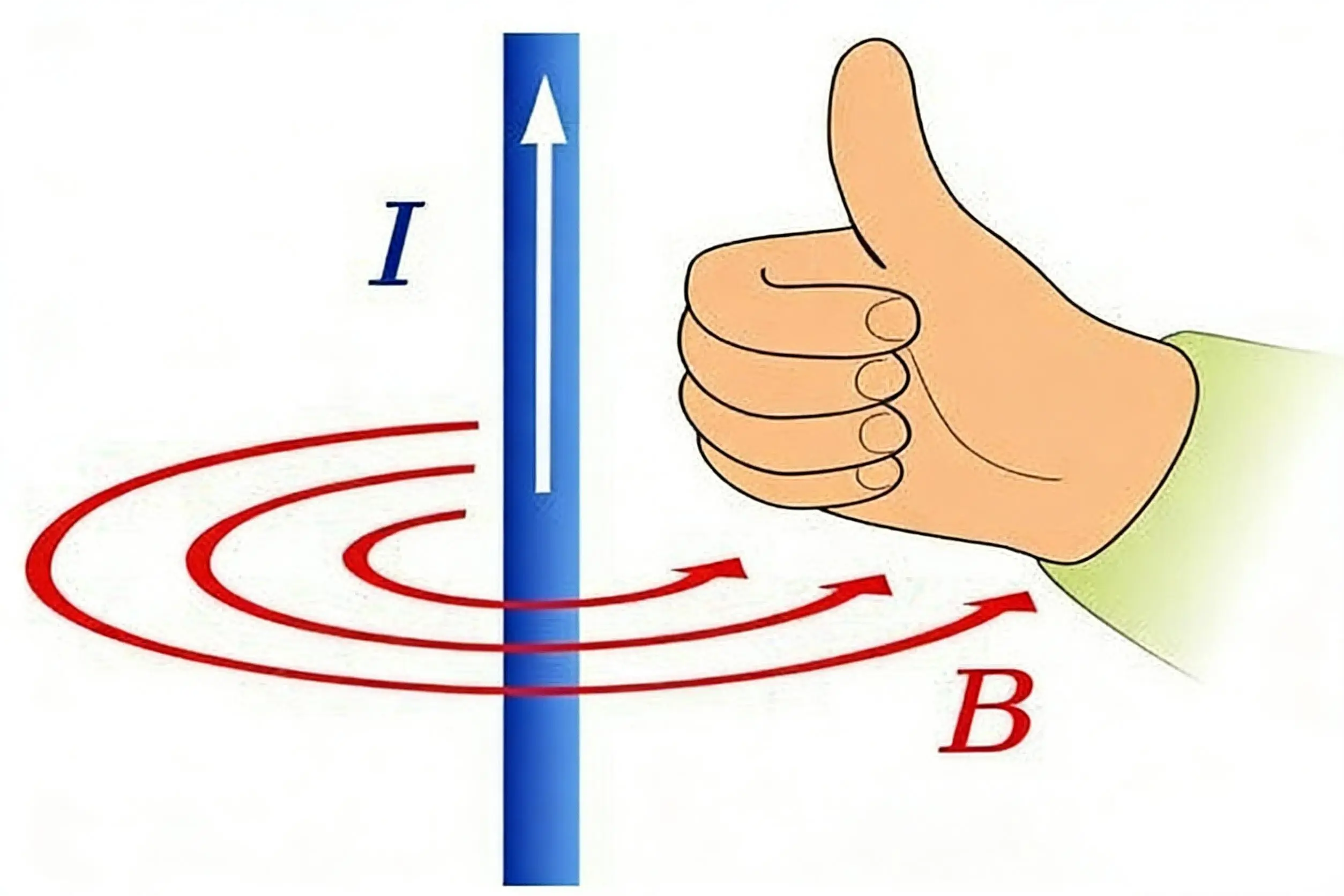
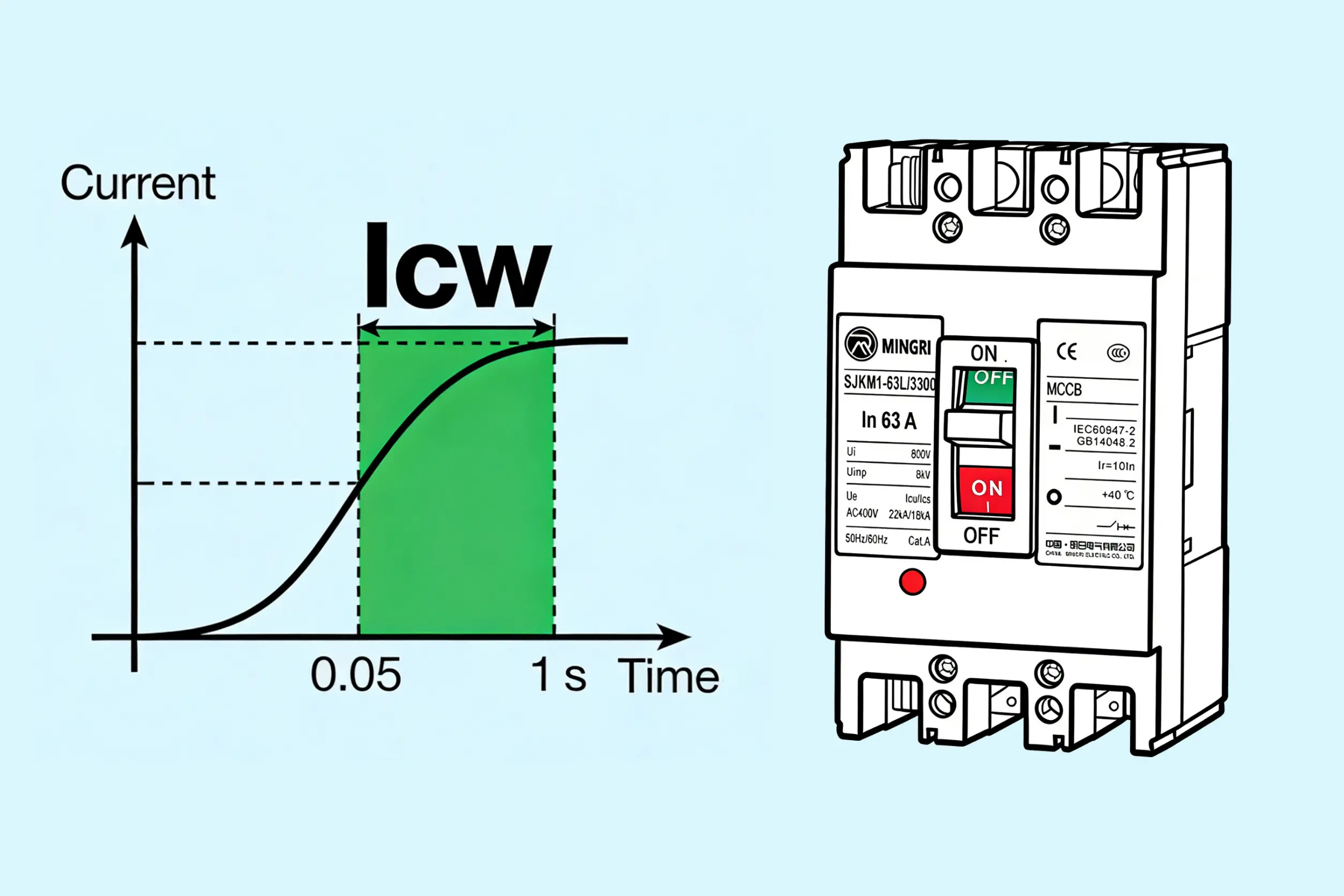
Now, picture a massive, sudden current surge—a short circuit! This is an emergency, and there's no time for heating and bending. Enter the electromagnetic coil. When a huge current (typically 3 to 20 times the normal current) zips through, it generates a powerful magnetic field that instantly yanks an iron core, slamming the breaker open in milliseconds. It's the superhero that reacts at lightning speed to stop catastrophic damage before it even starts.
Thermal-Magnetic Trip: The Dynamic Duo
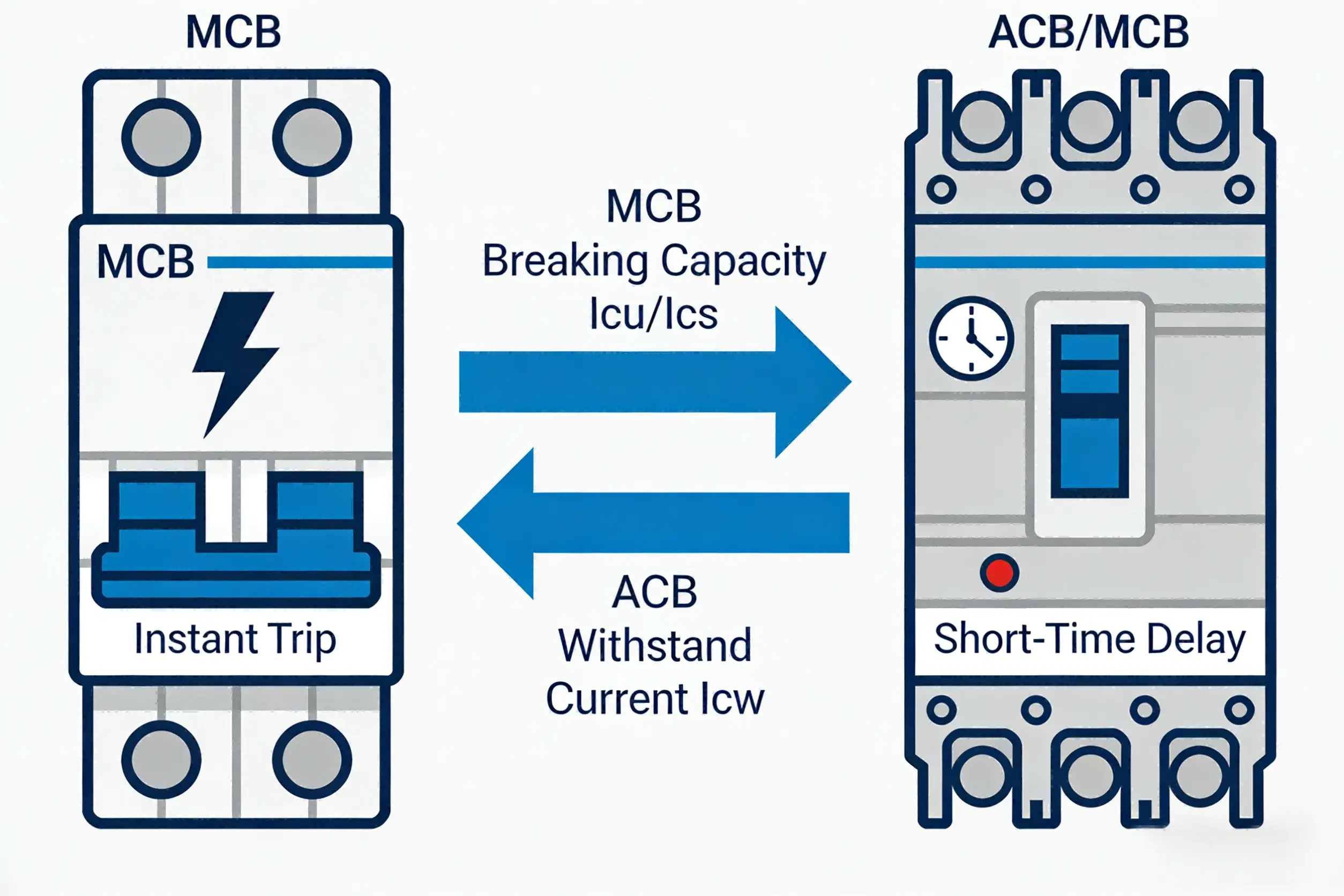
Why choose one when you can have both? The Thermal-Magnetic trip, the most common type in household breakers (MCBs), combines our two heroes. The thermal part handles persistent overloading (like a space heater running for hours), while the magnetic part deals with sudden, violent short circuits. It's the ultimate partnership for comprehensive protection, covering both minor annoyances and major emergencies.
Electronic Trip: The Smart Brain
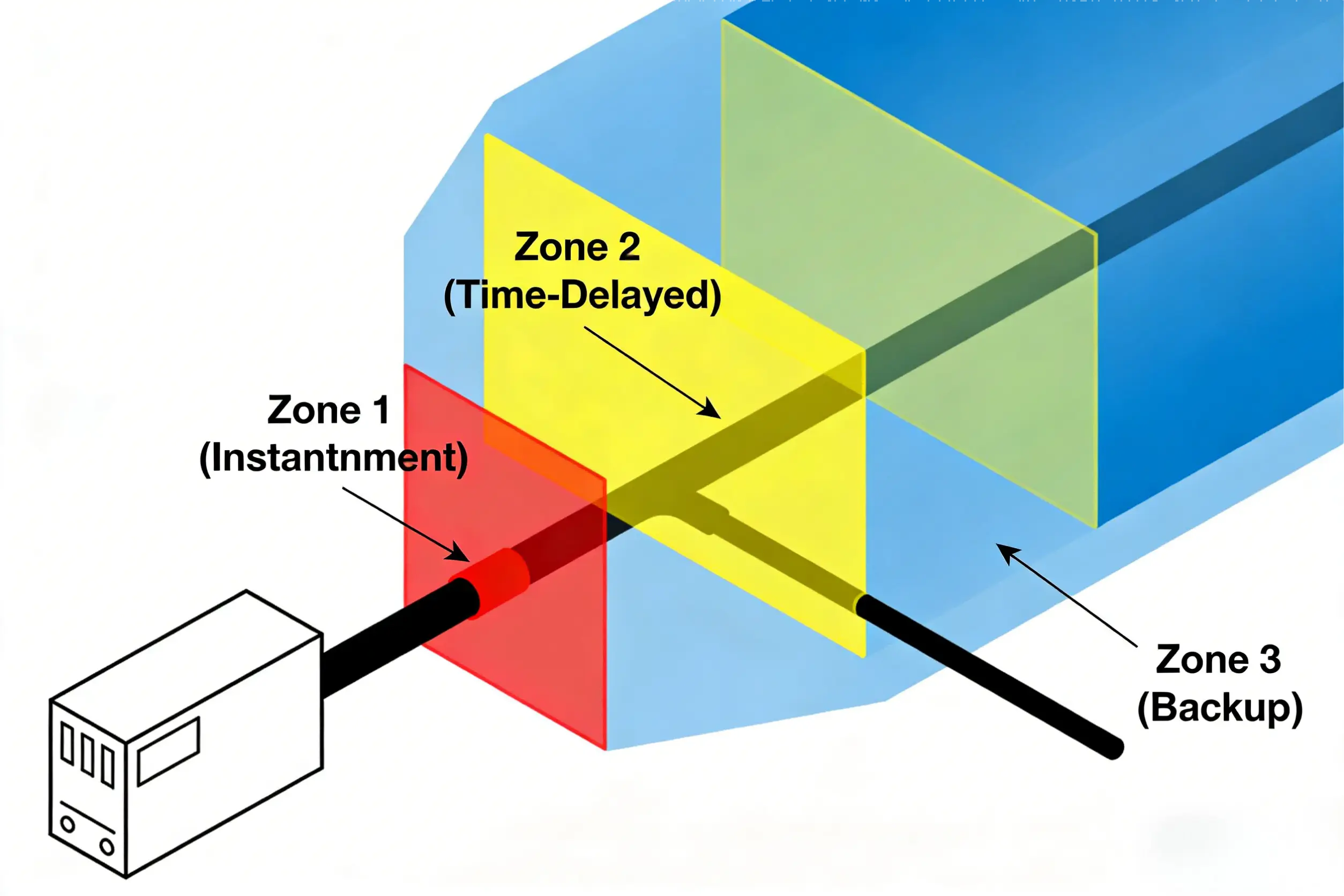
For larger, more complex systems (like in factories or large buildings), we need a smarter guardian. The electronic trip uses microprocessors to constantly analyze current. It's highly customizable, allowing engineers to set precise thresholds for different types of faults—like a slight delay for a temporary surge or an instant trip for a severe short. It can even communicate its status to a central computer, making it the brainy commander of the electrical network.
Undervoltage & Shunt Trip: The Special Ops Team
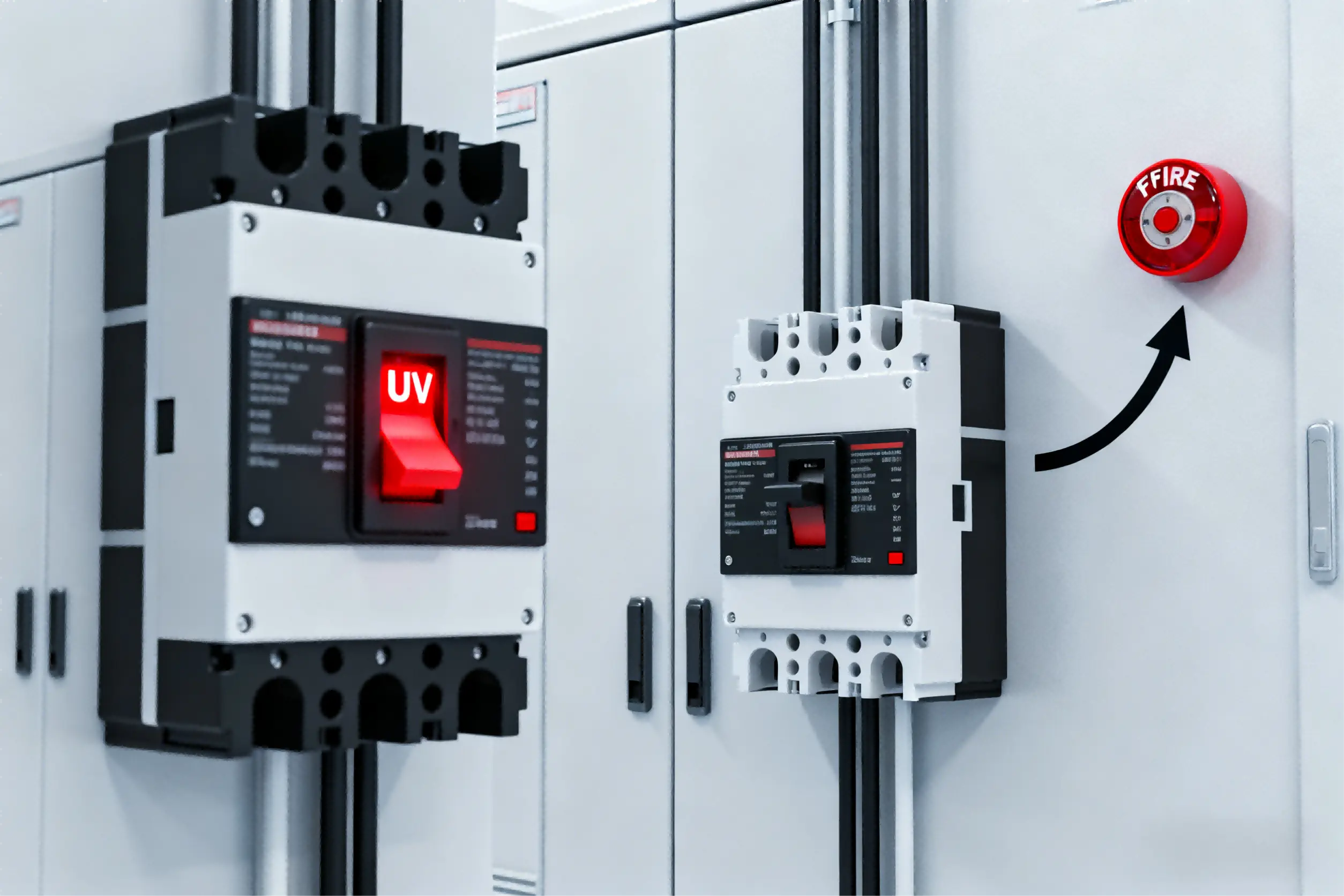
Some situations call for specialized missions. The Undervoltage Release is like a voltage watchdog. If the power supply gets too weak (a "brownout"), it automatically disconnects the circuit to protect sensitive equipment. The Shunt Trip, on the other hand, is a remote-control agent. With a signal from, say, a fire alarm or an emergency button, it energizes a coil to trip the breaker instantly. This is perfect for cutting power to non-essential circuits in an emergency from a safe distance.

About Us:
Mingri Electric Co., Ltd. is a leading provider of high-quality electrical components and solutions, specializing in switchgear,circuit breakers,switches, etc. We are dedicated to delivering innovative products that meet the evolving needs of the global power industry.