- Home
- About Us
- Products
- Download
- News
- Contact Us
Leave Your Message
In the realm of electrical distribution, the RMU Circuit Breaker plays an essential role in ensuring reliability and safety. Designed to manage and protect the electrical circuits within a network, these innovative devices are pivotal in modern energy management systems. As technology advances and the demand for efficient power distribution increases, understanding the key features of RMU Circuit Breakers becomes crucial for engineers and project managers alike.
This article aims to highlight the top ten features of RMU Circuit Breakers that are vital for your projects. By delving into aspects such as operational efficiency, ease of maintenance, and safety mechanisms, we will underscore how these attributes contribute to the overall performance of electrical systems. Whether you are involved in designing, installing, or maintaining electrical infrastructures, being well-acquainted with the features of RMU Circuit Breakers is fundamental. With these insights, you can make informed decisions and ensure that your projects meet both operational excellence and safety standards.
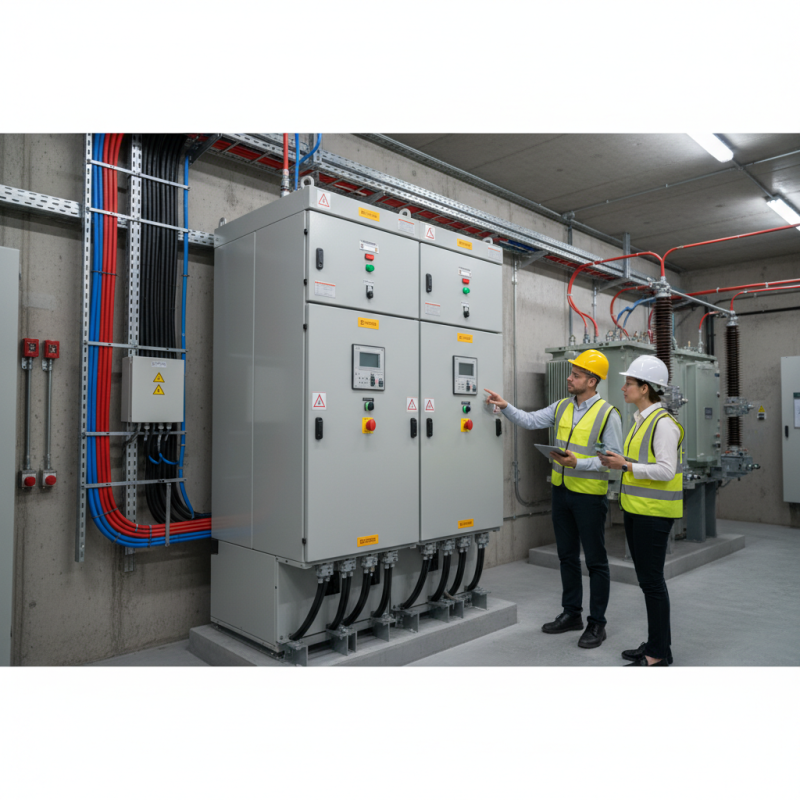
The integration of Ring Main Unit (RMU) circuit breakers into electrical distribution systems has become increasingly essential for ensuring reliability and safety in power management projects. One of the standout features of RMU circuit breakers is their compact design. According to a report by the International Electrotechnical Commission (IEC), RMUs require significantly less installation space compared to traditional setups, making them ideal for urban environments where space constraints are a major consideration.
Another crucial feature is the enhanced safety mechanisms that RMU circuit breakers offer. These units are typically designed with integrated protection against overcurrent and short-circuit conditions, which can prevent damage to both the equipment and the surrounding environment. The Global Industry analytics report indicates that effective circuit protection can reduce outage times by up to 40%, leading to improved operational efficiency and cost savings for businesses. Additionally, their modular architecture allows for easy maintenance and upgrades, ensuring that power systems remain adaptable to emerging technologies and standards. As such, understanding these features can facilitate better decision-making when selecting RMUs for upcoming projects.
| Feature | Description | Benefits |
|---|---|---|
| Compact Design | Space-saving design suitable for limited spaces. | Allows for optimal space utilization in substations. |
| Integrated Protection | Built-in protection relays for overcurrent and earth faults. | Enhances safety and prevents equipment damage. |
| Manual Operation | Easy manual operation for maintenance and testing. | Facilitates quick troubleshooting and system checks. |
| Remote Monitoring | Capable of real-time remote monitoring via communication protocols. | Improves efficiency and reduces downtime with constant status checks. |
| Vibration Resistance | Designed to withstand vibrations in harsh environments. | Increases reliability in industrial settings. |
| Temperature Rating | Operates efficiently across a wide temperature range. | Suitable for various climates and environments. |
| Interlock Mechanism | Safety interlock systems to prevent accidental operation. | Enhances operator safety during maintenance. |
| Modular Design | Modular components for easy upgrades and replacements. | Reduces costs and time for future expansions. |
| Environmental Protection | Designed to meet environmental regulations. | Promotes sustainability in operations. |
| Ease of Installation | Simplified installation process with user-friendly design. | Saves time and reduces labor costs during setup. |
: The primary function of RMU circuit breakers is to provide protection against short circuits and overcurrent conditions, preventing potential damage to electrical infrastructure by isolating faulty circuits.
Insulation resistance ratings are important as they measure the resistance of insulating materials, which helps prevent accidental short circuits and electrical leaks, enhancing safety and reliability in electrical systems.
It is recommended that RMU circuit breakers maintain insulation resistance levels exceeding 1,000 megaohms for reliable operation.
Effective maintenance strategies can extend the lifespan of RMU circuit breakers by up to 30%, reducing the likelihood of unexpected failures and improving reliability.
Lifecycle management involves the complete journey of circuit breakers from installation to decommissioning, including regular inspections, upgrades, and timely replacements to optimize performance and reduce ownership costs.
A well-executed lifecycle management plan can reduce total ownership costs by up to 20% over the lifespan of a circuit breaker, making it crucial for cost-effectiveness in electrical systems.
RMU circuit breakers are designed for compactness and ease of installation, making them suitable for urban settings where space is limited, while also allowing for easy maintenance and upgrades.
Their modular design allows for flexible configurations, and their adaptability promotes efficient operation and reduces downtime during maintenance or upgrades.
RMU circuit breakers facilitate the distribution of electricity safely and reliably, which supports the development of a sustainable energy framework in electrical engineering projects.
The article "Top 10 Rmu Circuit Breaker Features You Should Know For Your Projects" provides a comprehensive overview of essential characteristics that make RMU circuit breakers vital for modern electrical projects. It begins with an understanding of their key functionalities and applications before delving into specific features that enhance safety and efficiency.
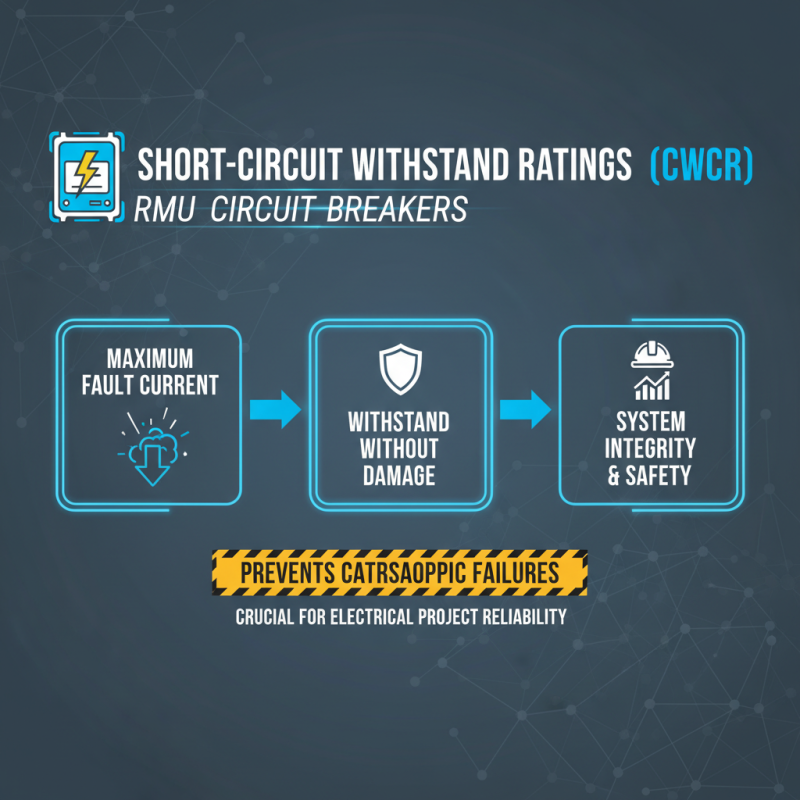
Key features include high insulation resistance ratings for improved safety, and short-circuit withstand ratings which are crucial for preventing system failures. The article also emphasizes the importance of automation compatibility, allowing for the integration of smart technologies into power systems. Additionally, it discusses environmental considerations such as IP ratings, which ensure performance in various conditions, and highlights the significance of maintenance requirements for effective lifecycle management of RMU circuit breakers. This knowledge is invaluable for any engineering project aiming to prioritize safety and operational efficiency.


 Claire
 Mr.Fu
Mr.Fu

 Claire