Leave Your Message

Top 10 Reasons Why You Need an ATS Transfer Switch for Your Power Needs?

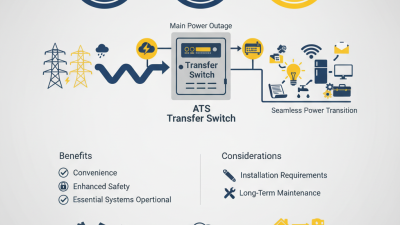
In today's world, a reliable power supply is vital for both homes and businesses. An ATS transfer switch can ensure that you maintain power during outages. These devices automatically switch to a backup generator when the main power fails, providing seamless energy restoration.

Many people overlook the importance of having an ATS transfer switch. They may assume that their backup generators alone will suffice. However, this assumption can lead to unnecessary challenges during a power outage. An ATS transfer switch offers enhanced safety and convenience, making it a crucial component of any emergency power plan.

Investing in an ATS transfer switch reflects a commitment to uninterrupted service. It can protect your devices and appliances from power surges. By choosing an ATS transfer switch, you are not only enhancing reliability but also ensuring peace of mind during uncertain times. This choice can be a game-changer for many, highlighting the need for robust solutions in power management.
Top 10 Reasons Why You Need an ATS Transfer Switch for Your Power Needs?

Importance of Power Reliability in Modern Systems

Power reliability is crucial in modern systems. In today's increasingly digital world, power disruptions can lead to significant financial losses. According to a report by the Electrical Power Research Institute, power outages cost U.S. businesses approximately $150 billion annually. This data underscores the importance of a robust power system.

An ATS transfer switch is vital for ensuring continuous power supply during outages. Its capability to automatically switch to a backup generator minimizes downtime. In fact, facilities with an ATS experience 40% fewer disruptions. Power reliability isn't just about avoiding losses; it’s about maintaining trust with customers and stakeholders.

Tips: Regularly test your ATS system to ensure functionality. Some experts recommend monthly checks to catch potential issues early. Additionally, document maintenance activities for future reference.

Embracing an ATS transfer switch can enhance power reliability. However, implementing such systems requires careful planning and investment. Some companies may cut corners, leading to delays in power restoration. It’s essential to evaluate options thoroughly to avoid complications down the line.
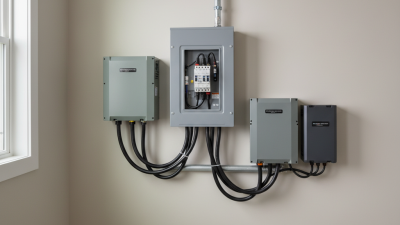
Importance of ATS Transfer Switches in Power Reliability

Understanding the Functionality of an ATS Transfer Switch

Top 10 Reasons Why You Need an ATS Transfer Switch for Your Power Needs?

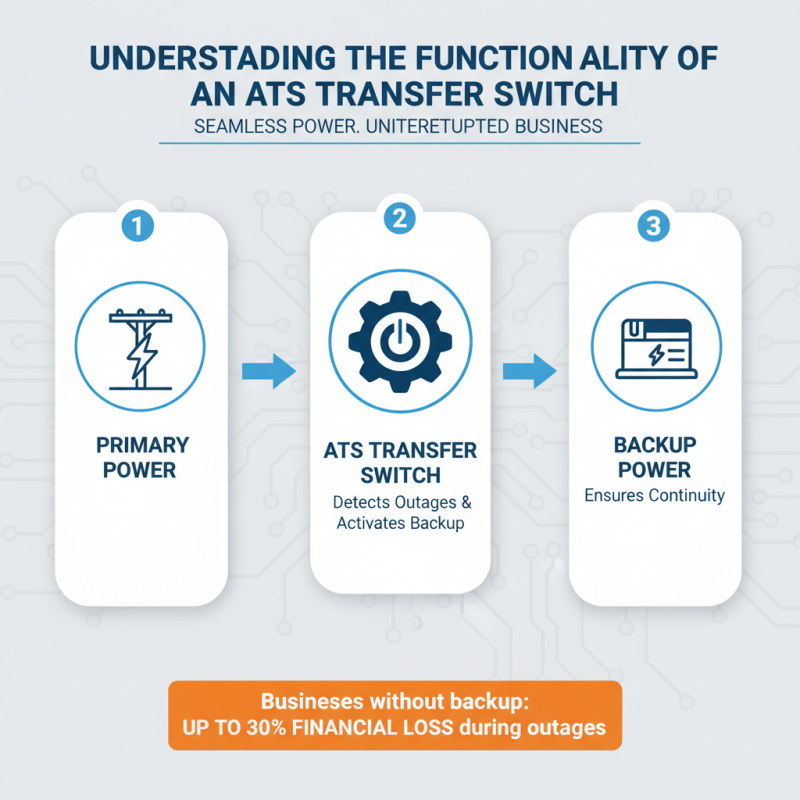
An ATS (Automatic Transfer Switch) plays a crucial role in power management. It allows seamless switching between two power sources. This is essential during power outages. The ATS detects outages and activates the backup power source rapidly. Reports indicate that businesses without a reliable power backup can suffer financial losses of up to 30% during outages.

Understanding how an ATS functions is vital for any power management strategy. It minimizes downtime, enhancing operational efficiency. According to a recent survey, 80% of companies prioritize uninterruptible power supply systems. A reliable ATS ensures a stable power transition, reducing risks of equipment damage.

Tip: Regular maintenance of your ATS can improve reliability. Check connections and test switches quarterly.

An ATS improves safety and prevents voltage spikes. It protects equipment from damage. Neglecting your backup system can lead to unexpected failures.

Tip: Invest in training for personnel to handle power systems effectively. Knowledgeable staff can manage transitions smoothly.

Incorporating an ATS into your power needs is not just an option—it's a necessity for modern operations. The investment pays off through increased efficiency and reduced downtime. Choose wisely and stay prepared for any power challenges.

Key Benefits of Implementing an ATS Transfer Switch

An ATS transfer switch ensures seamless power delievery during outages. Having one in place minimizes downtime for businesses. According to a study by the National Renewable Energy Laboratory, 30% of businesses that experience a significant power outage do not reopen. This statistic highlights the critical nature of maintaining power continuity.

One of the key benefits of implementing an ATS transfer switch is safety. It automatically transfers power to a backup generator, reducing human error during manual operations. The Institute of Electrical and Electronics Engineers (IEEE) states that improper power transitions can lead to equipment damage. An ATS helps prevent costly repairs, preserving both equipment and financial resources.

Efficiency is another significant advantage. Many ATS systems can monitor energy loads in real-time, allowing for optimized management. Research from the International Energy Agency indicates that energy-efficient operations can reduce costs by up to 30%. This specialized control leads to effective resource allocation. Even with the clear benefits, businesses must regularly assess their power needs and the system's capabilities. Reflection on current infrastructure is vital for future growth.

Top 10 Reasons Why You Need an ATS Transfer Switch for Your Power Needs? - Key Benefits of Implementing an ATS Transfer Switch

Reason Description Benefit
Automatic Power Switching Automatically switches to backup power during an outage. Ensures continuous power supply without manual intervention.
Protection from Power Surges Helps safeguard your equipment from surges when switching power sources. Reduces risk of damage to appliances and systems.
Improved Safety Prevents accidental power back-feed to the grid. Enhances safety for utility workers and your property.
Cost-Effective Reduces operational downtime and the cost of service interruptions. Saves money by ensuring business continuity.
Flexible Operation Can be configured for various power sources including generators. Adaptable to changing power needs.
Remote Monitoring Allows users to monitor power status remotely. Increases convenience and quicker response time.
Enhanced Reliability Provides a reliable solution for power supply issues. Minimizes risks of power failure.
Regulatory Compliance Helps meet safety and code requirements for backup power. Ensures compliance with regulations.
User Friendly Designed for easy operation and setup. Streamlines power management for users.
Increased Property Value Improves property appeal with reliable power solutions. Attracts potential buyers or tenants.

Comparative Analysis: ATS vs. Manual Transfer Switches

Top 10 Reasons Why You Need an ATS Transfer Switch for Your Power Needs?

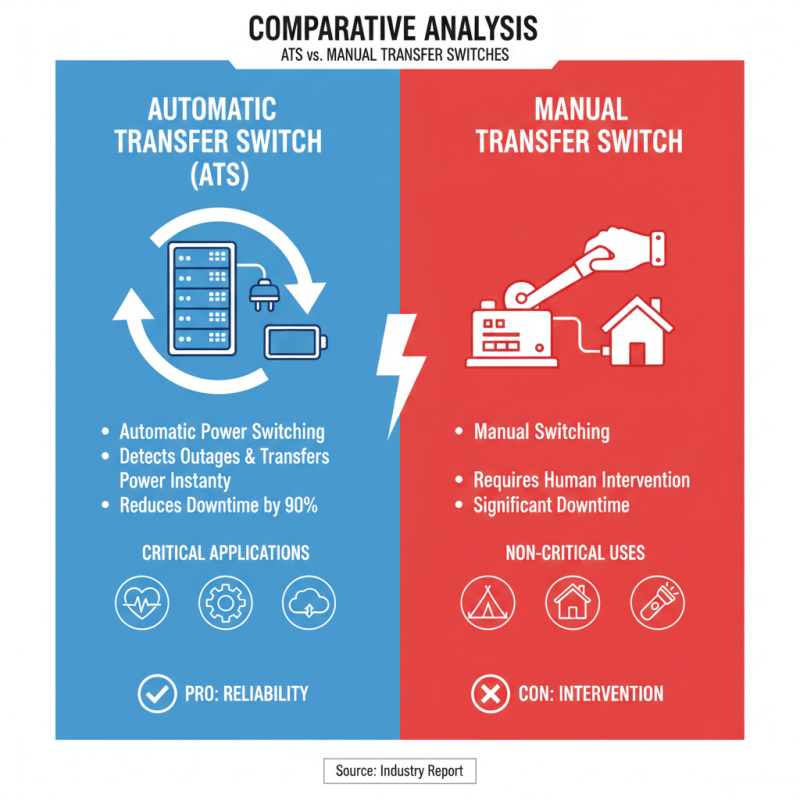
When considering your power needs, understanding the difference between Automatic Transfer Switches (ATS) and manual transfer switches is crucial. ATS systems automatically switch the power supply when an outage occurs. In contrast, manual transfer switches require human intervention. An industry report indicates that ATS reduces downtime by 90%, making it vital for critical applications.

One of the key advantages of ATS is its seamless operation. In emergencies, every second counts. A report by the National Electric Manufacturers Association states that 80% of facilities prefer ATS for uninterrupted power. This preference highlights the increasing reliance on technology to maintain productivity and safety.

However, manual transfer switches can sometimes be more cost-effective for smaller setups. They offer more control during outages, allowing users to prioritize what gets power first. Some users appreciate this strategy to manage limited resources. A tip for users is to assess your power needs carefully. Reflect on your operational requirements to make an informed choice. Choosing between these options isn't always straightforward. It often requires a deep dive into your specific needs and potential risks.

Safety Features of ATS Transfer Switches for Electrical Systems

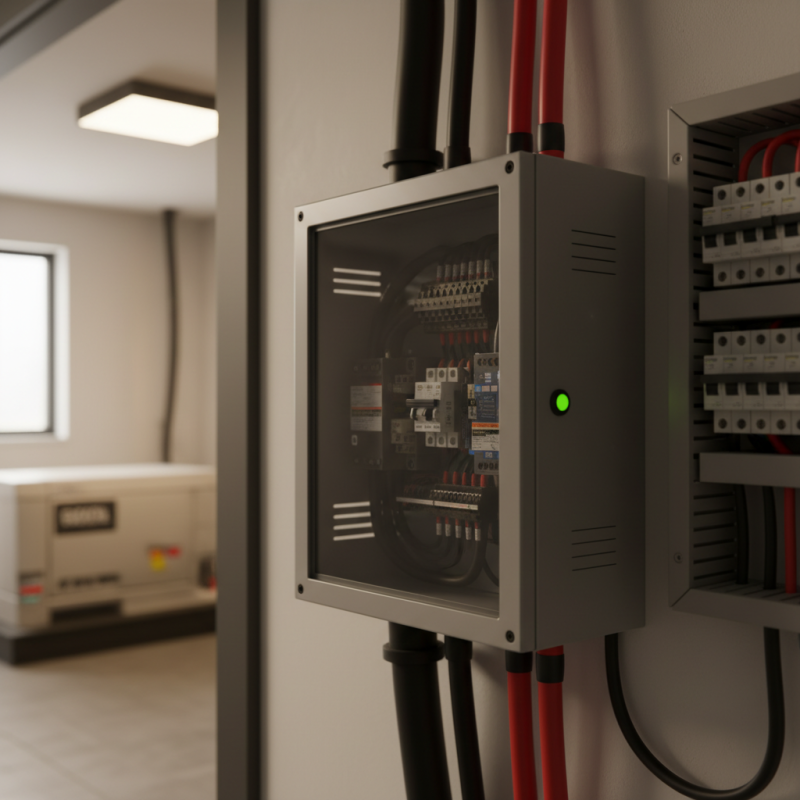
An ATS transfer switch is crucial for electrical systems. Its safety features protect your home and equipment from power failures. One important aspect is automatic switchover during outages. This minimizes downtime and prevents potential damage from surges.

Ground fault protection is another feature. It detects abnormal electrical currents and shuts off power. This reduces the risk of electrocution or fires. The transfer switch's robust construction provides reliability. It ensures that your backup generator connects safely when needed.

Tips: Regular maintenance checks are essential. Inspect the transfer switch annually for wear and tear. Test its operation during routine power checks. Ensure all connections are secure to avoid risks. Remember, even well-designed systems can fail without proper care. Prioritize safety by knowing your system well. Familiarize yourself with the manual and emergency procedures.