Top Ats Transfer Switch Options for 2026 Buyers Insights?
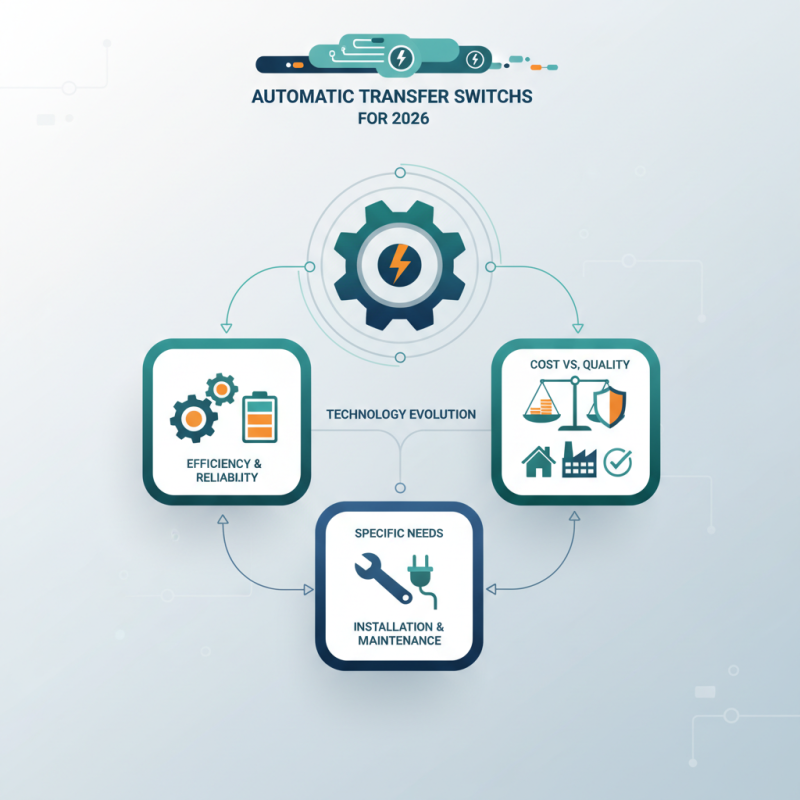
As we approach 2026, choosing the right Ats Transfer Switch is crucial for homeowners and businesses alike. These switches ensure seamless power supply during outages. The market is filled with options, making informed decisions vital for efficiency and reliability.
The landscape of Ats Transfer Switch technology is evolving. Innovations enhance performance and safety features. Buyers must consider their specific needs, balancing cost with quality. Popular brands are trusted for their durability and support.
However, even the best products come with questions. Some users report challenges in installation and maintenance. Understanding these potential pitfalls can guide smarter purchases. Being aware of personal requirements can lead to better choices in the complex world of Ats Transfer Switches.
Overview of Automatic Transfer Switch (ATS) Technology
Automatic Transfer Switch (ATS) technology plays a crucial role in ensuring uninterrupted power supply. ATS devices monitor the main power source and seamlessly switch to a backup generator if an outage occurs. This automatic response protects sensitive equipment from damage caused by power interruptions. Modern designs often include advanced functionality, such as remote monitoring and diagnostics. These features enhance reliability and user convenience.
As the energy landscape evolves, innovation in ATS technology continues to grow. New systems are integrating smart technology for better efficiency and reliability. Some models offer features like load management and scheduling for peak demand times. This adaptability can lower energy costs significantly. Users must evaluate their unique requirements carefully. The variety of options can be overwhelming. Making the right choice demands both research and reflection.
Investing in ATS technology requires understanding its limitations. Some systems may not fit every environment, especially in rugged conditions. Additionally, maintenance needs can vary widely. Regular check-ups are essential for optimal performance. Effectively balancing benefits with potential drawbacks is vital for smart decision-making. Being informed helps users navigate these complexities better.
Key Features to Consider When Selecting an ATS
When selecting an Automatic Transfer Switch (ATS) for 2026, consider critical features. Reliability ranks high. According to a recent industry report, 85% of power outages occur during peak times. This statistic highlights the need for a robust ATS system. It ensures seamless power transfer during outages, minimizing downtime.
Another important feature is the switch's response time. A faster response minimizes disruption. Studies indicate that a delay of just two seconds can significantly impact sensitive equipment. Many modern ATS units now promise response times under one second, improving overall efficiency.
Lastly, assess installation flexibility. An ideal ATS should fit various configurations. This allows for future upgrades or changes in the electrical system. A report from the Electrical Safety Foundation noted that improper installations contributed to nearly 40% of failures. Thus, choosing an ATS with versatile installation options can save costs and hassle in the long run.
Top ATS Brands and Their Unique Offerings for 2026
As 2026 approaches, buyers are keen on finding the best Automatic Transfer Switch (ATS) options. Various brands are stepping up their game, offering unique and tailored solutions. Each brand provides distinct features to meet diverse needs, yet some present challenges to navigate.
Many ATS brands focus on reliability. They offer switches with different load capacities. This helps in managing power effectively. However, a common issue is the complexity of installation. Buyers may feel overwhelmed by technical specifications.
Another important aspect is customer support. Some brands prioritize after-sales service, offering extensive guides and troubleshooting resources. Yet, not all provide adequate assistance. This gap can lead to frustrations for buyers needing immediate help. These considerations are crucial for anyone looking to make an informed decision in the upcoming year.
Top Ats Transfer Switch Options for 2026 Buyers Insights
| Switch Type |
Voltage Rating (V) |
Current Rating (A) |
Features |
Warranty (Years) |
| Automatic |
120/240 |
50 |
Wireless monitoring, Surge protection |
5 |
| Manual |
120/240 |
100 |
Robust construction, Cost-effective |
3 |
| Smart |
480 |
200 |
Cloud control, Real-time data analytics |
7 |
| Industrial |
600 |
400 |
Heavy-duty, High reliability |
10 |
Budgeting for Your ATS Purchase: Costs and Value Analysis
When budgeting for an Automatic Transfer Switch (ATS), understanding costs is crucial. ATS units vary significantly in price. Factors influencing this include capacity, features, and installation complexity. A basic unit can start at a few hundred dollars, while advanced models may exceed several thousand. Buyers should account for installation costs, too. Professional installation ensures reliability but adds to the budget.
Value analysis involves assessing what you need versus what you spend. Cheaper units might lack essential features, risking performance during outages. A mid-range unit often balances cost and reliability. Consider long-term benefits like maintenance needs and warranty support. Reflect on your energy needs and future expansion plans. Will your current choice still serve you in five years? It’s wise to think ahead.
Evaluate the total lifecycle cost of ownership. This includes maintenance and operational efficiency. Sometimes, investing a little more upfront leads to significant savings later. A reliable ATS can prevent costly downtimes or damage to your equipment. An informed decision now can save time and money in the future.
Future Trends in ATS Technology and Market Predictions
As we approach 2026, the landscape for Automatic Transfer Switches (ATS) is set to evolve significantly. Modern technology integration will play a pivotal role in shaping these systems.
Anticipated advancements include enhanced connectivity, allowing ATS units to communicate seamlessly with building management systems. This shift aims to improve efficiency and reliability, reducing downtime during power outages.
Moreover, energy efficiency standards will likely become stricter, influencing ATS design. Manufacturers will need to innovate, enhancing power management features and ensuring compliance with new regulations. There’s a growing emphasis on sustainability, pushing for greener solutions in ATS technology. However, challenges remain in balancing cost and performance, leading to a need for careful consideration of options.
Trends suggest increased utilization of smart technology within ATS systems. Features such as predictive maintenance and real-time monitoring will become standard. This evolution requires significant investment in R&D. Companies will need to adapt quickly to stay competitive. With rapid advancements, selecting the right ATS option may pose challenges, as buyers weigh long-term benefits against immediate needs.






 Claire
 Mr.Fu
Mr.Fu

 Claire