10 Tips for Choosing Automatic Switches for Buyers
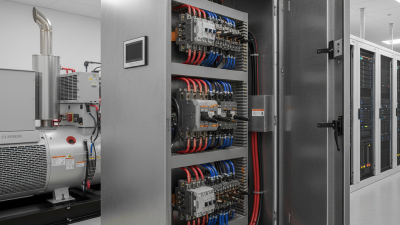
Choosing Automatic Switches is not a box-checking exercise. The right unit must suit the power source, load, environment, and transfer needs. A generator serving a small office has different demands from one supporting pumps or critical equipment. Look closely at current rating, pole configuration, switching method, and control features. Small details matter. A cabinet’s dimensions, for example, can determine whether installation and maintenance remain practical.
Electrical educator Mike Holt’s safety-focused teaching can be condensed into a useful buyer’s principle: “Choose equipment for the actual system, not just the nameplate.” This is an editorial paraphrase, not a verbatim quotation. It points to a common purchasing mistake: matching one headline rating while overlooking fault conditions, operating frequency, or compatibility with connected equipment. Ask suppliers for clear specifications and documentation. Check how the switch behaves during source failure and restoration. Then consider support, warranty, and replacement-part availability.
This guide presents 10 practical tips for comparing Automatic Switches with greater confidence. It covers application requirements, ratings, transfer operation, installation conditions, testing, and supplier evaluation. Not every buyer will need the most sophisticated model. And a cheaper unit may still be the wrong fit. Use the checklist as a starting point, verify technical details with a qualified electrical professional, and leave room to reassess assumptions before purchase.
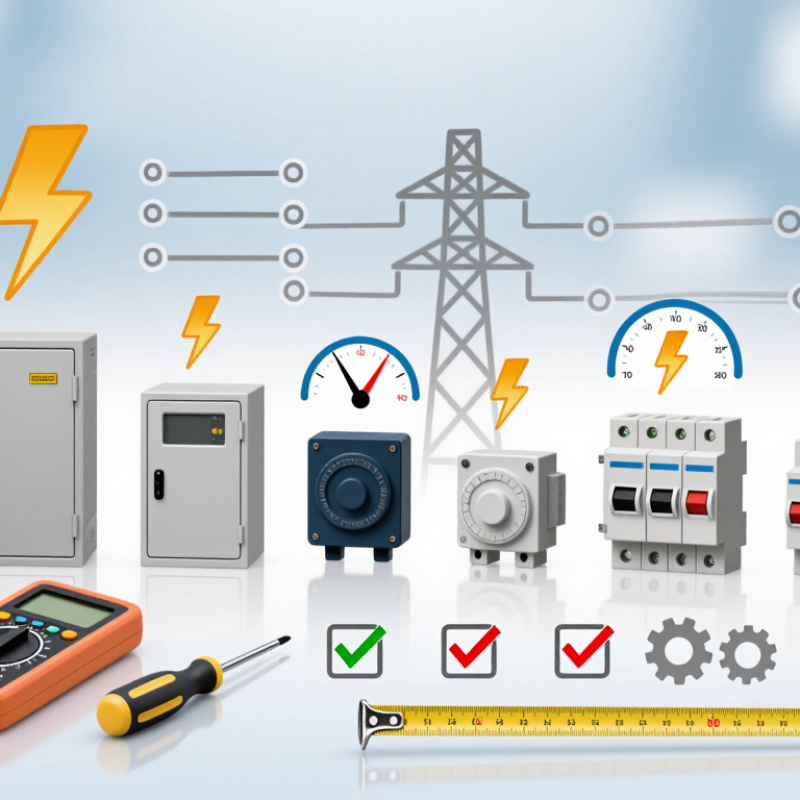
Understanding Automatic Switches and Their Main Types
Automatic switches sense a changing condition and move a circuit without manual action. The term covers several devices, not one universal product. Automatic transfer switches (ATS) shift a load between a primary and backup source, such as utility power and a generator. Their transition may be open, briefly disconnecting both sources, or closed, overlapping them to limit interruption. Some systems also use a delayed transition to let motors stop before reconnection.
That distinction matters.
Other common types include automatic changeover switches for selecting between power sources, and automatic circuit reclosers that restore a line after a temporary fault. They serve different jobs. A recloser protects distribution lines; it is not a substitute for a building’s ATS.
The U.S. Energy Information Administration’s Electric Power Annual reports about 5.6 hours of average power-interruption duration per U.S. customer in 2023. That figure helps explain why backup switching matters, but it does not predict conditions at a specific site.
A buyer should check source voltage, current rating, pole count, transfer time, and whether sensitive equipment can tolerate a brief break. On a panel, a few milliseconds can matter. Selection still depends on the actual load and installation.
Matching Switch Functions to Your Application
Choosing an automatic switch starts with the job it must perform, not its appearance. A pump may need a pressure switch that starts it when pressure falls. A storage tank may need a float switch to stop filling at a set level. For a moving guard or sliding panel, a position switch can confirm that the mechanism has reached its intended point. Match the sensing method to the actual condition you need to detect.
Then consider how the equipment behaves around the switch. Check the operating range, electrical load, switching frequency, and expected response time. A switch that handles a steady indoor duty may not suit vibration, dust, moisture, or rapid cycling. Leave a sensible margin between normal operating values and the switch’s rated limits. Small details matter. Verify the wiring diagram and contact state, since “normally open” and “normally closed” describe different behaviors when the switch is at rest.
Think through abnormal conditions, too. What should happen if a sensor wire loosens or the mechanism sticks? Choose a function that supports a safe, predictable response, and confirm it during commissioning with the equipment isolated as required. Test at real operating thresholds, not just by moving the switch by hand. I sometimes find that the intended trigger point looked clear on paper but needed adjustment after installation. That is a useful reminder: document the final settings, and review them when the application changes.
Checking Electrical Ratings and Operating Conditions
Checking Electrical Ratings and Operating Conditions
An automatic switch must match the circuit, not just its headline current rating. Check rated operational voltage, current, frequency, pole configuration, and load category against the actual equipment. A motor load, for example, can demand more during starting than its steady running current suggests. Also verify the switch’s short-circuit rating against the available fault current at the installation point. A mismatch can cause overheating or failure to interrupt safely. Small details matter.
IEC 60947-1:2020 gives reference service conditions for low-voltage switchgear: ambient air from −5°C to +40°C, with a 24-hour average no higher than +35°C. Its reference altitude is up to 2,000 metres. Check the product’s derating instructions if a panel sits in a hot plant room, direct sun, or a high-altitude site. Enclosure temperature can climb beyond the room reading. I would not treat a printed ampere value as a promise under every condition; it depends on installation and load. Compare the switch’s stated operating range with expected temperature, humidity, vibration, and switching frequency, then confirm details in its technical documentation. A quick check helps.
Comparing Safety Features, Durability, and Compatibility
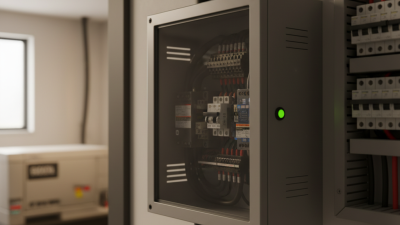
Safety starts with the fault rating, not the casing. Check the switch’s rated voltage, current, frequency, and short-circuit withstand against the actual system. The IEC 60947-6-1:2021 standard covers transfer switching equipment; use it as a reference, then confirm the selected unit’s test documentation. Small details matter. Verify protective interlocks, clear position indicators, and safe manual operation. A switch that cannot show its true position creates avoidable uncertainty during maintenance.
Durability depends on the environment and operating duty. Compare mechanical and electrical endurance ratings, not just expected service life. Dust near a workshop panel, damp air in a pump room, or frequent transfers can change the choice. Check enclosure protection, temperature range, terminal size, and the manufacturer’s stated switching-cycle limits. Those limits can be easy to overlook. They matter most when the switch transfers often or carries motor loads.
Compatibility means matching more than the supply voltage. Confirm the number of poles, neutral arrangement, generator-start signal, control voltage, and transition mode. Then check that the switch suits the load’s starting current and available fault current. The U.S. Energy Information Administration’s 2023 reliability data recorded average customer interruptions of 5.6 hours, including major events, versus 2.3 hours without them. That figure is not a product forecast, but it shows why transfer performance deserves scrutiny. Ask for test records and wiring details before purchase; paperwork alone, however, cannot prove a good installation.
Choosing Automatic Switches: Comparing IP Enclosure Protection
IP ratings help buyers compare protection against solid objects and water when selecting an enclosure for an automatic switch.
The first IP digit indicates protection against solid objects (0–6); the second indicates water protection (0–9). These are classification levels, not a linear durability score. Check the switch’s voltage, current, load type, and installation requirements separately.
Evaluating Installation, Maintenance, and Total Cost
Before choosing an automatic switch, check the actual installation site. Measure the panel space and leave room for safe access. Confirm the switch matches the system voltage, current, and connected load. Consider cable routes, enclosure conditions, and whether existing equipment needs modification. A qualified electrician can identify these issues before purchase. Site checks matter.
Ask for an installation estimate, not just the equipment price. Labor, wiring changes, testing, and any needed shutdown can affect the final bill. A low quote can still be the wrong choice if it excludes important work. Compare estimates with the same scope, and ask what assumptions they contain. The details can be easy to miss.
Maintenance affects cost over the switch’s working life. Check the service schedule, inspection requirements, and availability of replacement parts. Ask how routine testing is performed and who can carry it out. Keep inspection records and note any alarms or unusual switching behavior. Small details help. Include service visits, parts, downtime, and expected replacement costs in your comparison. Estimates are imperfect, so leave room for unexpected repairs rather than treating the lowest projected total as certain.






 Claire
 Mr.Fu


 Claire