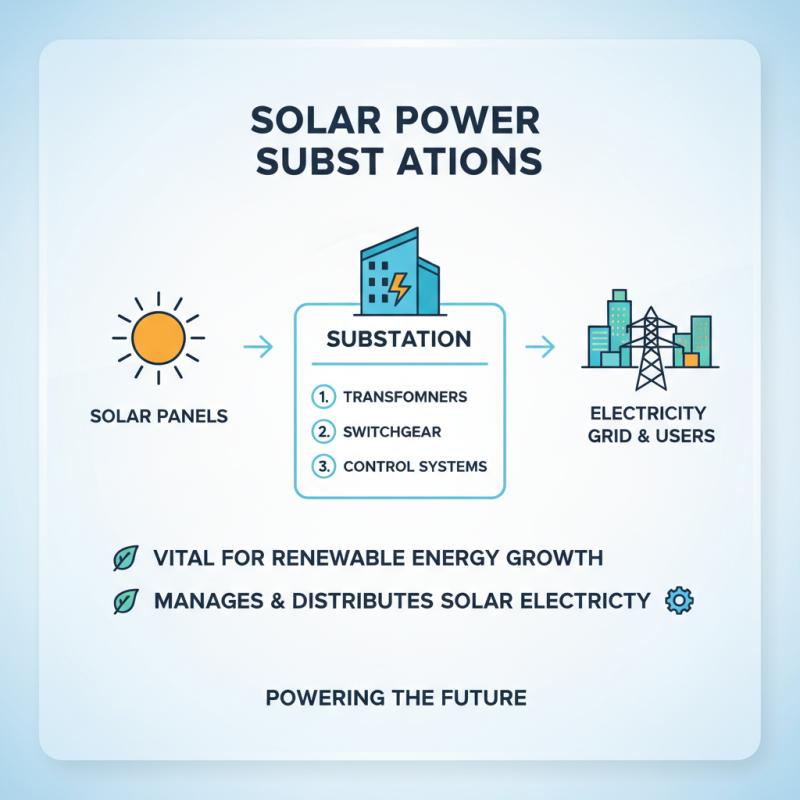
Why Are Solar Power Substations Essential for Renewable Energy Growth?
The growth of renewable energy hinges on essential infrastructure, notably Solar Power Substations. As the shift to clean energy accelerates, these substations play a critical role. Dr. Emily Carter, a leading expert in renewable energy systems, emphasizes, "Solar Power Substations bridge the gap between generation and consumption, paving the way for a sustainable future."
Solar Power Substations help convert the direct current generated by solar panels into alternating current, making it usable for homes and businesses. However, many regions lag in developing their grid capacity to integrate these systems effectively. Dr. Carter urges, "Investments in these substations must match the rapid expansion of solar energy production."
Despite the importance, some stakeholders overlook these facilities. The lack of awareness can lead to inadequate planning and missed opportunities. As solar energy continues to proliferate, addressing the needs of Solar Power Substations will be imperative. This journey is essential for a stable and resilient energy grid.
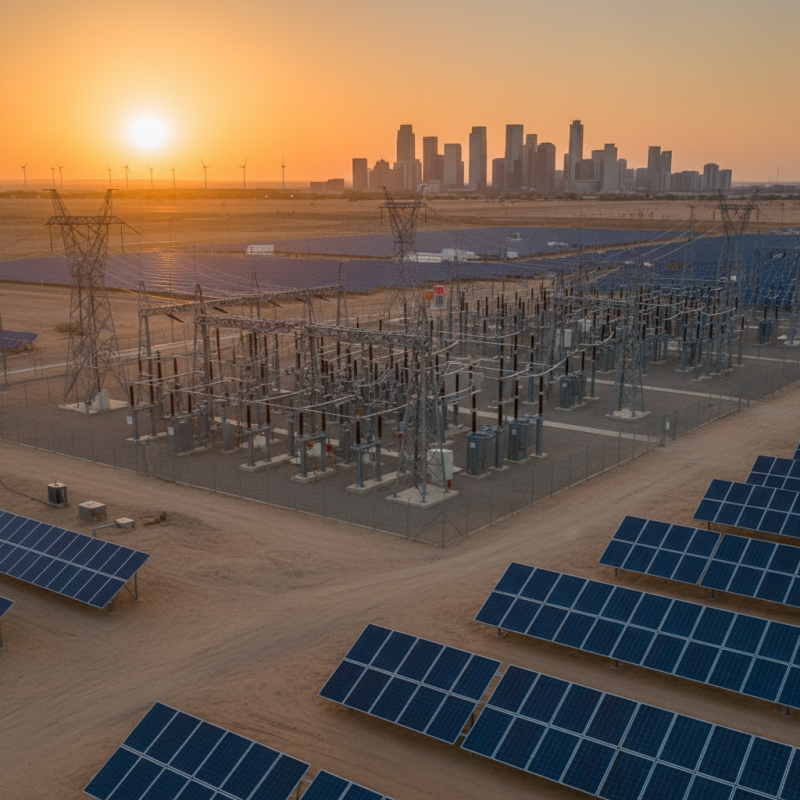
The Role of Solar Power Substations in Energy Distribution
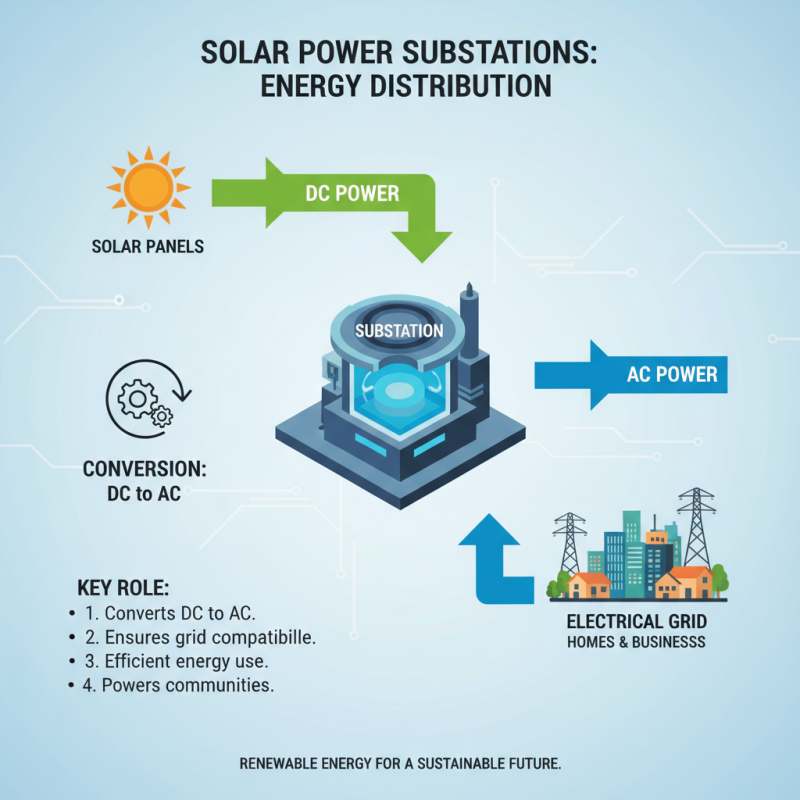
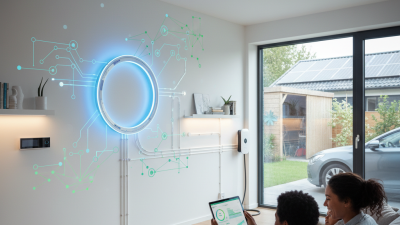
Solar power substations play a critical role in the distribution of renewable energy. They convert the direct current (DC) produced by solar panels into alternating current (AC), which is suitable for the electrical grid. This conversion process is essential to ensure the energy generated can be efficiently used. Without substations, solar energy would struggle to reach homes and businesses.
Further, these substations manage the energy flow. They allow for the integration of various renewable sources into the grid. However, they also face challenges like fluctuating energy production. On sunny days, production can peak, causing potential overloads. This variability means that sometimes energy is wasted, highlighting the need for better management strategies.
Substations also support local energy storage solutions. They can store excess energy for use during cloudy days or at night. This capability enhances grid reliability. However, maintaining this balance isn't straightforward. Upgrading infrastructure and incorporating new technologies require ongoing attention and resources. There’s a lot to pave the way for a renewable future.
Benefits of Solar Power Substations for Renewable Energy Integration
Solar power substations play a crucial role in integrating renewable energy into the grid. They help convert solar energy into usable electricity. This conversion is essential for powering homes and businesses. Substations allow for the effective distribution of this energy. They also help manage the variability of solar energy output.
One key benefit of solar power substations is their capacity to stabilize the grid. Fluctuations in solar energy can lead to inconsistencies. Substations help buffer these changes, ensuring a steady power supply. This is increasingly important as more people switch to solar. Moreover, they can lower energy costs over time. Efficient solar energy distribution saves money for consumers and reduces reliance on fossil fuels.
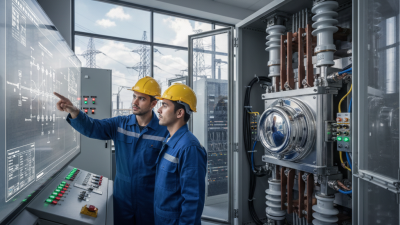
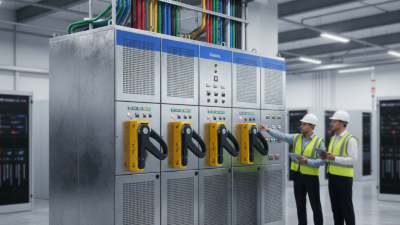
Tips for maximizing the benefits of solar substations include regular maintenance checks. Keeping equipment in top condition ensures better performance. Additionally, local communities should advocate for more substations to enhance energy access. Collaborating on solar projects can also boost local economies. Reflect on how increased solar integration impacts both your community and the environment. Make efforts to support sustainable solutions.
Benefits of Solar Power Substations for Renewable Energy Integration
Challenges in Developing Solar Power Substations
Developing solar power substations presents several challenges. One major issue is site selection. Finding a suitable location requires extensive research. Often, areas with high solar potential are remote. This can lead to increased costs and logistical hurdles. Additionally, land use conflicts with agriculture or habitat need resolution.
Another significant challenge is the integration of these substations into existing power grids. Aging infrastructure often struggles to accommodate new solar power sources. Engineers face hurdles in upgrading these systems. Compatibility issues can lead to inefficiency and power loss. Delays in approvals also slow progress.
Moreover, the financial aspects cannot be overlooked. Investment in solar substations requires significant capital. Many projects face funding gaps, creating uncertainty. Grant programs may not cover all expenses. Long-term profitability remains a concern for stakeholders. These hurdles need thoughtful approaches to ensure the success of solar energy initiatives.
Future Trends in Solar Power Substations and Renewable Energy Growth
The role of solar power substations is evolving. As solar technology advances, substations remain crucial for energy distribution. This growth aligns with the increasing demand for clean energy. By 2030, solar capacity is projected to reach 1,600 gigawatts in the U.S. alone, according to the U.S. Energy Information Administration. This dramatic increase will challenge existing infrastructure.
Upcoming trends in solar power substations focus on smart technology. These innovations aim to enhance efficiency. Energy management systems can reduce waste. They allow for better grid integration, too. The rise of decentralized energy calls for flexible solutions. Many remain skeptical about the readiness of current substations.
Grid resilience is another concern. Aging infrastructure may hinder advancements. Researchers from the National Renewable Energy Laboratory suggest overhauling older systems. Such updates could boost performance and reliability. The transition to renewable energy requires addressing these shortcomings head-on.




 Claire
 Mr.Fu
Mr.Fu

 Claire