Why Rmu Circuit Breaker is Essential for Modern Electrical Systems?
In today's rapidly evolving electrical landscape, the importance of the RMU Circuit Breaker cannot be overstated. According to Dr. John Smith, a leading expert in electrical systems, "The RMU Circuit Breaker is not just a safety device; it's a critical component for reliable energy distribution." This sentiment highlights the crucial role these devices play in modern infrastructures.
Electricity demands are increasing, necessitating advanced solutions. The RMU Circuit Breaker ensures protection and efficiency in managing high voltage networks. Without it, electrical systems are vulnerable to failures and outages. Yet, many still underestimate its significance. The complexity of integration into existing systems poses challenges and risks.
Moreover, the RMU Circuit Breaker’s design must adapt to modern needs. Innovating without compromising reliability is a delicate balance. Experts argue that embracing this technology is vital for future-proofing our electrical frameworks. Understanding these intricacies is essential for stakeholders in the industry.
Importance of Circuit Breakers in Electrical Safety
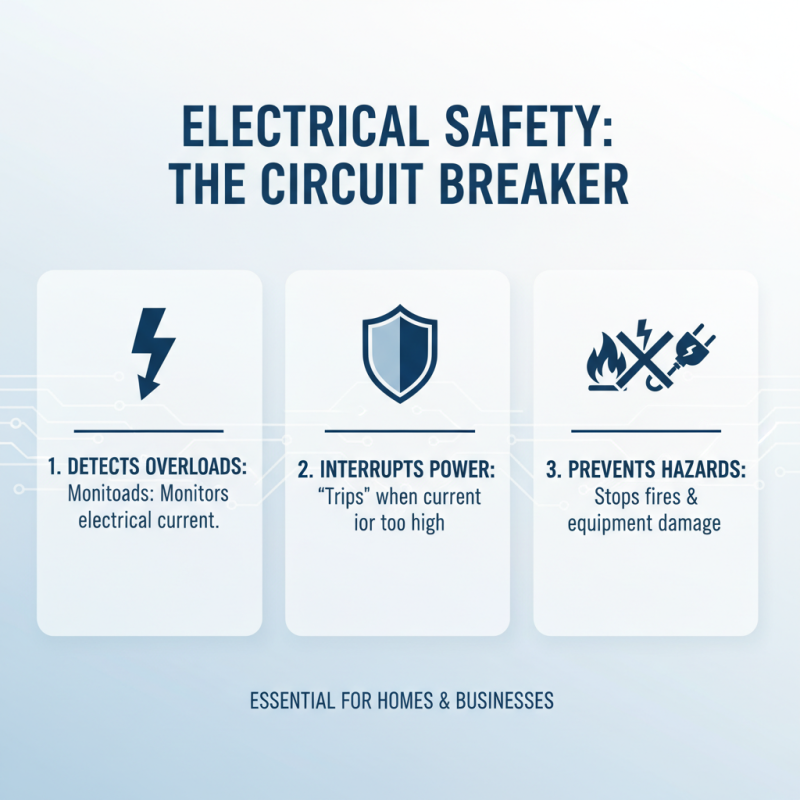
In modern electrical systems, circuit breakers are crucial for safety. They act as a barrier against electrical overloads. When too much current flows, these devices trip and disconnect the power. This prevents potential fires and equipment damage. The ability to swiftly interrupt the circuit is vital, especially in residential and commercial settings.
Electrical safety is paramount. Every year, thousands suffer injuries from electrical accidents. Circuit breakers minimize these chances. They can handle various voltage levels and react promptly to faults. However, some users may not fully understand their importance. Neglecting routine checks can leave a system vulnerable. An outdated or malfunctioning breaker may fail when needed most.
Regular maintenance is key. Users should examine their breakers periodically. Understanding how they function can lead to better safety practices. A small oversight can lead to sizable consequences. Awareness and education about circuit breakers ensure that electrical systems remain secure and efficient, protecting both property and lives.
Overview of Rmu Circuit Breaker Technology
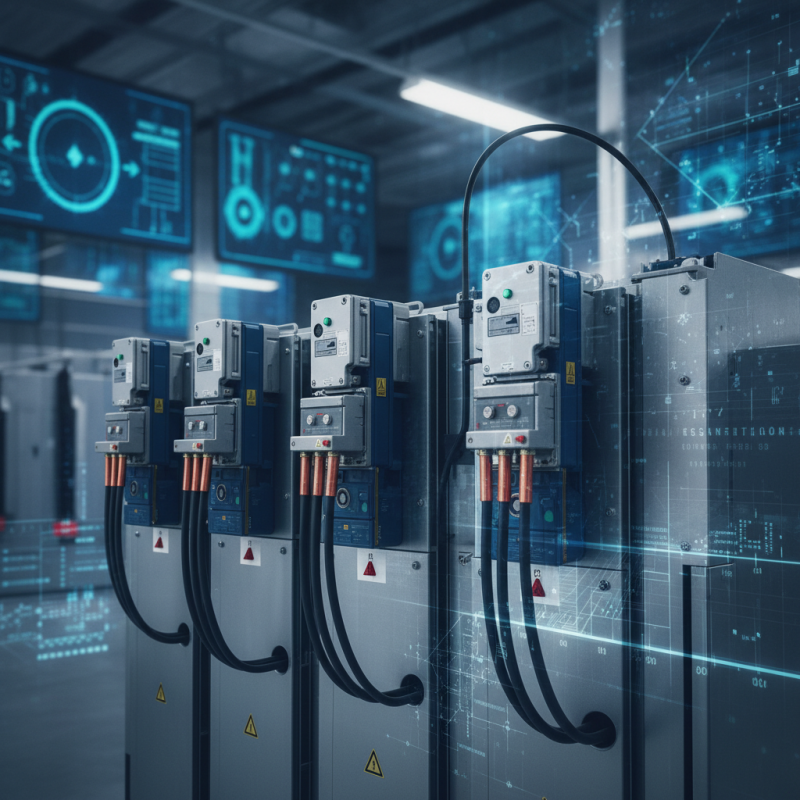
The Rmu circuit breaker plays a crucial role in modern electrical systems. It enhances safety and reliability. This technology focuses on maintaining electrical stability in diverse environments. Rmu circuit breakers are designed to protect electrical circuits from overloads and short circuits. They ensure that power interruptions are minimal. Being compact and efficient, these breakers are easy to install. Their design allows for quick maintenance.
Tips: Regular maintenance is vital. Check connections frequently. Look for any signs of wear or damage. It's important to replace faulty components promptly.
The technology behind Rmu circuit breakers is sophisticated yet user-friendly. They often include advanced features like remote monitoring. This allows users to track performance in real-time. Understanding these features can help in making informed decisions. However, some users may find them complex. Familiarity with the technology is key for effective use.
Tips: Educate yourself on the features. Reference manuals and guides. Engage with experts if necessary. Knowledge can prevent misapplication of the technology.
Key Features of Rmu Circuit Breakers
Rmu circuit breakers play a crucial role in modern electrical systems. Their compact and robust design allows for easy installation in various environments. Many users appreciate how these breakers enhance safety and reliability. The integration of advanced technology helps in detecting faults quickly. This minimizes downtime and increases overall efficiency.
One key feature of Rmu circuit breakers is their ability to handle diverse loads. They can seamlessly manage both high and low-voltage scenarios. Users often find that their operational versatility is impressive. Another notable aspect is the protective mechanisms in place. These include over-current and short-circuit protections that safeguard equipment. However, it is essential to ensure proper specifications match system requirements.
While Rmu circuit breakers offer many benefits, they aren't without their challenges. Maintenance can sometimes be overlooked, leading to performance issues. Users may need to invest in regular inspections to ensure optimal functionality. Additionally, understanding their technical specifications can be complex for some. Despite these hurdles, the advantages they provide are substantial. The focus on safety and efficiency remains paramount.
Why Rmu Circuit Breaker is Essential for Modern Electrical Systems? - Key Features of Rmu Circuit Breakers
| Feature |
Description |
| Protection |
Offers reliable protection against overload, short-circuits, and earth faults. |
| Compact Design |
Designed to take up minimal space while maximizing functionality. |
| Ease of Maintenance |
Simplifies maintenance tasks and reduces downtime. |
| Environmental Protection |
Constructed with materials that are resistant to moisture and dust. |
| Automation Compatibility |
Compatible with automated control systems for enhanced functionality. |
| User-Friendly Interfaces |
Intuitive controls that make operation straightforward. |
| Customization |
Various configurations available to suit specific application needs. |
| Durability |
Built to withstand harsh industrial conditions and extended use. |
Applications of Rmu Circuit Breakers in Modern Systems
RMU circuit breakers play a vital role in modern electrical systems. They ensure safety and reliability in various applications. For instance, these breakers are commonly used in substations and industrial plants. The global circuit breaker market is projected to reach approximately USD 40 billion by 2026, highlighting their importance.
In smart grid technology, RMU circuit breakers enhance operational efficiency. They enable quick fault detection and isolation. This minimizes downtime and protects equipment. According to industry reports, around 20% of electrical failures stem from faults that could be mitigated by effective circuit protection.
Furthermore, RMUs are integral in renewable energy sectors. They connect solar and wind energy systems to the grid. This integration is critical for energy transformation. Despite their advantages, some systems face challenges. Maintenance is often overlooked, leading to potential failures. Regular assessments are necessary to ensure optimal performance.
Applications of Rmu Circuit Breakers in Modern Electrical Systems
Advantages of Rmu Circuit Breakers Compared to Traditional Breakers
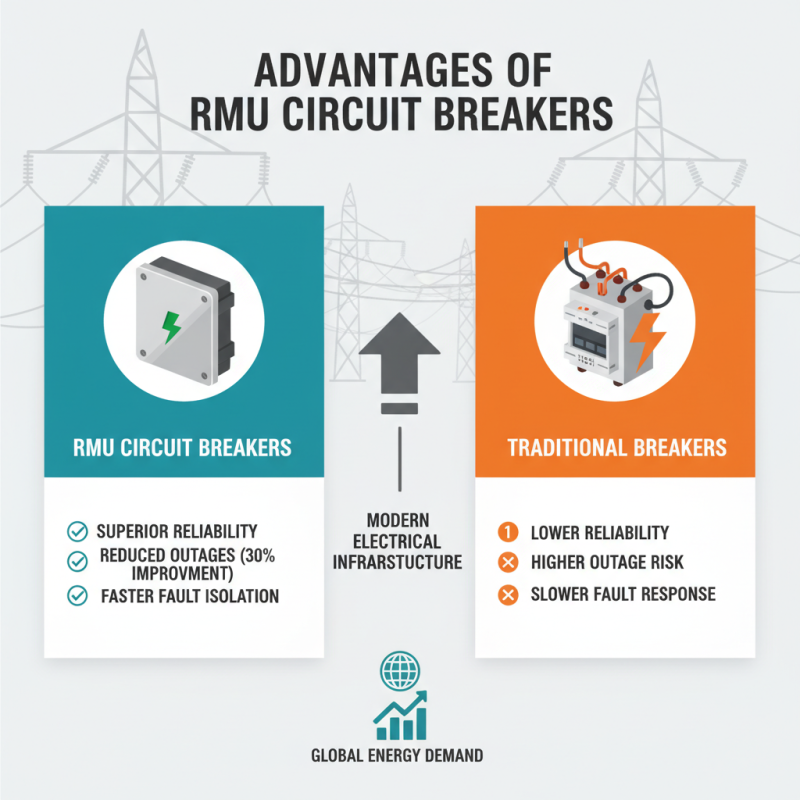
RMU circuit breakers have become increasingly vital in modern electrical infrastructure. Compared to traditional breakers, RMUs deliver superior reliability. With global energy demands skyrocketing, ensuring uninterrupted power is crucial. According to industry studies, about 30% of electrical systems experience significant outages. RMU technology can help mitigate this by reducing fault interruption time.
One notable advantage is their reduced footprint. RMUs are designed to occupy less space, which is essential in urban settings. A report from the International Energy Agency highlights that space-saving solutions are critical in cities experiencing rapid growth. Moreover, RMUs offer enhanced safety features that protect both equipment and personnel. Their insulated design minimizes the risk of electric shock, an essential consideration in high-voltage environments.
Efficiency is another key point. Traditional breakers often require more routine maintenance and can fail to operate correctly under stress. A study from the Electric Power Research Institute indicated that about 25% of traditional circuit breakers fail during peak load conditions. RMUs, on the other hand, ensure better performance under high-stress situations. Despite these advantages, some industry experts express concerns over the initial installation costs associated with RMUs, suggesting that wider adoption may face financial barriers.









 Claire
 Mr.Fu
Mr.Fu

 Claire