What is Ring Main Unit Switchgear and Its Benefits?
In the world of electrical engineering, the importance of Switchgear cannot be overstated. Specifically, the Ring Main Unit Switchgear plays a crucial role in modern power distribution. Industry expert Dr. Emily Chen emphasizes its significance, stating, "Ring Main Units enhance reliability and ensure efficient power management."
These units are designed to improve the continuity of electrical supply. They allow for quick isolation of faults, minimizing downtime. Each unit's compact design and versatility make it ideal for urban environments. Their strategic placement within networks enhances the overall reliability of electrical systems.
Despite its advantages, the deployment of Ring Main Unit Switchgear requires careful planning. It is essential to consider factors such as load requirements and environmental conditions. Updating existing infrastructure to accommodate these units can be challenging. However, the benefits they provide in efficiency and reliability make such efforts worthwhile.
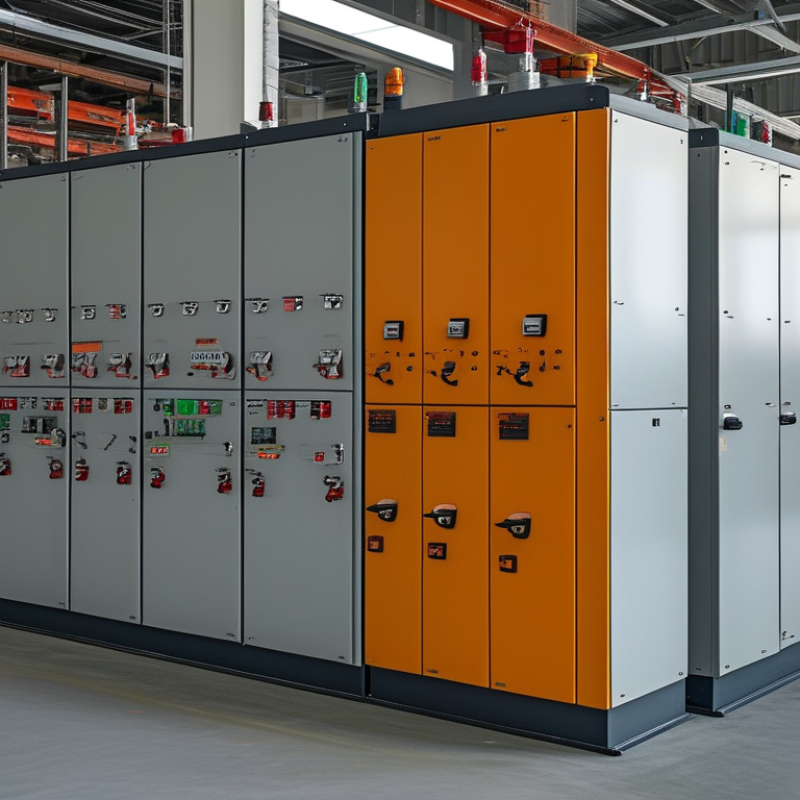
What is Ring Main Unit Switchgear?
Ring Main Unit (RMU) switchgear is an essential component in electrical distribution systems. It connects multiple sources and users of electricity in a compact unit. RMUs take on various forms, such as gas-insulated or air-insulated, making them versatile for different environments. Their design allows for efficient energy distribution in urban areas, industrial parks, and large facilities. Engineers often praise RMUs for their reliability and space-saving properties.
The benefits of RMUs are significant. They enhance operational safety by reducing risks during maintenance. With features like sectionalizing capabilities, they allow repairs without disrupting the entire system. This leads to fewer service interruptions. Additionally, RMUs are designed to withstand environmental stresses. Their resilient materials ensure longevity. However, one must consider the initial investment cost. While the payback period may be extended, the long-term savings from reduced outages can be substantial.
Adopting RMU switchgear requires thoughtful planning. Proper installation and maintenance are critical. Without attention to detail, performance may suffer. It’s essential to engage qualified professionals for setup. RMUs offer great advantages, yet their effectiveness relies on careful management. Embracing this technology can lead to a more reliable electrical infrastructure.
Key Components of Ring Main Unit Switchgear
Ring Main Unit (RMU) switchgear is essential for medium-voltage electrical distribution. Key components ensure reliability and efficiency. The enclosure usually protects components from external elements. It's often made of metal or composite materials for durability.
One vital element is the circuit breaker. It safeguards the system from overload and reduces risks. Without it, faults could cause severe damage. Additionally, the switch is crucial. It allows for control over the power flow. Operators can isolate sections easily during maintenance.
Another significant component is the busbar. This conductor facilitates the distribution of electricity between various circuits. Busbars are designed to handle high currents and minimize voltage drops. Lastly, the earth switch plays a safety role. It allows for grounding, which is vital during maintenance or fault conditions. While RMU switchgear is efficient, its complexity may require expert installation and handling. Regular inspections are necessary to address potential issues proactively.
Benefits of Ring Main Unit Switchgear
The chart above illustrates the various benefits of Ring Main Unit Switchgear. Each benefit is rated on a scale from 0 to 100, indicating how significant the advantage is in terms of system performance and usability. The highest rated benefit is 'Enhanced Reliability', showcasing its importance in electrical systems.
Advantages of Using Ring Main Unit Switchgear
Ring Main Unit (RMU) switchgear plays a crucial role in modern electrical distribution. It is commonly used in urban settings. One key advantage is its compact design, which allows for efficient space usage. RMUs can be installed in limited areas, optimizing urban infrastructure. According to a recent industry report, the market for RMU switchgear is projected to grow by 5.4% annually, reflecting increasing demand for reliable electrical systems.
The safety features of RMU switchgear are noteworthy. These units often include built-in protection mechanisms. This reduces the chances of electrical faults and outages. With failure rates decreasing significantly—by up to 30%—the reliability of power supply improves. Additionally, RMUs facilitate quick maintenance and replacement, minimizing downtime for users.
**Tip:** If considering RMUs, analyze your site's space and power requirements carefully. Unforeseen factors, such as environmental conditions, should also be factored in.
Another benefit is the ease of network expansion. RMUs enable utilities to upgrade their systems without extensive rework. This modularity promotes flexibility in planning future electrical layouts. However, one must reflect on the potential risks in installation. Improper setup can lead to performance issues, affecting overall efficacy.
**Tip:** Collaborate with experienced professionals for installation and maintenance. Their insights can help mitigate risks and enhance system longevity.
Applications of Ring Main Unit Switchgear in Various Industries
Ring Main Unit (RMU) switchgear plays a vital role in modern electrical distribution systems. Its compact design and reliability make it suitable for various applications, especially in urban settings. Industries such as commercial buildings, utilities, and renewable energy sectors increasingly adopt RMUs for effective power management.
A report by the International Energy Agency suggests that RMUs can enhance supply reliability by up to 30%. In urban areas, where space is limited, RMUs provide essential electric control in a smaller footprint. Their insulated and modular design minimizes risks associated with electrical faults, ensuring safety and operational efficiency.
Tips: Regular maintenance of RMUs can prevent unexpected failures. Check for any signs of wear and tear frequently. Understanding how to analyze RMU performance can boost overall grid reliability. In the manufacturing sector, RMUs ensure seamless power flow, vital for assembly lines. However, improper installations can lead to significant issues.
In the renewable energy industry, RMUs help connect sources like solar panels to the grid. The integration of RMUs with smart grid technology improves energy distribution efficiency. However, compatibility challenges may arise, requiring careful planning and integration strategies.
What is Ring Main Unit Switchgear and Its Benefits? - Applications of Ring Main Unit Switchgear in Various Industries
| Industry |
Application |
Benefits |
Key Features |
| Utilities |
Distribution networks |
Increased reliability and ease of maintenance |
Compact design, modularity |
| Commercial Buildings |
Power supply systems |
Enhanced safety and reduced downtime |
Integrated protection scheme, automated operations |
| Mining |
Site electrification |
Robustness in harsh environments |
Sealed configurations, weather resistance |
| Industrial |
Factory power distribution |
Efficiency in energy management |
Flexible installation options, easy integration with existing systems |
| Transportation |
Railway power supply |
Improved operational reliability |
High performance under varying loads, intelligent monitoring |
Maintenance and Safety Considerations for Ring Main Unit Switchgear
Ring Main Unit Switchgear (RMU) plays a crucial role in electrical distribution. Regular maintenance is essential for RMUs to operate safely. Users must prioritize checking for signs of wear or damage. Inspecting connections can prevent faulty operations. Cleanliness is also vital; dirt can lead to electrical faults.
Safety considerations are paramount when handling RMUs. Proper training ensures that staff understand the risks involved. Workers need to wear appropriate personal protective equipment (PPE). It's also wise to create a lockout/tagout procedure to prevent accidents during maintenance. A thorough risk assessment must be conducted beforehand.
Unexpected failures can occur, leading to downtime. Having a clear maintenance schedule can help mitigate such risks. Additionally, documenting all maintenance activities aids in tracking the unit's performance. Learning from past mistakes can improve future maintenance strategies and enhance safety protocols.










 Claire
 Mr.Fu
Mr.Fu

 Claire