Top Outdoor Ring Main Unit Benefits for Efficient Power Distribution?
The significance of reliable power distribution cannot be overlooked. One promising solution gaining traction is the Outdoor Ring Main Unit. This technology plays a crucial role in ensuring efficient, uninterrupted electricity supply. Its design allows for quick switching and maintenance, making it ideal for outdoor installations.
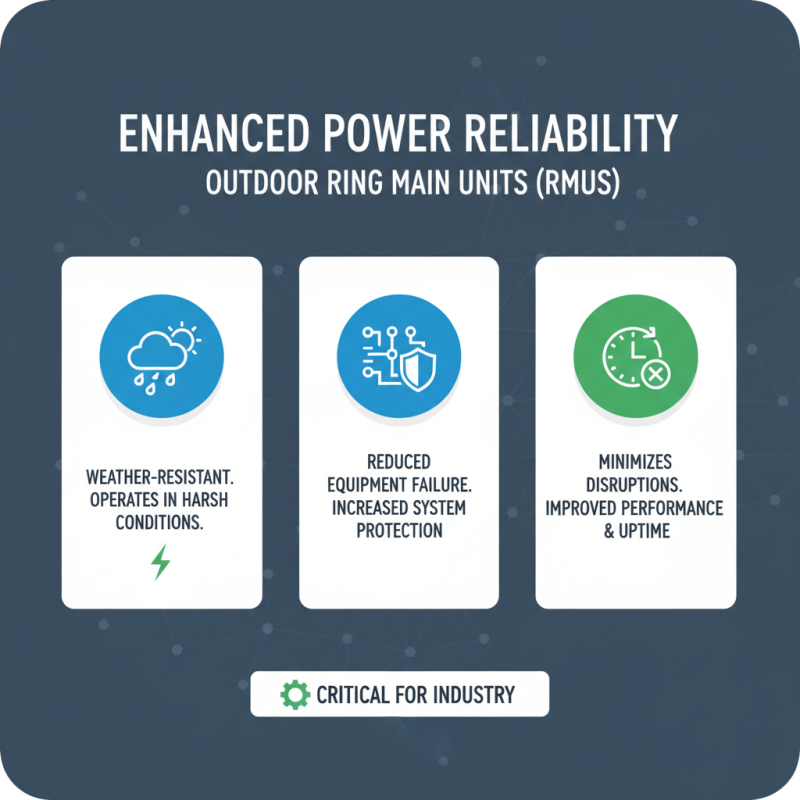
Outdoor Ring Main Units offer several advantages, such as enhanced safety and reduced interruptions during faults. These units can withstand harsh environmental conditions. They help maintain the stability of the power grid. However, their installation requires careful planning and adequate space.
Cost and maintenance can pose challenges. Some users may find initial investments high. Yet, the long-term benefits often outweigh these concerns. Those responsible for energy distribution must reflect on how to implement these systems effectively. Engaging with experts in this field can lead to better decision-making. As technology evolves, understanding the nuances of Outdoor Ring Main Units will be essential for future advancements.
Benefits of Outdoor Ring Main Units in Modern Power Distribution
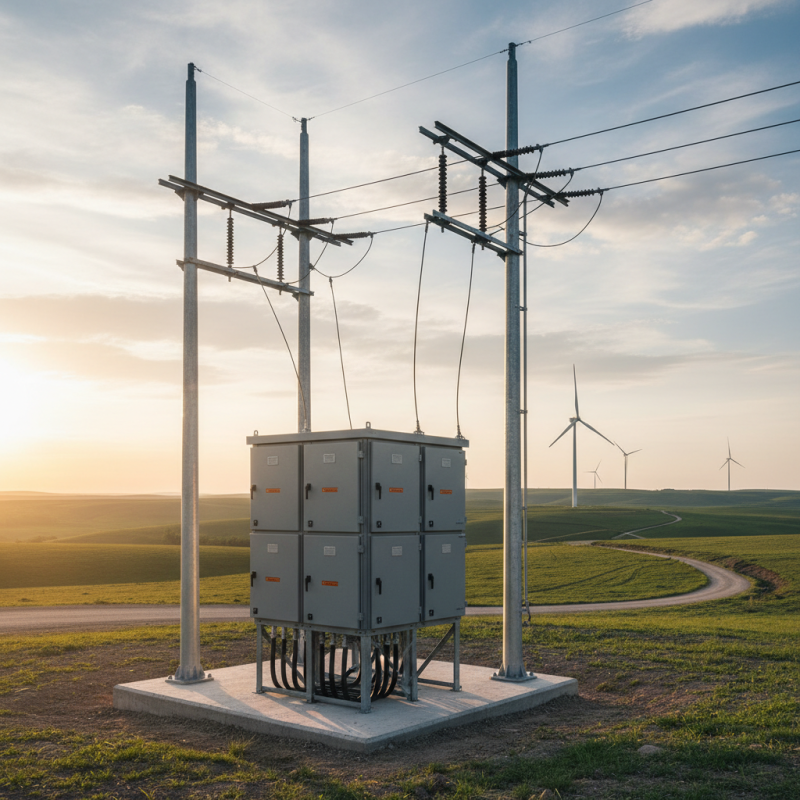
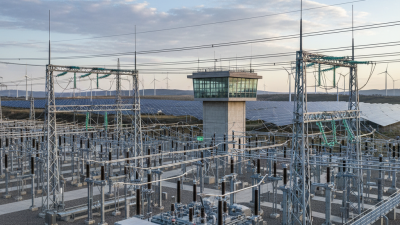
Outdoor Ring Main Units (RMUs) play a crucial role in modern power distribution. They offer enhanced efficiency and reliability. These units are designed to withstand various weather conditions, which makes them ideal for outdoor installations. Their durable construction protects them from elements like rain, snow, and extreme temperatures. This resilience ensures a continuous power supply, even in challenging environments.
Another significant benefit is the ease of maintenance. Outdoor RMUs allow for easier access compared to indoor units. This feature can reduce downtime during power outages. Additionally, they often incorporate advanced technology for monitoring electrical systems. Real-time data can help operators make informed decisions and anticipate potential issues. Failure to monitor can lead to costly outages.
However, these systems are not without their challenges. Installation can be complex and requires skilled labor. Improper installation can lead to failures. Moreover, outdoor units may face vandalism or accidental damage. These risks should not be overlooked. Regular inspections are crucial to address any wear and tear. With thoughtful planning, the benefits of outdoor RMUs can significantly improve power distribution systems.
Optimized Space Utilization and Infrastructure Flexibility
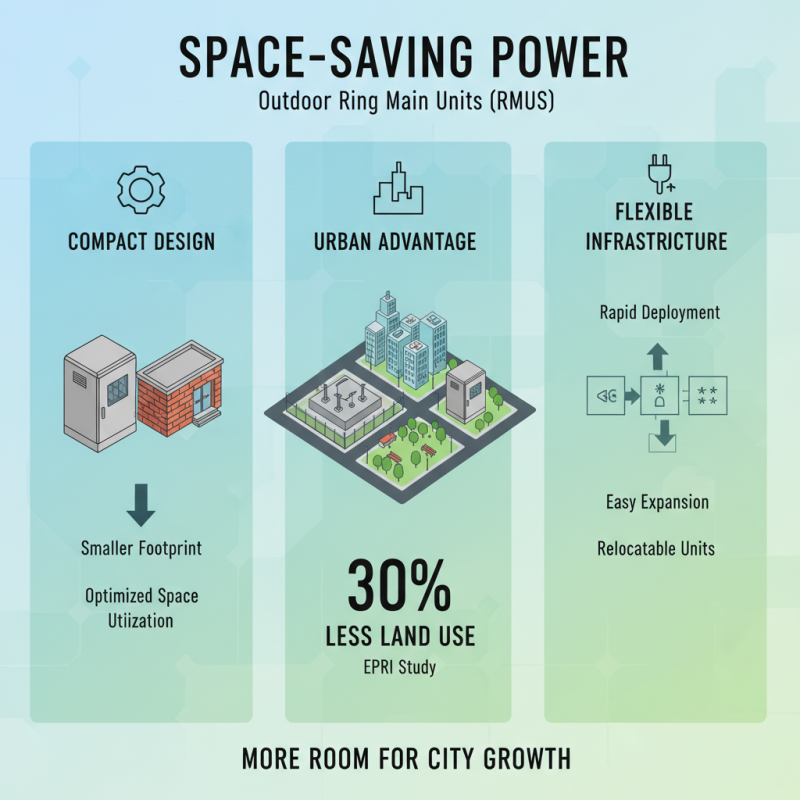
Outdoor ring main units (RMUs) are revolutionizing power distribution by offering optimized space utilization and infrastructure flexibility. In urban settings, where space is often limited, these compact units can be strategically placed. According to the Electric Power Research Institute, the adoption of RMUs can reduce land use by as much as 30%. This reduction helps cities repurpose valuable space for other needs.
Infrastructure flexibility is another key benefit. RMUs can easily adapt to changing demands, allowing for quick upgrades. A report by the International Energy Agency highlights that the ability to integrate renewable energy sources is crucial in modern grids. Outdoor RMUs facilitate this integration with minimal disruption. With their modular designs, they can be scaled up or down as necessary, addressing evolving community energy needs.
However, the implementation of outdoor RMUs is not without challenges. Some installations have faced issues in harsh weather conditions, resulting in maintenance concerns. It is essential to prepare for potential vulnerabilities in extreme environments. Continual assessment and innovation in designs may be needed to counteract these drawbacks.
Improved Maintenance Accessibility and Safety Features
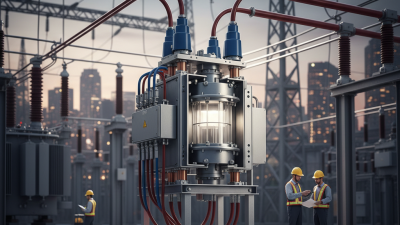
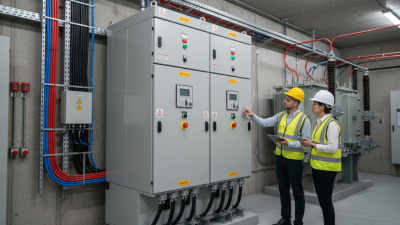
Outdoor ring main units (RMUs) are designed with enhanced maintenance accessibility and safety features. This improvement is critical in managing electrical distribution effectively. With easily accessible components, maintenance teams can conduct inspections more efficiently. This means less downtime and quicker response to issues. Proper access reduces the risk of accidents. Technicians can work safely without complex setups.
Safety features are built into the design of these units. Robust enclosures protect against environmental factors. This durability aids in maintaining safety standards. Automated systems alert operators to malfunctions. Alarms can prevent dangerous situations before they escalate. However, despite these advancements, training for personnel is essential. Even the best designs can lead to errors if not understood. Regular training and drills are needed to keep the staff prepared.
The focus on ease of maintenance does have its limitations. In some cases, accessibility can compromise security. For example, frequent openings may increase the risk of unauthorized access. Balancing security and maintenance accessibility is an ongoing challenge. A thoughtful approach is required to ensure efficiency without compromising safety. Regular assessments should be made to refine these processes.
Cost-Effectiveness and Energy Efficiency in Operations
The rise of outdoor ring main units (RMUs) has transformed power distribution. One critical aspect is their cost-effectiveness. Recent studies indicate that RMUs can reduce installation costs by up to 30%. These units require less infrastructure due to their compact design, which minimizes labor time and material expenses. However, many projects struggle with underestimating these initial savings.
Energy efficiency is another key benefit. According to the International Energy Agency, efficient power distribution can lead to a reduction in losses of up to 15%. Outdoor RMUs can achieve this by optimizing power flow and reducing heat loss. Yet, there's a catch: maintaining efficiency requires regular monitoring and upkeep. Many operators overlook this, leading to potential energy waste.
Moreover, environmental factors play a role in performance. Industrial reports show that outdoor conditions can impact RMUs' efficiency and longevity. In areas with extreme temperatures, insulation and protective measures become crucial. Failing to address these can undermine the cost and energy savings achieved. Thus, while outdoor RMUs offer numerous benefits, attention to detail in their operation and maintenance cannot be ignored.
Top Outdoor Ring Main Unit Benefits for Efficient Power Distribution
| Benefit |
Description |
Cost-Effectiveness |
Energy Efficiency |
| Reduced Installation Costs |
Streamlined design allows for quicker installation and lower labor costs. |
High |
N/A |
| Modular Design |
Easily expandable for future load requirements without significant upgrades. |
Medium |
N/A |
| Improved Reliability |
Designed for outdoor environments, providing robust protection against weather. |
High |
N/A |
| Lower Maintenance Costs |
Durable components lead to fewer repairs and longer service intervals. |
High |
N/A |
| Energy Management |
Integrated monitoring systems for efficient energy distribution and loss reduction. |
Medium |
High |
| Sustainability |
Use of materials and technology that support environmentally friendly operations. |
Medium |
High |







 Claire
 Mr.Fu
Mr.Fu

 Claire