2026 How to Optimize Gas Insulated Substations for Enhanced Efficiency?
In recent years, the efficiency of Gas Insulated Substations (GIS) has gained significant attention. Experts like Dr. Alex Thompson, a noted figure in the energy sector, emphasize, "The future of energy depends on optimizing our infrastructure." This highlights the pressing need for advancements in GIS technology.
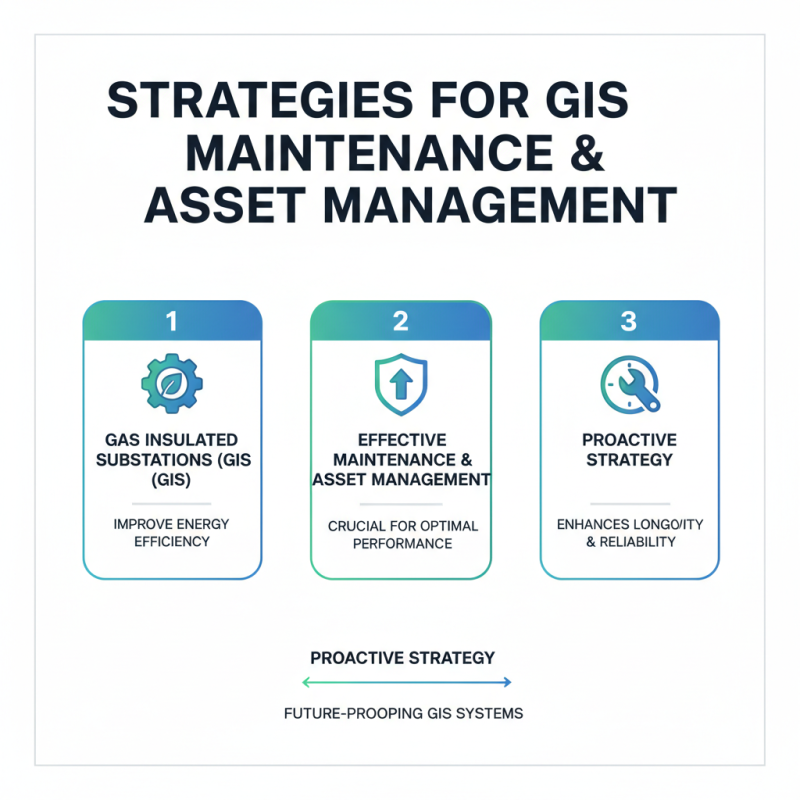
Gas Insulated Substations are critical for modern power distribution. Their compact design saves space, but inefficiencies can still arise. Regular maintenance and innovative upgrades are crucial to ensuring optimal performance. However, many facilities still struggle with outdated systems.
Improving gas insulated technologies can lead to substantial energy savings. With evolving regulations and market demands, the industry faces challenges and opportunities. It’s essential to critically evaluate current practices and explore new solutions. The journey toward enhanced efficiency is ongoing, with room for improvement.
Importance of Gas Insulated Substations in Modern Power Systems
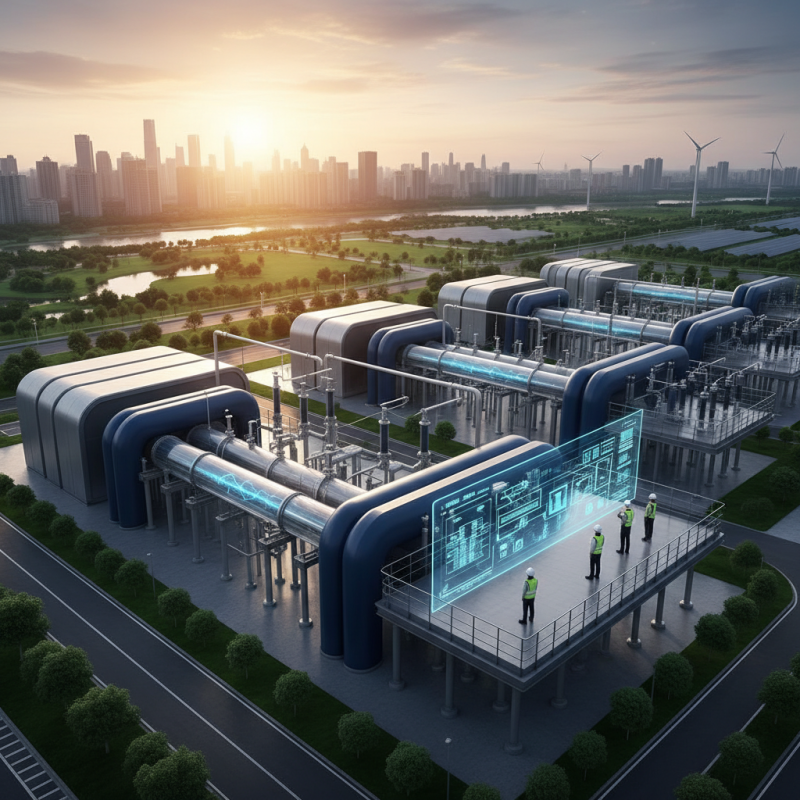
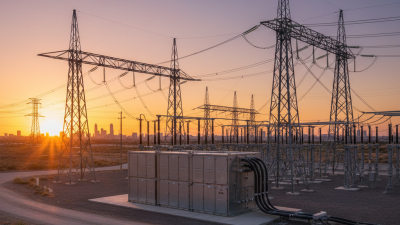
Gas Insulated Substations (GIS) are crucial in contemporary power systems. They offer a compact solution for electrical grids, especially in urban areas where space is limited. By housing electrical components in a sealed environment, GIS reduces the risk of contamination and weather-related damage. These substations enhance reliability, which is essential for modern infrastructure.
Yet, designing GIS is not without challenges. Engineers must ensure that all components operate efficiently. The installation process can be complex and costly. Poor design choices may lead to maintenance issues. It’s important to choose materials and technologies wisely. Small oversights can result in larger operational inefficiencies.
Regular monitoring is key to maintaining performance. Real-time data can highlight potential failures before they escalate. However, the need for skilled personnel makes this task daunting. A balance must be struck between technology advancements and workforce training. Overall, while GIS play an integral role, there is room for improvement in their optimization.
Key Components of Gas Insulated Substations and Their Efficiency
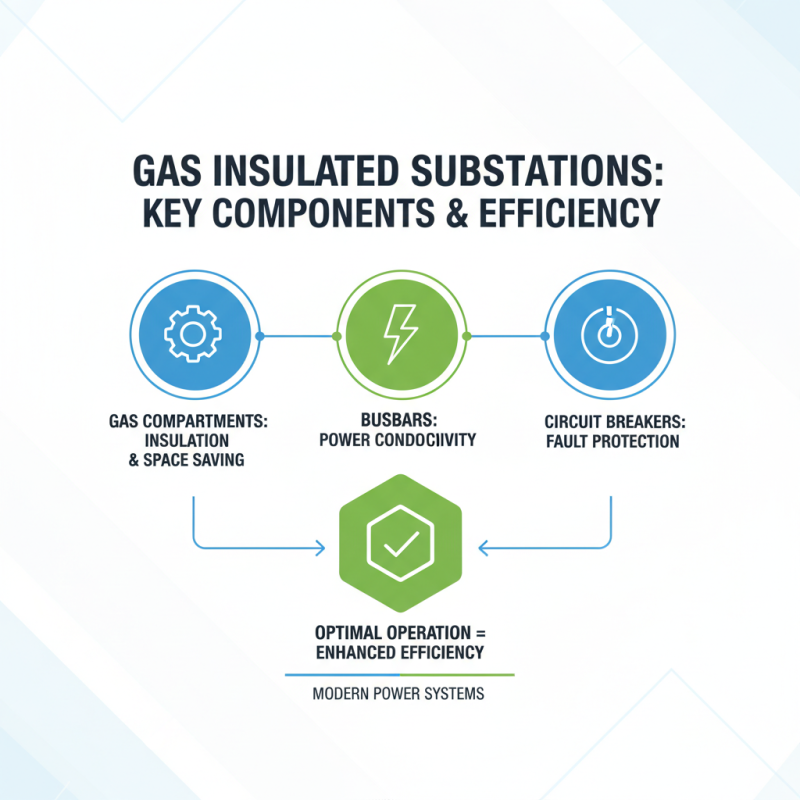
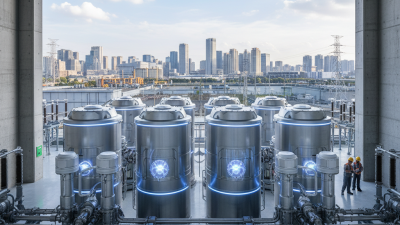
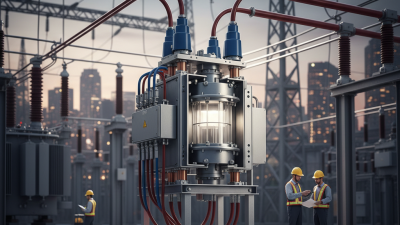
Gas insulated substations (GIS) are crucial for modern power systems. They utilize insulating gas to minimize space and enhance efficiency. Key components of GIS include gas compartments, busbars, and circuit breakers. Each of these components plays a significant role in overall performance. Ensuring they operate optimally is essential for efficiency.
Tip: Regular maintenance is critical. Inspect gas compartments for leaks. Over time, seals can wear out, affecting performance. Replace worn seals promptly to avoid efficiency losses.
Busbars must be properly sized. An undersized busbar can lead to overheating. This compromises safety and efficiency. Use thermal analysis tools to ensure proper sizing according to load conditions.
Circuit breakers are the heart of GIS. Ensure they operate correctly. Faulty breakers can hinder overall system efficiency. Implement regular testing protocols to identify issues early.
Tip: Embrace digital monitoring. It enhances visibility into component health. Real-time data can help prevent unexpected failures, ultimately improving efficiency across the whole system.
Advanced Technologies for Monitoring and Control in GIS
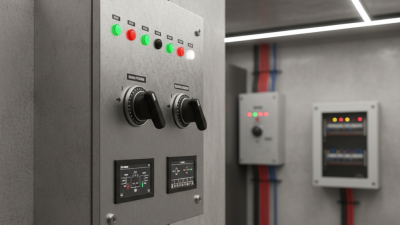
Gas Insulated Substations (GIS) are pivotal in today’s energy landscape. Monitoring and control technologies are essential for enhancing their efficiency. Advanced sensors, like temperature and pressure monitors, provide real-time data. This allows operators to detect anomalies early. However, increased data volume can overwhelm traditional systems.
To address this, predictive analytics become crucial. They can analyze trends and forecast potential failures. Integrating machine learning improves accuracy. Yet, reliance on such technologies raises questions. What if the algorithms fail? Data quality and input calibration must be regularly assessed. Human oversight remains vital.
Remote monitoring enhances situational awareness. Operators can manage equipment from afar, maximizing response times. Still, cybersecurity threats loom large. Vulnerability in these systems can disrupt operations. Regular updates and robust security protocols are non-negotiable. Balancing innovation with vigilance is necessary for optimal GIS performance.
Future Trends and Innovations to Enhance GIS Efficiency
The future of Gas Insulated Substations (GIS) looks promising, particularly in the context of efficiency enhancement. Recent industry reports indicate that GIS technology can achieve energy savings of up to 30% compared to traditional substations. Innovations such as advanced monitoring systems play a significant role in this improvement. These systems enable real-time data collection and analysis, allowing operators to make informed decisions quickly.
Emerging trends also include the integration of artificial intelligence and machine learning. These technologies can predict equipment failures and optimize maintenance schedules, potentially reducing downtime by 25%. Additionally, the use of eco-friendly gases is gaining traction. Sulfur hexafluoride (SF6) has been widely used, but alternatives with lower global warming potential are being explored.
Challenges remain, however. Many utilities still face resistance in adopting these new technologies. Training personnel to adapt to advanced systems can be daunting. Furthermore, the initial costs of implementing these innovations can also be a barrier. As the industry moves forward, ongoing dialogue about these challenges will be crucial for realizing the full potential of GIS enhancements.
2026 Gas Insulated Substations Efficiency Optimization






 Claire
 Mr.Fu
Mr.Fu

 Claire