The optimization of electric switchyards has become increasingly critical as the demand for reliable and efficient electrical infrastructure grows worldwide. According to the International Energy Agency, global electricity demand is expected to increase by 30% by 2040, emphasizing the need for enhanced performance within the electrical grid. Electric switchyards, which act as crucial nodes that manage the distribution and transmission of electrical power, must be designed and maintained with a focus on safety, efficiency, and adaptability to evolving technologies. A report by the Electric Power Research Institute highlights that well-optimized switchyards can significantly reduce operational downtime and maintenance costs, leading to improved overall system reliability.
In the context of modern energy challenges, the importance of optimizing electric switchyards cannot be overstated. The integration of renewable energy sources, along with advancing technologies like smart grid systems, necessitates a reevaluation of traditional switchyard designs. As outlined in a 2020 study by the U.S. Department of Energy, enhancing the safety features and operational efficiency of electric switchyards is paramount to accommodating fluctuations in energy supply and demand, which are increasingly characterized by volatility. Therefore, adopting innovative strategies for optimization is essential to reinforce the stability and safety of the electrical grid, ultimately supporting sustainable energy development initiatives globally.
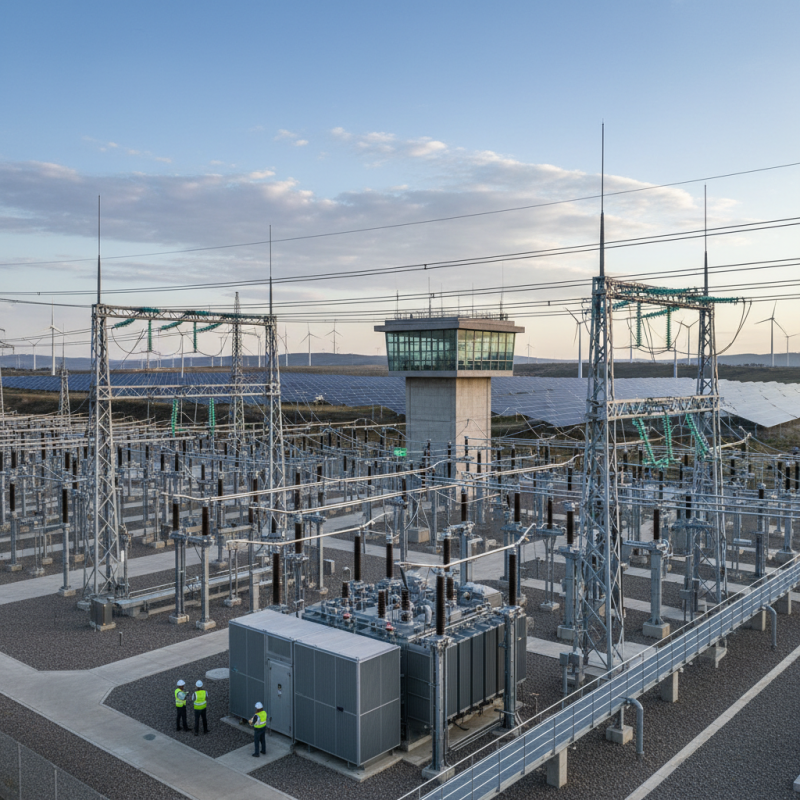
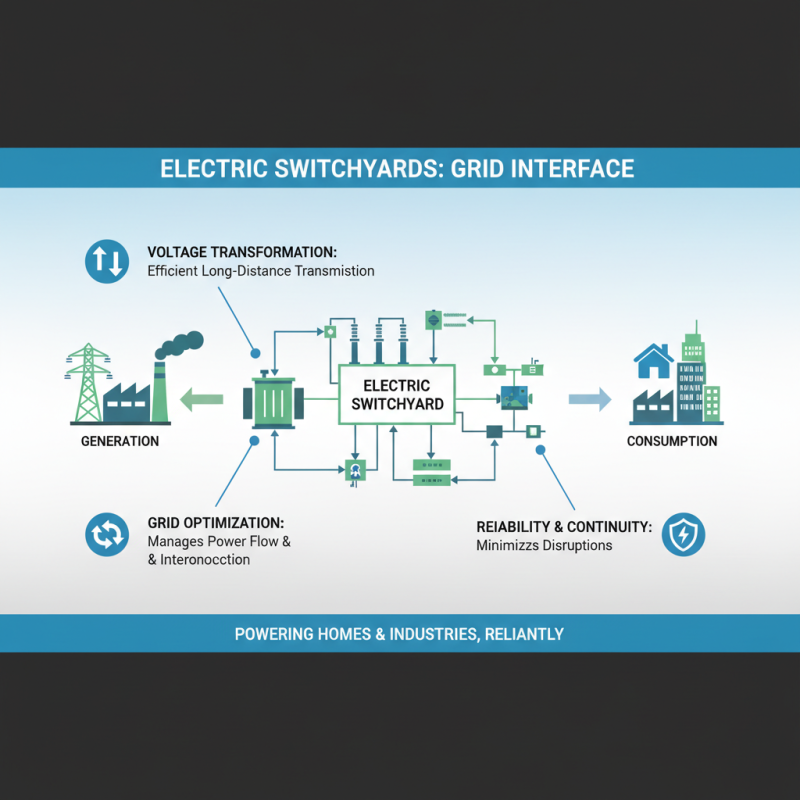
Electric switchyards play a crucial role in the power distribution network, acting as the interface between generation and consumption. They serve to transform voltage levels, ensuring that electricity generated at power plants can be efficiently transmitted over long distances and then distributed to various end users. Switchyards facilitate the interconnection of different transmission lines and substations, optimizing power flow and improving the reliability of the electrical grid. Thus, their proper functioning is essential for maintaining continuous electricity supply and minimizing disruptions that could affect households and industries alike.
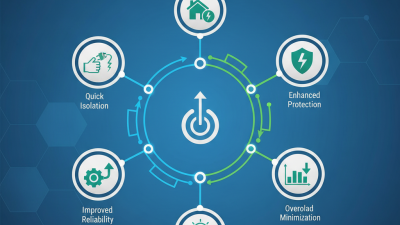
In addition to their technical functions, electric switchyards contribute significantly to the safety of power distribution systems. By integrating advanced protection mechanisms and control technologies, switchyards help prevent overloads, faults, and other hazardous conditions that may arise in the electrical network. This not only safeguards infrastructure but also ensures worker and public safety. Understanding the significance of switchyards is vital for utilities and engineers alike, as it underscores the need for ongoing maintenance and optimization efforts to enhance performance and reliability in the ever-evolving landscape of energy distribution.
Electric switchyards play a critical role in the efficient transmission and distribution of electrical power. At the heart of their operation are several key components, each functioning in tandem to ensure reliability and safety. Circuit breakers serve as essential devices that reliably interrupt current flow during faults, thus protecting equipment and enhancing operational safety. Transformers, another vital component, are responsible for stepping up or down voltages to suit various transmission needs, facilitating effective power distribution over long distances.
In addition to circuit breakers and transformers, disconnect switches and grounding systems play crucial roles in enhancing switchyard performance. Disconnect switches provide a means to isolate sections of the switchyard for maintenance or emergency situations, ensuring that personnel can work safely. Grounding systems are equally important, designed to direct fault currents safely to the ground, minimizing electrical hazards and maintaining system stability. The interactions between these components—through synchronizing their operations and ensuring proper protection mechanisms—are fundamental to optimizing the functionality of electric switchyards, leading to greater overall system efficiency and enhanced operational safety.
This chart displays the key components of electric switchyards and their interaction with performance and safety metrics. The data represents a hypothetical evaluation across different components of switchyards for optimized functioning.
Electric switchyards play a crucial role in the efficient distribution of electricity, making it essential to prioritize safety measures within these facilities. To enhance safety, the implementation of comprehensive training programs for personnel is vital. Regular workshops and safety drills familiarize staff with emergency protocols, ensuring they are well-prepared to respond to potential hazards effectively. Additionally, fostering a safety-first culture encourages employees to prioritize safety in their daily operations, thereby reducing the likelihood of accidents.
Another key strategy for improving safety in electric switchyards involves the integration of advanced monitoring and maintenance technologies. Utilizing condition-based monitoring systems allows for real-time assessment of equipment health, enabling timely interventions before failures occur. Furthermore, regular inspections and maintenance schedules should be strictly adhered to, ensuring that all components, from transformers to circuit breakers, remain in optimal condition. This proactive approach minimizes the risk of malfunctions that can lead to dangerous situations, thereby safeguarding both personnel and equipment. By focusing on education and technology, electric switchyards can significantly enhance their safety measures, ultimately contributing to a more secure and efficient electricity distribution system.
As the energy sector evolves, optimizing electric switchyards has become imperative for enhancing performance and safety. Advanced technology and automation play crucial roles in achieving these objectives. According to a recent report by the International Energy Agency (IEA), the integration of automation technologies can improve operational efficiency by up to 25% while significantly reducing human errors that typically compromise safety in switchyards. The use of smart grid technology facilitates real-time monitoring and control, allowing utility operators to optimize load management and swiftly respond to any anomalies.
Tips for optimizing switchyards include investing in predictive maintenance tools that utilize machine learning algorithms. These tools can analyze historical data and predict potential failures before they occur, ensuring that switchyards remain operational and safe. Additionally, employing advanced sensor technologies can enhance situational awareness, allowing for better decision-making under various operational conditions. The implementation of these technologies not only bolsters safety protocols but also helps in maximizing the lifespan of equipment across the switchyard.
Furthermore, automation through the use of remote control systems can streamline operational processes, reducing the need for on-site personnel during routine tasks. A report from the Electric Power Research Institute (EPRI) indicates that automation can lead to a 15% reduction in operational costs by minimizing manual intervention. Embracing these advanced solutions not only boosts overall performance but also aligns with the global push towards more efficient and safer energy production and distribution systems.
Maintaining electric switchyards is critical for ensuring their long-term reliability and performance. A proactive maintenance strategy should focus on regular inspections and assessments of key components such as transformers, circuit breakers, and disconnect switches. Implementing a scheduled maintenance program can help identify potential issues before they escalate into major problems, reducing downtime and maintenance costs. It's essential to check for signs of wear, corrosion, and insulation failure during these inspections to ensure that all systems operate optimally.
In addition to routine inspections, incorporating advanced diagnostic tools and techniques can enhance maintenance practices. Utilizing thermal imaging cameras, partial discharge detection, and vibration analysis can provide deeper insights into the condition of switchyard equipment. These technologies enable maintenance teams to monitor the health of the infrastructure continuously and make data-driven decisions. Furthermore, training personnel on the latest maintenance practices and safety protocols is crucial, as well-trained staff can respond effectively to any emerging issues, ensuring both safety and reliability in operations.