How to Optimize Electric Switchyards for Maximum Efficiency?
Electric Switchyards play a pivotal role in the power distribution network. They are critical for managing electricity flow from various sources, including renewable energy. According to the U.S. Department of Energy, efficient switchyard operations can reduce transmission losses by up to 30%. This efficiency is paramount as global energy demand continues to rise, projected to grow by 25% by 2040.
In optimizing Electric Switchyards, factors such as technology integration and maintenance practices are essential. For example, a study by the International Energy Agency showed that automating processes in switchyards could enhance operational efficiency by 15%. However, challenges remain. Many facilities still rely on outdated technologies, leading to inefficiencies and increased operational costs.
Addressing these issues requires a thorough assessment of current practices. Investing in advanced monitoring systems can create transparency. Technologies like real-time data analytics can provide actionable insights. Yet, complacency in existing operations often hinders progress. Striking a balance between upgrading infrastructure and ensuring reliability is crucial for maximizing efficiency in Electric Switchyards.

Key Components of Electric Switchyards and Their Functions
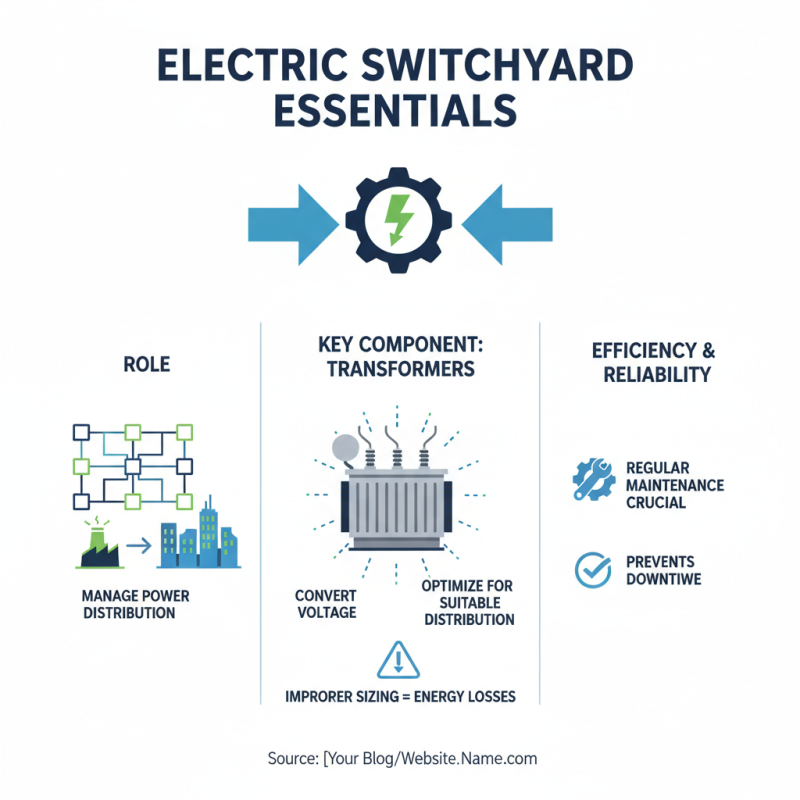
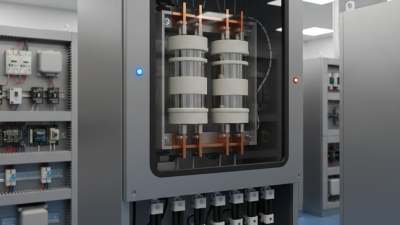
Electric switchyards play a crucial role in managing power distribution. Understanding their key components helps in optimizing efficiency. Transformers are vital. They convert voltage levels, ensuring electricity is suitable for distribution. Improper transformer sizing can lead to energy losses. Regular maintenance is essential.
Switchgear is another important element. It controls power flow and protects equipment from faults. If the switchgear malfunctions, it can cause system failures. Incorporating modern technology can improve performance, but it requires constant updates. Keeping spare parts on hand is often overlooked but vital for quick repairs.
Busbars distribute electricity between components. They carry high currents and must be sized correctly. Incorrect sizing can lead to overheating. Monitoring systems help identify issues early. Without them, failures can go unnoticed. Engaging in regular analysis and upgrades may seem tedious. However, it is necessary for long-term efficiency.
Identifying Efficiency Challenges in Electric Switchyards
Electric switchyards are crucial for energy distribution. However, they face efficiency challenges that can hinder performance. According to the International Energy Agency, energy losses in electrical systems can account for up to 10% of total production. This inefficiency often stems from outdated equipment and improper maintenance.
A common issue in switchyards is thermal management. Suboptimal cooling systems can lead to overheating, which affects equipment lifespan. The Electric Power Research Institute reports that regular thermal imaging can catch hot spots early, potentially saving up to 5% on operational costs. Another challenge is the increase in electric loads, which may exceed the original design specifications. This can create wear and tear on switchyard components, leading to failures.
Moreover, workforce training is frequently overlooked. Operators must understand the technology and systems in use. The lack of training can lead to mistakes that compromise safety and efficiency. Proper training programs can enhance operational habits. Without consistent evaluation and updating of skills, inefficiencies may continue to grow. Addressing these challenges requires a multi-faceted approach, focusing on both technology and human resources.
Efficiency Challenges in Electric Switchyards
Strategies for Enhancing Equipment Performance in Switchyards
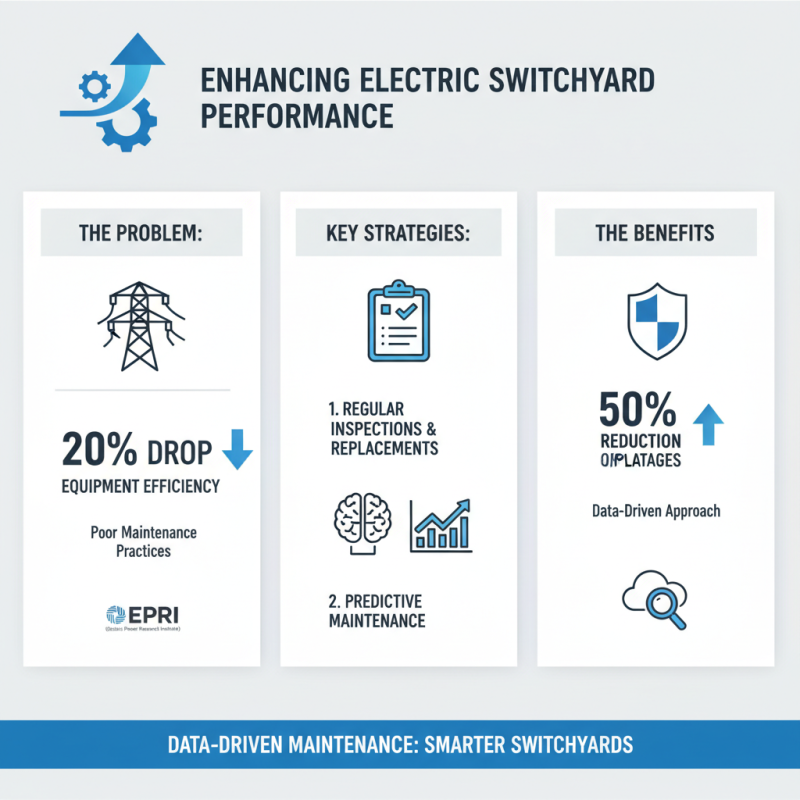
To enhance equipment performance in electric switchyards, a data-driven approach is essential. According to the Electric Power Research Institute, poor maintenance practices can lead to a 20% drop in equipment efficiency. Regular inspections and timely replacements help mitigate this issue. Implementing predictive maintenance is another key strategy. This approach uses data analytics to foresee potential failures. Studies indicate that predictive maintenance can reduce unplanned outages by 50%.
Analyzing thermal performance is also crucial. Monitoring temperature variations can prevent overheating. The National Renewable Energy Laboratory found that maintaining optimal temperature levels can extend equipment life by up to 30%. Additionally, integrating IoT technologies enables real-time data collection. This ensures that decision-makers have accurate information to tweak operations, thus enhancing overall performance.
One must be aware of the limitations in existing systems. Aging infrastructure often hinders efficiency. Upgrading outdated switchgear may seem expensive, but the long-term savings can be significant. The U.S. Department of Energy reports that modernizing electric grids could save around $43 billion annually. Balancing cost and performance requires thoughtful evaluation and planning. It’s essential to learn from inefficiencies and adapt strategies continuously.
Implementing Advanced Monitoring and Control Systems
Implementing advanced monitoring and control systems in electric switchyards can lead to significant improvements in efficiency. According to a recent industry report, integrating real-time data analytics can enhance operational visibility by up to 70%. This visibility helps in identifying inefficiencies and making proactive adjustments. Identifying potential issues early can prevent costly downtime, which can affect the overall productivity of the facility.
Tips: Use predictive maintenance tools. These systems can analyze historical data to forecast equipment failures. This can decrease repair costs by 30% and extend the lifespan of assets. Monitoring energy consumption patterns is also crucial. Adjusting load balancing can optimize resource allocation.
However, not all systems are created equal. Some data collection methods may produce excessive noise, complicating the analysis. It’s essential to refine these systems continually. Regular audits can highlight areas that need improvement. By focusing on actionable insights, switchyards can align with best practices in energy management. Ultimately, the goal is to create a more resilient and responsive electric grid.
How to Optimize Electric Switchyards for Maximum Efficiency? - Implementing Advanced Monitoring and Control Systems
| Parameter |
Current Value |
Target Value |
Optimization Status |
| Power Loss (%) |
5 |
2 |
In Progress |
| Response Time (ms) |
50 |
20 |
On Track |
| Availability (% Daily) |
98 |
99.5 |
Stable |
| Emissions (kg CO2/kWh) |
0.5 |
0.3 |
Initiated |
| Operational Costs ($/year) |
1,200,000 |
900,000 |
In Evaluation |
Regular Maintenance Practices for Optimal Switchyard Operation
Regular maintenance is crucial for the efficient operation of electric switchyards. Without it, performance can drop significantly. Schedule periodic inspections to catch potential issues early. Visual checks of equipment can reveal wear or corrosion. Inspecting connections is also vital; loose connections can cause overheating and system failures.
Cleaning is often overlooked but essential. Debris and dust can accumulate on equipment, reducing effectiveness. Ensure that cooling systems are free from obstructions. Test equipment functionality regularly. This helps identify any deviation from performance standards. It’s easy to forget.
Documentation plays a key role in maintenance practices. Keep detailed records of inspections and repairs. This makes it easier to track issues over time. Regular reviews of maintenance logs can reveal patterns. Are there recurring problems? If so, that warrants further investigation. Embracing a proactive maintenance culture can go a long way in maximizing efficiency.







 Claire
 Mr.Fu
Mr.Fu

 Claire