10 Essential Tips for Maximizing Efficiency in Distribution Substation Operations
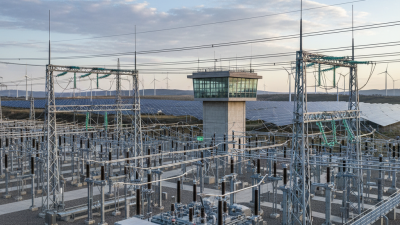
Efficient operations in a Distribution Substation are crucial for reliable energy delivery. These facilities serve as key points for transforming and distributing electricity. When optimized, a Distribution Substation maximizes output and minimizes downtime.
Many factors impact efficiency. For example, equipment maintenance is often overlooked. Regular checks can prevent unexpected failures. Furthermore, staff training plays a vital role. Well-trained personnel can identify issues quickly and react appropriately.
Moreover, technology adoption is essential in today’s grid. Smart meters and monitoring tools can vastly improve operations. However, not all substations utilize these advancements. This gap highlights the need for reflection and improvement. Addressing these areas can lead to a more effective, reliable Distribution Substation.
Understanding the Role of Distribution Substations in Power Delivery
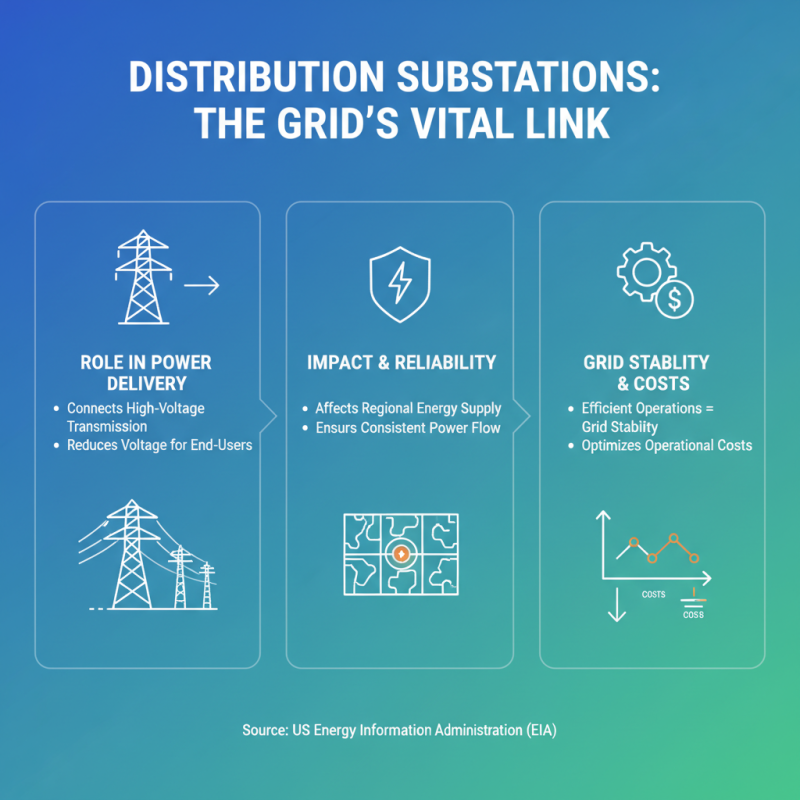
Distribution substations play a critical role in power delivery, acting as the vital link between high-voltage transmission systems and end-users. According to the U.S. Energy Information Administration, these substations can affect the reliability of energy supply across vast regions. Efficient operations within these facilities can contribute significantly to grid stability and operational costs.
One way to enhance efficiency is through regular maintenance. Scheduled inspections reduce unexpected failures. It is also essential to utilize advanced monitoring technologies. Real-time data helps identify potential issues before they escalate.
Another tip is staff training. A well-trained team can respond swiftly to incidents. Incorporating simulations in training can prepare workers for real-life scenarios. These actions increase overall safety and reliability. Ultimately, a focus on operational excellence in distribution substations can boost efficiency and customer satisfaction in power delivery.
Key Components of Distribution Substation Operations and Their Functions
Distribution substations play a crucial role in electricity delivery. These operations rely on key components, such as transformers, circuit breakers, and protective relays. Transformers adjust voltage levels, ensuring efficient energy transfer. Without them, power loss can spike, disrupting service.
Circuit breakers monitor electrical flow and protect the system from overloads. They function as safety nets, shutting down circuits when issues arise. However, their maintenance often goes overlooked. It’s essential to prioritize this hardware, avoiding potential failures that could lead to costly downtime.
Protective relays constantly assess electrical conditions. They detect faults and trigger circuit breakers to act swiftly. Yet, sometimes, their settings may misinterpret situations, causing unnecessary interruptions. Regular evaluations of these settings can help reduce mistakes. Small errors can result in larger issues, disrupting operations at a pivotal time. Emphasizing attention to these components is key in enhancing efficiency in distribution substations.
10 Essential Tips for Maximizing Efficiency in Distribution Substation Operations
Strategies for Efficient Workflow Optimization in Substation Tasks
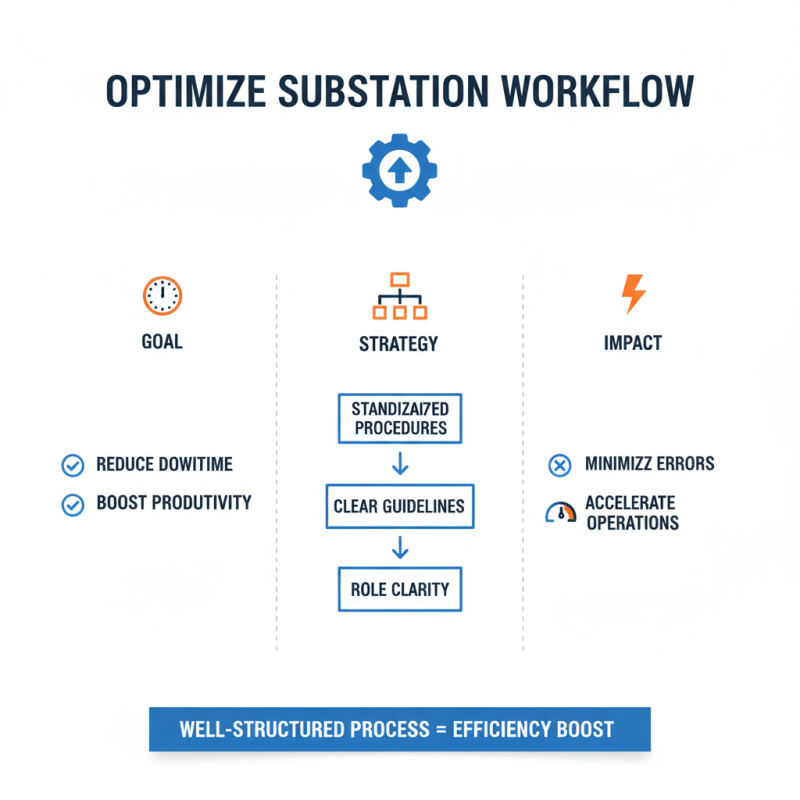
In distribution substation operations, optimizing workflow is crucial. Efficient tasks can reduce downtime and enhance productivity. One effective strategy is to implement standardized procedures. Clear guidelines help workers understand their roles better. This minimizes errors and speeds up operations. A well-structured process can make a significant difference.
Regular training is vital. Workers need to stay updated with the latest techniques and safety protocols. However, not everyone benefits equally from training. Some may still struggle with complex tasks. This inconsistency can slow down workflow, creating bottlenecks. Continuous assessment and personalized coaching can boost individual performance.
Additionally, embracing technology can streamline operations. Automated systems can take over repetitive tasks, leaving staff to focus on critical functions. Yet, technology alone cannot resolve all inefficiencies. Human oversight is still necessary for troubleshooting and maintenance. Finding the right balance between tech and human intervention is essential. It requires ongoing reflection and adjustment to truly optimize workflow in substation tasks.
Implementing Advanced Technologies to Enhance Operational Efficiency
Advanced technologies are reshaping distribution substation operations. Implementing smart grids is a prime example. According to a recent industry report, smart grids can increase operational efficiency by up to 30%. These systems provide real-time data and analytics. They help in monitoring equipment health and predicting failures. But many facilities still rely on outdated systems. This creates inefficiencies and risks.
Automation tools are also vital. They improve response times to outages and system disturbances. Studies show that automation can reduce operational costs by 15-25%. However, transitioning to these technologies can be challenging. There is often resistance from staff unaccustomed to new methods. Training and change management are critical to overcoming this hurdle.
Data management remains crucial in enhancing efficiency. Comprehensive data analytics can identify patterns in energy consumption. For instance, predictive analytics can forecast peak demand periods accurately. Yet, too many substations still lack robust data strategies. This oversight can lead to missed savings opportunities. Embracing advanced technologies is essential but requires careful planning and execution. The road to efficiency is not without bumps.
Best Practices for Safety and Maintenance in Distribution Substations
Distribution substations play a crucial role in electricity distribution. Prioritizing safety and maintenance is vital for effective operations. Regular inspections can help identify issues before they escalate. Utilize checklists to ensure no detail is overlooked. This practice may seem tedious but can prevent serious problems.
Staff training is essential. Workers should be knowledgeable about safety protocols. Implementing safety drills can reinforce good habits. Encourage feedback to help improve these practices. It's easy to overlook minor details, but they can lead to significant incidents.
Additionally, keep the workspace organized. A clutter-free environment reduces risks. This approach may not seem crucial, but it impacts operational efficiency. Encourage all team members to maintain tidy work areas. Reflecting on daily activities helps identify areas for improvement and promotes better outcomes.








 Claire
 Mr.Fu
Mr.Fu

 Claire