How to Install an Electric Ring Main for Optimal Home Wiring
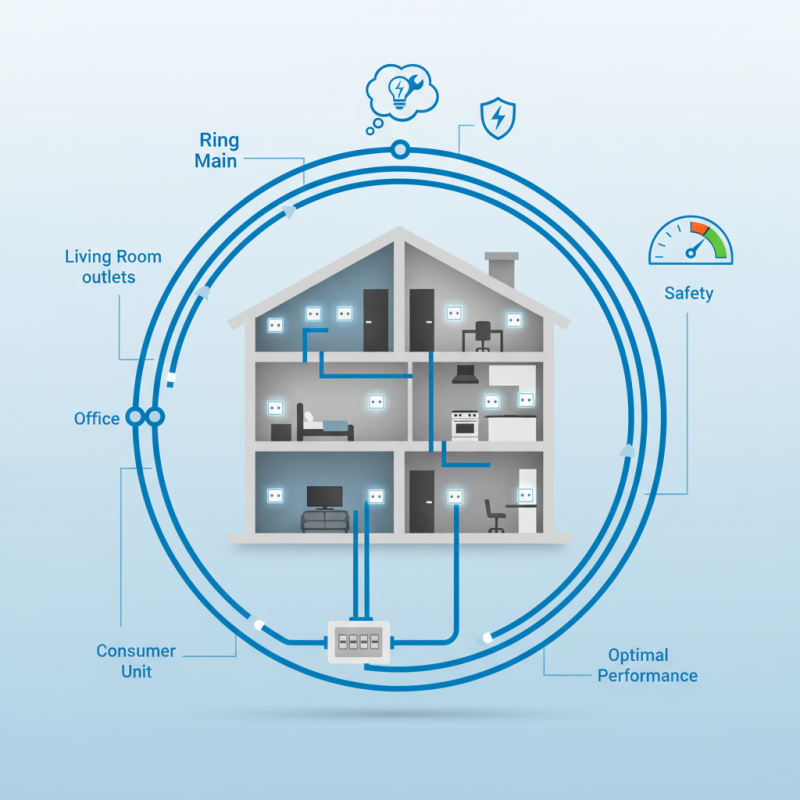
Installing an Electric Ring Main can significantly enhance your home's wiring efficiency. This system not only provides reliable power but also ensures safety. A well-planned Electric Ring Main distributes electricity evenly throughout your home.
When considering installation, think about your home's layout. Each room should have adequate outlets. This minimizes the need for extension cords. The right planning can prevent overloads and wiring issues.
Remember, proper installation is crucial. Mistakes can lead to serious consequences. Reflect on the process as you go. Each step matters, and a small oversight can create significant problems. By understanding these details, you can achieve optimal performance from your Electric Ring Main.
Understanding Electric Ring Mains and Their Benefits
Understanding Electric Ring Mains and Their Benefits
Electric ring mains are a popular wiring system in homes. They offer several advantages over traditional radial circuits. A ring main consists of two wires that form a loop, providing power from two directions. This feature enhances performance and safety. According to the Electrical Safety Council, ring mains can support multiple outlets without compromising power delivery. They are particularly effective in areas with high electricity demands, like kitchens.
One key benefit is efficiency. Electric ring mains can help reduce voltage drops, which frequently occur in radial systems. This means appliances receive consistent power, especially for those that draw high currents. Studies show that up to 20% of energy can be lost in poorly designed circuits. Using ring mains can mitigate these losses.
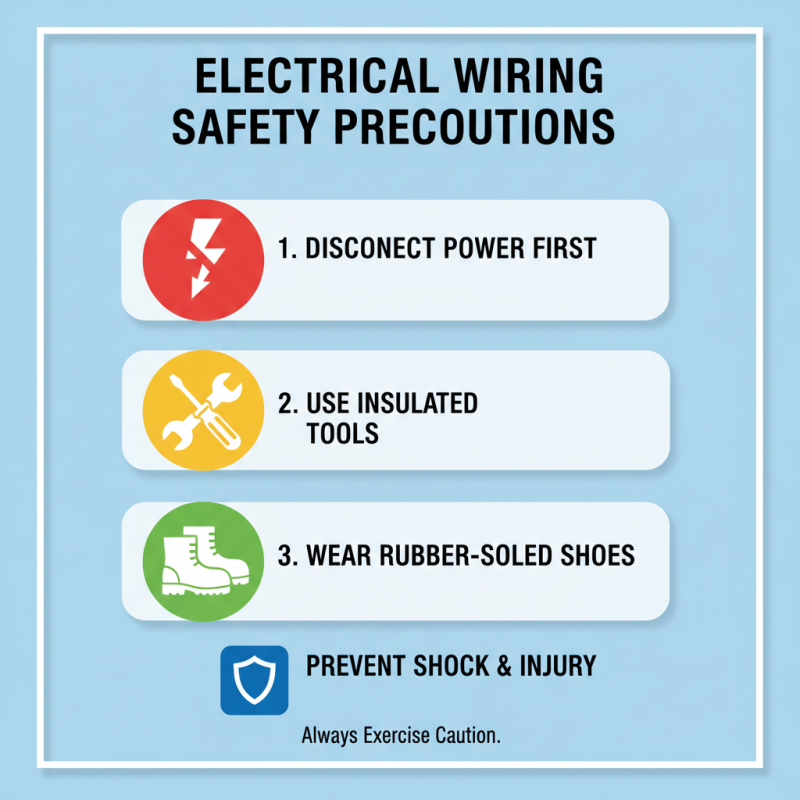
Tips: When installing a ring main, consider outlet placement carefully. This ensures optimal performance. Keep high-energy devices close to the ring. Avoid overloading the circuit with too many high-draw appliances. Regular inspections can help identify potential issues before they escalate. Ensure your wiring adheres to local regulations and safety standards. This is crucial for maintaining safety and efficiency.
Essential Tools and Materials for Ring Main Installation
When setting up an electric ring main, having the right tools and materials is crucial. Start with basic tools like a screwdriver, wire cutters, and a drill. You’ll also need a voltage tester to ensure safety. Harnessing these essentials can make the installation smoother. Don't overlook personal protective equipment like gloves and goggles. Mistakes can harm you and damage your setup.
Selecting materials wisely is equally important. Use quality wires, junction boxes, and connectors. Look for materials that meet safety standards; low-quality options can lead to future problems. Consider the gauge of your wires; it needs to suit your power needs. Think about the layout of your space, as this will affect your wiring paths. You might run into obstacles, like old wiring or structural elements. Each decision has its impact on performance, so reflect on your choices throughout the process. Adjustments may be necessary along the way, and that’s okay.
Electric Ring Main Installation: Essential Tools and Materials
Step-by-Step Guide to Installing a Ring Main Circuit
Installing an electric ring main in your home can enhance your wiring system significantly. This step-by-step guide will help you understand the process involved. Begin by assessing your home’s needs. Check the number of outlets required and their locations. Planning is crucial. Measure and mark where cables will run. It is okay if plans need adjustments later.
Next, gather essential tools and materials. You will need cables, connectors, and protective gear. Don’t overlook safety. A small mistake can lead to larger issues later. When running the cables, ensure they are properly secured. Pay attention to junction boxes. They help organize connections neatly. However, some beginners may struggle at this stage. It’s normal to feel overwhelmed.
Finally, test the circuit once installed. Ensure everything works as intended. If things do not seem correct, retrace your steps. There might be a simple fix waiting. Always reflect on what went well and what could improve next time. It’s a learning journey, even for seasoned DIYers.
Testing and Commissioning Your New Electric Ring Main
Testing and commissioning your new electric ring main is crucial for safety and functionality. After installation, each connection must be checked. This ensures that all parts are secure and work correctly.
According to recent electrical safety reports, over 30% of electrical installations fail initial testing. Common issues include loose connections and incorrect wiring.
Use a multimeter to assess each circuit. Check voltage levels and continuity. Ensure the circuit breaker functions properly. Inconsistent readings may indicate a wiring fault. National guidelines suggest performing these tests before switching on the power. It's advisable to document your findings for future reference.
Don’t overlook the importance of testing under load. Load testing ensures that the system can handle the expected demand. Reports highlight that more than 20% of faults occur only under load conditions. If your system fails at this stage, re-evaluate your installations.
Address any issues promptly. Safety should always be your priority.









 Claire
 Mr.Fu
Mr.Fu

 Claire