What is Gas Insulated Switchgear and Why is it Important?
Gas Insulated Switchgear (GIS) is a crucial component in modern electrical systems. It offers significant advantages over traditional air-insulated switchgear. GIS uses gas as an insulating medium, which allows for more compact designs. This feature is essential in urban areas where space is limited.
The reliability of Gas Insulated Switchgear is notable. It functions efficiently in various conditions, ensuring consistent performance. However, not all installations are perfect. Maintenance is key to avoid potential failures. Understanding the importance of GIS helps in making informed decisions in infrastructure development.
Moreover, Gas Insulated Switchgear contributes to safety. It reduces the risk of electrical hazards significantly. This is especially vital in populated areas. While GIS has many benefits, the technology is costly. Organizations must weigh these factors to ensure the best outcomes for energy management.
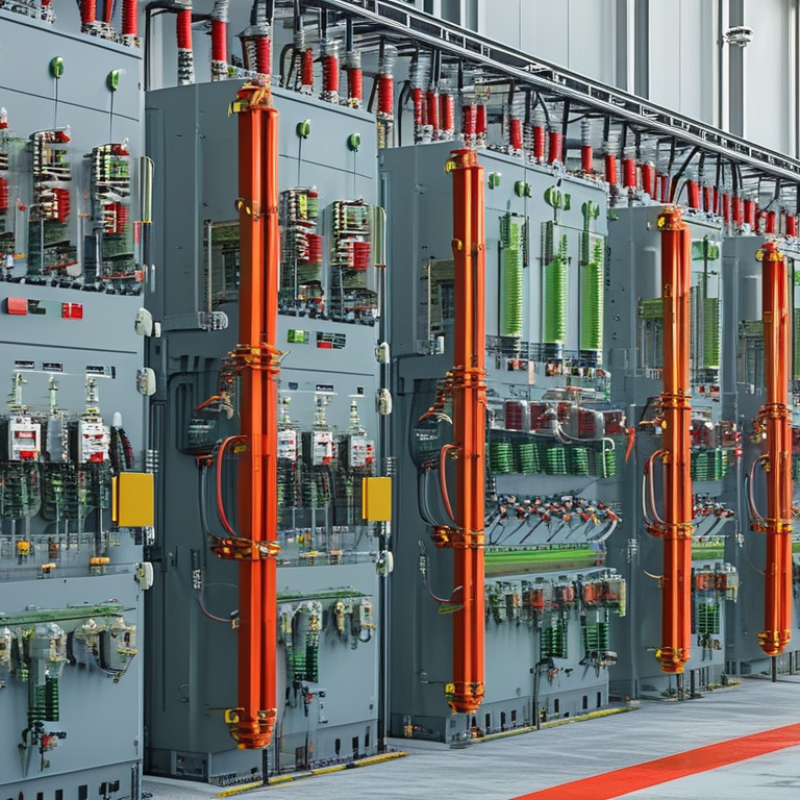
What is Gas Insulated Switchgear (GIS) and its Basic Components?
Gas Insulated Switchgear (GIS) is a compact and efficient technology used in electrical substations. It minimizes space requirements and offers robust protection from environmental hazards. GIS operates using gas, usually sulfur hexafluoride, as an insulating medium. This makes it ideal for areas with limited space or harsh conditions. The basic components of GIS include circuit breakers, disconnectors, and busbars.
[Image]
Each component serves a specific function. Circuit breakers protect the system from faults. Disconnectors ensure safety during maintenance. Busbars conduct electricity between system parts. These elements work together to manage electrical flow effectively. Their design enhances reliability, reducing failures and downtime. This reliability may have room for improvement, especially in service life and maintenance accessibility.
Understanding GIS is crucial in modern energy management. As energy demands grow, GIS offers a solution to increase capacity without expanding infrastructure. However, continual advancements are needed to address potential challenges. Balancing efficiency with sustainability remains a key focus in the industry. Acknowledging these aspects helps in developing better solutions for future energy needs.
Key Advantages of Gas Insulated Switchgear Over Air Insulated Switchgear
Gas Insulated Switchgear (GIS) is a critical component in modern electrical systems. Its compact design allows for reduced space requirements compared to traditional Air Insulated Switchgear (AIS). In urban areas where land is expensive, GIS offers substantial savings. A recent report from the International Energy Agency highlighted that GIS installations can lead to efficiency improvements of up to 30% in distribution networks.
One of the key advantages of GIS is its superior insulation properties. The use of sulfur hexafluoride (SF6) gas ensures that components operate effectively under high voltages. This reduces the risk of electrical arcing and short circuits. According to a study from the IEEE, GIS can operate reliably while facing harsh environmental conditions. This resilience is invaluable for facilities located in regions with extreme weather, high pollution, or seismic activities.
However, GIS is not without concerns. The greenhouse gas potential of SF6 is significant, necessitating responsible management practices. Some installations have faced challenges related to maintenance and detection of gas leaks, which can undermine sustainability efforts. While GIS offers measurable advantages, the industry must be vigilant in addressing these shortcomings. Transitioning to greener alternatives is an ongoing challenge, highlighting the need for balanced innovation in electrical infrastructure.
Market Trends and Growth Projections for GIS in Electrical Infrastructure
Gas Insulated Switchgear (GIS) is gaining traction in the electrical infrastructure market. As utilities seek efficiency, GIS offers a compact solution. The global GIS market is projected to reach approximately $35 billion by 2027, according to industry reports. This growth is driven by urbanization and the need for reliable power distribution.
In recent years, investments in renewable energy have surged. GIS technology supports this transition, enabling facilities to manage higher voltage levels efficiently. The International Energy Agency reports that renewable energy sources could supply 80% of the world’s electricity by 2050. GIS allows for reduced space requirements, critical in densely populated areas.
However, integrating GIS presents challenges. High upfront costs deter some utilities from implementation. Additionally, while GIS reduces environmental impact, the long-term reliability of components is under scrutiny. Continued research is necessary to address these concerns. Industry experts stress the importance of ongoing advancements to fully realize the potential of GIS in modern electrical grids.
Applications of GIS in Renewable Energy and Urban Electrification Projects
Gas Insulated Switchgear (GIS) is becoming increasingly vital in renewable energy and urban electrification projects. Its compact design allows for installation in limited spaces, making it ideal for urban environments. Municipalities are seeking efficient solutions to meet rising energy demands. GIS facilitates this by reducing land use while enhancing reliability.
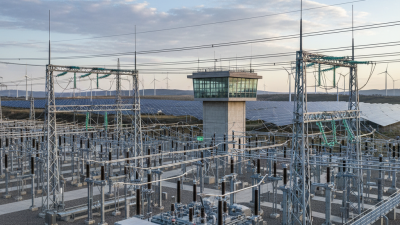
In renewable energy applications, GIS plays a pivotal role. It connects solar farms and wind energy sites to the grid with minimal emissions. This technology withstands harsh weather, ensuring consistent energy flow. However, the investment required for GIS can be significant. Some projects may struggle with limited budgets, impacting overall feasibility. Stakeholders must carefully weigh costs against potential benefits.
Urban electrification is also transforming cities. GIS supports smart grid initiatives, improving energy management systems. Optimization of energy distribution can lead to reduced outages. Yet, urban planners face challenges incorporating new technologies within existing infrastructures. There are lessons to learn here. Evaluation and adaptation to community needs are essential for success.
Safety Standards and Maintenance Considerations for Gas Insulated Switchgear
Gas Insulated Switchgear (GIS)
is vital for modern electrical systems. Its compact design allows for flexible installations in limited spaces.
However, maintaining GIS is crucial to ensure safety and efficiency.
Regular inspections are recommended. These checks should focus on gas levels, insulation, and physical damage.
A proactive maintenance plan helps prevent failures.
Safety standards for GIS are stringent.
They ensure the equipment operates under safe conditions and reduces risks.
Documentation of maintenance activities is essential.
It provides a clear audit trail
that can be reviewed by regulatory bodies. This transparency builds trust among stakeholders.
Despite strict standards, there are challenges. Equipment can degrade over time, often unnoticed.
Operators should be vigilant for signs of wear.
It's important to address these issues promptly. Awareness of potential problems enhances reliability and prolongs service life.
Communication among maintenance teams is crucial.
Each team member should be encouraged to report anomalies. This collaborative approach improves overall safety and performance.









 Claire
 Mr.Fu
Mr.Fu

 Claire