10 Essential Tips for Choosing the Right Rmu Electrical Panel
Choosing the right RMU electrical panel is crucial for optimal power management. According to a recent industry report by Global Market Insights, the market for RMU panels is projected to grow significantly, driven by increasing demand for reliable electrical distribution. This highlights the importance of selecting high-quality panels.
Expert John Smith, a leading figure in electrical engineering, states, “The efficiency of power distribution starts with the right RMU electrical panel.” This underscores the necessity of making informed decisions. Companies often overlook vital specifications. Understanding your needs is essential to avoid costly mistakes later on.
Furthermore, many professionals struggle with finding the right balance between cost and quality. A low-quality panel could lead to frequent failures and costly downtimes. Therefore, careful consideration is key. The right choice dramatically influences operational efficiency and longevity.

Understanding RMU Electrical Panels and Their Importance
RMU electrical panels play a crucial role in power distribution. These panels manage energy flow in substations and buildings. Understanding their function is vital for efficient operations. They ensure the safe and reliable delivery of electricity.
When selecting RMU panels, consider their design and functionality. Many options are available, but not all suit every application. A panel must fit the specific energy requirements of the installation. Pay attention to the size and layout of the panel. Space constraints can impact your choice.
It’s also essential to think about maintenance needs. Some panels require more upkeep than others. Failing to consider maintenance can lead to costly downtimes. Evaluate the accessibility for repairs and inspections. This reflection can help avoid future issues and ensure a smooth operation.
Distribution of RMU Electrical Panel Features
Key Factors to Consider When Selecting an RMU Electrical Panel
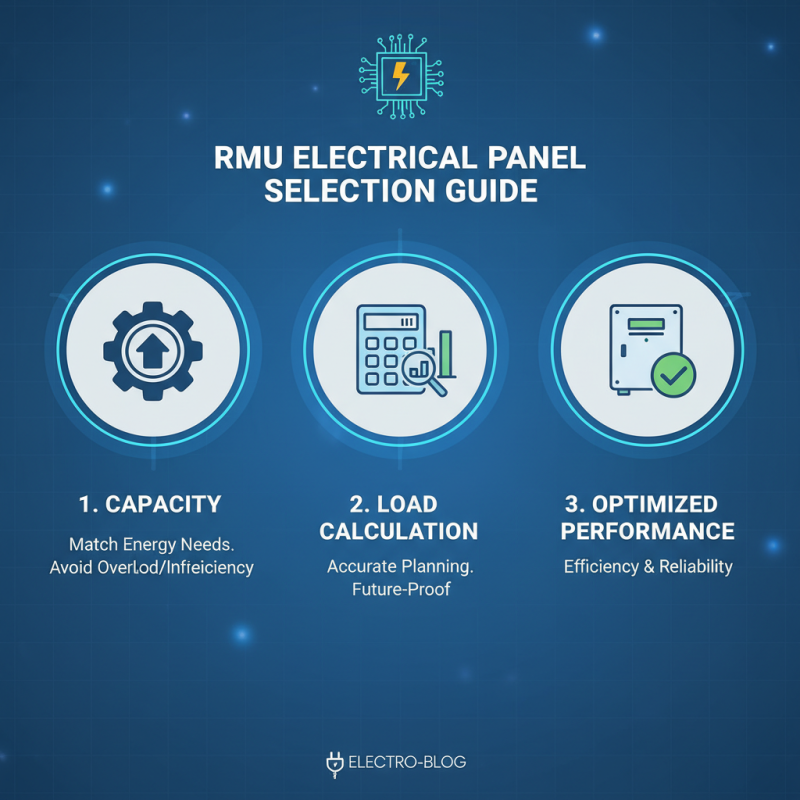
When selecting an RMU electrical panel, several key factors come into play. Firstly, consider the panel's capacity. It should match your energy requirements. An undersized panel could lead to overloads. Conversely, an oversized panel may not operate efficiently. Calculate your load needs accurately to avoid future complications.
Next, look at the panel's configuration. Different setups exist, each serving specific purposes. Choose a configuration that aligns with your installation's spatial constraints. Limited space may force you to prioritize compact designs over other features. Always evaluate the accessibility for maintenance as well. Poor access can lead to operational delays.
Another crucial aspect is the panel's safety features. Protection mechanisms like circuit breakers and fuses help safeguard your electrical system. Ensure these features comply with industry standards. Diving deeper into the features can show gaps in your original assumptions. You might realize your choice needs refining to enhance safety and reliability.
Assessing the Load Requirements for Your RMU Electrical Panel
When selecting an RMU electrical panel, understanding load requirements is crucial. It’s not just about choosing any panel; you must assess the power needs of your installation. Start by calculating the total wattage of all connected devices. This calculation helps in identifying the appropriate power rating for your panel. Neglecting this step can lead to underperformance or potential failures.
Consider peak loads during operation. Sometimes, devices draw more power at startup than during regular use. This is a common oversight that can cause issues. Furthermore, be mindful of future expansions. If you plan to add more devices later, it’s wise to factor in these potential loads now. An inadequate panel can lead to frequent tripping or worse, overheating risks.
Reviewing the specifications of your panel is vital. Look into amp ratings, voltage limits, and other key details. It’s easy to overlook these aspects, especially when focusing on aesthetics. Remember that visual appeal won’t compensate for functionality. Take time to analyze your current and future needs. This foresight can prevent costly adjustments down the line.
Evaluating Safety Standards and Compliance for RMU Panels
When selecting an RMU electrical panel, safety standards must be a priority. Each panel should meet local and international regulations. This ensures safe operation and reduces risks. Check for certifications and labeling that indicate compliance. These markings often include details about testing standards.
While focusing on safety, consider the material quality. Poor quality can lead to failures. In certain cases, panels made from substandard materials may not withstand harsh environments. Look out for panels designed for specific conditions. For instance, some are rated for extreme temperatures or humidity levels.
It’s critical to review installation guidelines. Many users overlook this, leading to improper setups. Such mistakes can compromise safety. Misaligned components or incorrect voltages can create hazards. Regular maintenance checks are also crucial. They help identify potential issues before they escalate.
Choosing Between Different Types of RMU Electrical Panels
When selecting the right RMU (Ring Main Unit) electrical panel, understanding the different types available is crucial. RMUs vary widely in design and functionality. The two main types are indoor and outdoor RMUs. Indoor models are generally compact and suited for limited space. They often use air insulation and are ideal for urban environments. Outdoor models, however, need to withstand weather conditions. They typically feature more robust insulation and enclosure designs.
According to industry data, approximately 70% of new installations today emphasize the importance of choosing the right insulation type. This decision greatly impacts efficiency and long-term performance. For instance, gas-insulated switchgear (GIS) units can be up to 30% more efficient than traditional air-insulated options. However, they may come at a higher initial cost.
Additionally, maintenance considerations are important. A poorly maintained RMU can lead to failures. Data from a reliability report indicates that nearly 15% of failures can be traced back to inadequate upkeep. On the flip side, simpler designs may require less maintenance but could compromise long-term reliability. Choosing between these types demands careful thought. The right choice should align with both operational needs and budget constraints.








 Claire
 Mr.Fu
Mr.Fu

 Claire