How to Choose the Right Transfer Switch for Your Home Generating Needs?
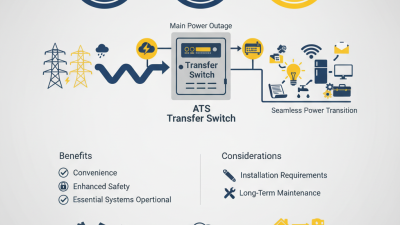
Choosing the right transfer switch for your home can feel overwhelming. According to John Smith, a renowned expert in the transfer switch industry, “A transfer switch is crucial for safe power management.” This device allows seamless power transfer between a generator and your home’s electrical system.
When the power goes out, homeowners must rely on their generators. But without a proper transfer switch, this can be risky. Many people overlook the importance of automatic and manual transfer switches. Each type has unique benefits and drawbacks.
Not everyone understands their specific needs for a transfer switch. Some might purchase a switch that’s too small or too complex for their situation. It's essential to assess your power needs carefully to avoid potential setbacks. Investing in a suitable transfer switch can make all the difference during an outage.
Understanding Transfer Switches and Their Importance for Home Generators
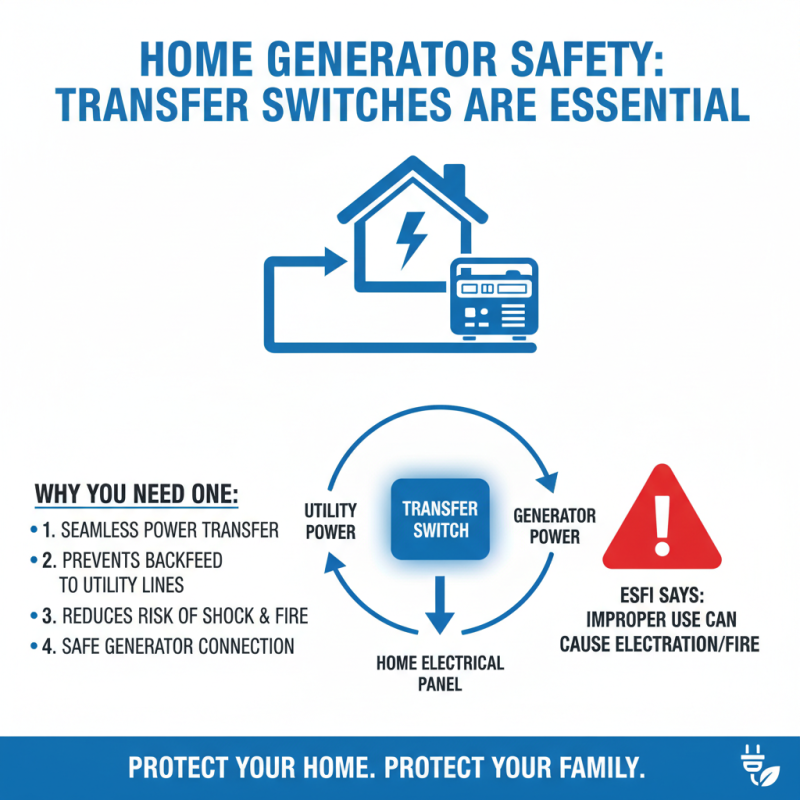
Transfer switches are essential for the safe operation of home generators. They provide a seamless way to connect your generator to your home's electrical system during a power outage. According to the Electrical Safety Foundation International (ESFI), improper use of generators can lead to electrocution or fire hazards. A transfer switch mitigates these risks by ensuring that the generator power is isolated from the utility lines.
Understanding the types of transfer switches is crucial. There are manual and automatic options. A study by the National Fire Protection Association (NFPA) found that nearly 70% of power outage-related accidents occur without a transfer switch. This statistic highlights the importance of choosing the right switch for your home. When selecting a transfer switch, consider the wattage of your generator and the appliances you intend to power.
Installation can be complex and should be performed by a qualified electrician. The cost can vary significantly. A report from HomeAdvisor suggests that homeowners can expect to spend between $500 and $2,500 for transfer switch installation. It’s important to remember that cutting corners can lead to major safety issues. Doing thorough research and selecting a switch that meets your specific needs is vital.
Key Factors to Consider When Selecting a Transfer Switch for Your Home
When selecting a transfer switch for your home, several key factors come into play. First, consider the power requirements of your home. Assess the devices you'll rely on during an outage. This usually includes lights, refrigerators, and essential appliances. Understanding your wattage needs helps in choosing the right switch that can handle your load safely.
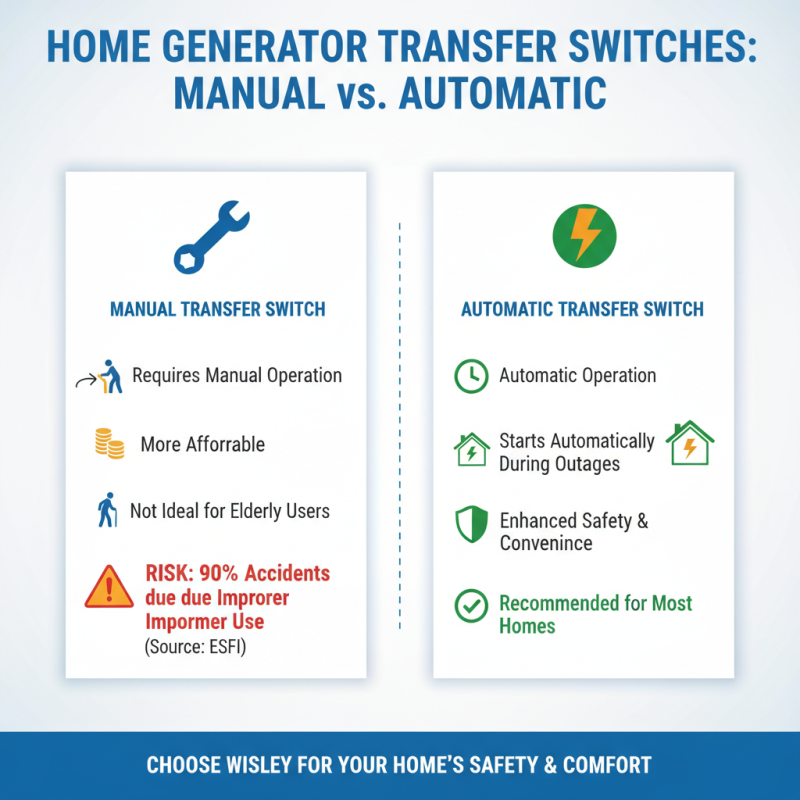
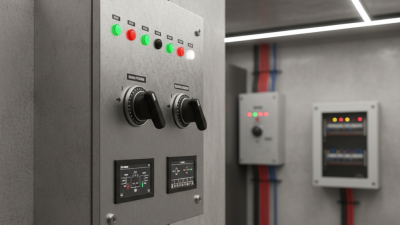
Next, think about the switch type. There are manual and automatic options. Manual switches require you to operate them during a power failure. They can be cost-effective, but they need your attention. Automatic switches, on the other hand, kick in without any manual intervention. They offer convenience, but might be more complex and costly.
Don't overlook installation. Proper installation is critical for safety and functionality. You might need a qualified electrician for a seamless setup. It’s vital to ensure that the switch aligns with your local codes and regulations. Some may skip this step, thinking they can manage it themselves. However, improper installation can lead to dangerous situations. Consider all these elements to make a well-informed decision.
Home Generator Transfer Switch Options
This chart illustrates the cost comparison of various transfer switch options for home generators. Manual transfer switches are typically the most affordable, while automatic transfer switches tend to be the most expensive due to their convenience and advanced features.
Sizing Your Transfer Switch: How to Determine the Right Power Capacity
When selecting a transfer switch, sizing is crucial. A properly sized switch will ensure your safety and maintain the efficiency of your home generator. According to the National Electrical Code (NEC), a transfer switch must match the generator's output. Failure in sizing can cause overloaded circuits. This can lead to equipment damage or electrical fires.
To determine the correct power capacity, first, identify your essential home loads. This typically includes refrigerators, heating systems, and lights. The total wattage of these devices should not exceed the generator's capacity. Industry reports suggest calculating a minimum of 5,000 watts for basic power needs in a small to medium home. For larger homes, consider at least 10,000 to 15,000 watts.
It is also essential to account for starting wattage. Appliances such as refrigerators require more power when starting. This can be 2 to 3 times their running wattage. Many homeowners overlook this factor, leading to potential overloads. Measuring your power needs accurately can prevent issues. Remember, an oversized switch can be inefficient and costly, while an undersized one can compromise safety and functionality.
Installation and Safety Tips for Home Transfer Switches
When installing a home transfer switch, safety is paramount. According to the National Fire Protection Association, improperly installed transfer switches can lead to serious hazards. Ensure the installation is compliant with local codes. Use a certified electrician when connecting the switch to your generator. For optimal functionality, a switch should be rated for your generator's output capacity.
It's critical to select the right location for the transfer switch. Ideally, it should be easily accessible. Many homeowners overlook the need for proper grounding. A grounded transfer switch minimizes electrical risks. Moreover, remember to include necessary protection devices. Surge protectors can shield your electrical system from damage.
Regular maintenance of your transfer switch is essential. Check for signs of wear or damage periodically. The U.S. Department of Energy suggests testing the transfer switch at least once a year. This practice helps identify problems before they escalate. Pay attention to any unusual sounds or smells. These could indicate potential issues that warrant immediate inspection.
How to Choose the Right Transfer Switch for Your Home Generating Needs?
| Switch Type |
Power Rating (kW) |
Installation Type |
Safety Features |
Cost Range |
| Manual Transfer Switch |
7.5 - 10 kW |
Portable |
Circuit Breaker Protection |
$200 - $500 |
| Automatic Transfer Switch |
10 - 20 kW |
Stationary |
Surge Protection |
$500 - $1500 |
| Interlock Kit |
Up to 20 kW |
Existing Panel |
Manual Cut-off |
$100 - $300 |
| Whole House Transfer Switch |
20 - 50 kW |
Permanent Installation |
Overload Protection |
$1000 - $3000 |





 Claire
 Mr.Fu
Mr.Fu

 Claire