How to Choose the Right ATS Transfer Switch for Your Needs?
Choosing the right ATS Transfer Switch is crucial for ensuring reliable power management. Expert John Smith, a leading authority in electrical systems, emphasizes, "Selecting the correct transfer switch can prevent costly downtime." His insight highlights the importance of proper selection.
When evaluating ATS Transfer Switches, various factors come into play. Sizing, load requirements, and installation types must be considered. Each switch serves different needs, and the wrong choice can lead to significant failures. Understanding each element's nuances is essential for optimal performance.
Additionally, users often overlook maintenance needs. Regular checks can extend the life of an ATS Transfer Switch. Neglecting upkeep may lead to unexpected failures and safety hazards. Balancing efficiency with reliability is a constant challenge in this field. Taking the time to reflect on your unique requirements can lead to better choices.
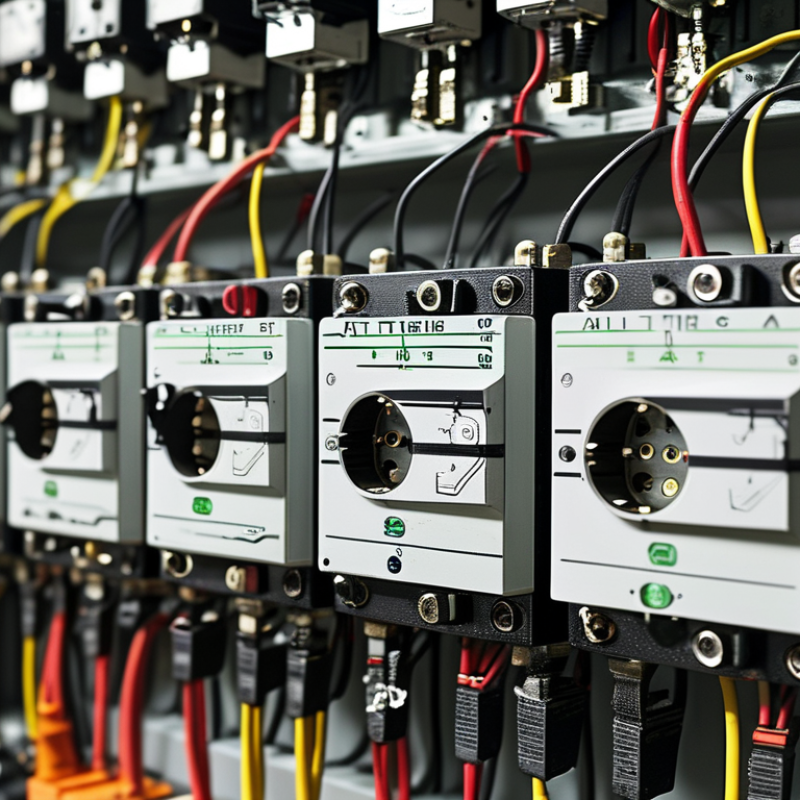
Understanding ATS Transfer Switch Functionality and Types
Understanding ATS transfer switches is essential for reliable power management. An Automatic Transfer Switch (ATS) automatically shifts the power source during an outage. This ensures that critical systems maintain power without manual intervention.
There are two primary types of ATS: open transition and closed transition. Open transition switches disconnect the utility power before connecting to the generator. This means there can be a brief interruption in power. Closed transition switches, however, transfer power seamlessly, minimizing any downtime. Each type has its advantages and disadvantages, depending on your specific needs.
Choosing the right switch isn't always straightforward. Consider your power requirements and budget. Some installations may require more complex configurations. If you're unsure, consult with a professional. They can help analyze your situation. Always prioritize quality and reliability in your selection process.
Key Factors to Consider When Selecting an ATS Transfer Switch
When selecting an ATS (Automatic Transfer Switch), there are several key factors to consider.
One of the most critical aspects is the switch's rating.
The National Electrical Manufacturers Association (NEMA) standards highlight that the transfer switch must be rated for the maximum load and type of equipment you plan to connect.
Underestimating this can lead to system failures or inefficiencies.
Another vital factor is the speed of transfer.
According to a report by the Electrical Power Research Institute (EPRI), a faster transfer switch can significantly reduce downtime during power interruptions.
If your operations heavily rely on a continuous power supply, aim for a transfer switch with a speed of less than one second.
Additionally, compatibility with existing systems matters.
Ensuring that the ATS works smoothly with your current generator and other electrical components is crucial for reliable performance.
Finally, consider the environment where the ATS will be used.
Factors such as humidity, temperature, and exposure to dust can impact its functionality.
A report from the Institute of Electrical and Electronics Engineers (IEEE) notes that environmental resilience is often overlooked.
Choosing a switch with appropriate enclosures can protect against wear and tear.
The right balance of these considerations ensures that your ATS meets your specific needs effectively.
Evaluating Power Requirements and Load Calculations for ATS
When selecting an ATS transfer switch, evaluating your power requirements is crucial. Start by assessing the total load. Calculate both essential and non-essential loads separately. This breakdown helps in understanding how much power is truly needed. Consider the starting currents of all electrical devices, as they may surge during startup.
Tip: Always add a safety margin to your calculations. Unexpected increases in demand can occur, especially during peak usage. A safety margin of 10-20% can accommodate unforeseen power spikes.
Load calculations also involve determining the duration of power outages. If outages are frequent or prolonged, investing in a robust ATS becomes essential. Ensure your transfer switch can handle your total load efficiently. Look into features like automatic sensing for ease of use.
Tip: Do not rush your decision. Spend time gathering data. Consult with professionals if needed. They can provide insights tailored to your specific needs. A well-informed choice leads to better reliability.
Compliance Standards and Safety Regulations for ATS Installation
When installing an Automatic Transfer Switch (ATS), it's crucial to understand compliance standards and safety regulations. These regulations ensure safe operation and protection against electrical hazards. According to the National Fire Protection Association (NFPA), nearly 20% of electrical incidents stem from inadequate transfer switch installation.
In many regions, adhering to the National Electrical Code (NEC) is mandatory. This includes ensuring proper disconnecting means are in place. Failing to meet these standards can lead to electrical shock or fire risks. Moreover, it's vital for facilities to conduct regular maintenance checks. The Institute of Electrical and Electronics Engineers (IEEE) recommends that ATS units undergo a thorough inspection annually. This improves reliability and reinforces compliance with safety regulations.
It's also noteworthy that varying jurisdictions may impose additional requirements. Some states have stricter codes reflecting their specific environmental conditions. Research indicates that non-compliance can result in fines up to $10,000. Hence, understanding these complex regulations is essential for any ATS installation to ensure a safer operational environment.
Comparing Costs and Brands of Leading ATS Transfer Switches
When selecting an ATS transfer switch, it’s crucial to consider cost and brand reliability. Leading brands often vary in pricing, which can impact long-term value. It's essential to look beyond initial costs. Cheaper models may lack durability or efficiency. Investing in a reliable brand can lead to savings over time.
Tips: Evaluate your power needs before making a choice. Undersizing can lead to operational issues. Examine the warranty and customer service offered. A good warranty can indicate confidence in product longevity.
Brand comparisons reveal differences in features like automation and monitoring capabilities. Not all switches support the same functions. It’s wise to research user reviews for insights into performance and satisfaction. Some switch models have limitations that could impact your operation, so pay attention to those details. Consider potential growth in your power needs, which may require more sophisticated systems down the line.
How to Choose the Right ATS Transfer Switch for Your Needs?
| Switch Type |
Amperage Rating (A) |
Transfer Time (seconds) |
Price Range ($) |
Key Features |
| Automatic |
100 |
2-10 |
1500 - 2500 |
User-friendly interface, fast switching |
| Manual |
200 |
N/A |
800 - 1500 |
Cost-effective, reliable |
| Smart |
300 |
< 1 |
2500 - 4000 |
Remote monitoring, advanced features |
| Industrial |
500 |
1-3 |
5000 - 8000 |
Heavy-duty, robust construction |








 Claire
 Mr.Fu
Mr.Fu

 Claire