How to Choose the Right Ats Electrical Panel for Your Needs?
Choosing the right ATS Electrical Panel is crucial for any facility. Renowned expert John Smith, a leading engineer in electrical systems, states, “The right panel can enhance efficiency and safety significantly.” Understanding your specific needs is essential when selecting an ATS panel.
Several factors come into play, including power requirements, size, and the type of applications. An appropriate ATS Electrical Panel ensures smooth transitions during power outages. Poor choices can lead to downtime or safety risks, which no one can afford.
Consider the environment where the panel will be installed. Not all panels are suitable for every application. Reflect on your long-term goals as well. Investing in quality now can prevent costly upgrades later. Remember, the right choice will provide peace of mind and enhance productivity.
Understanding Ats Electrical Panels and Their Importance
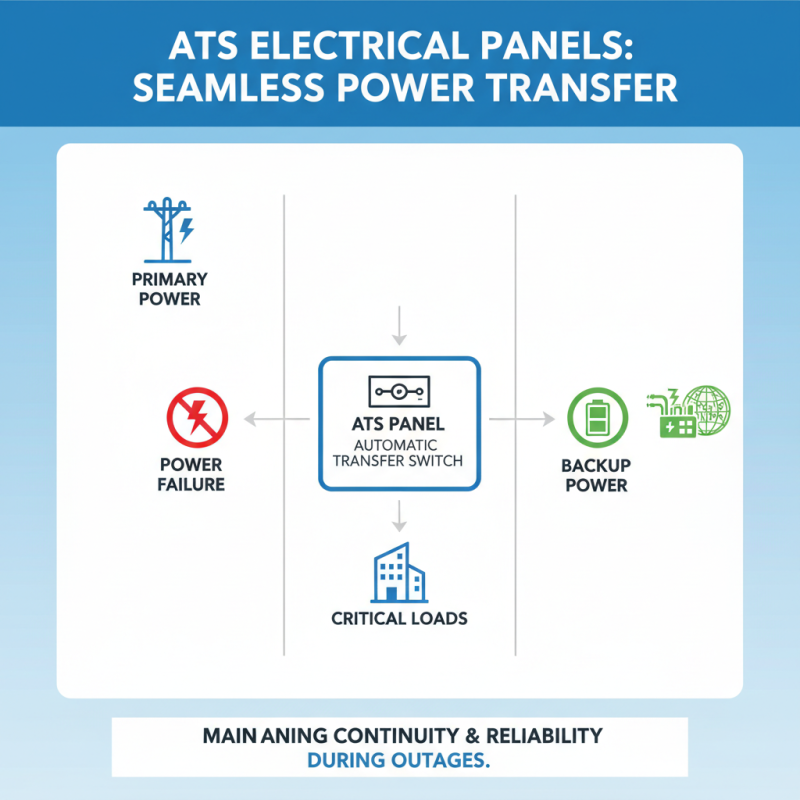
ATS electrical panels play a vital role in modern electrical systems. They manage the automatic transfer of power from one source to another. This function is essential for maintaining continuity during outages. When a primary power source fails, the ATS switches to a backup, ensuring a seamless transition. The choice of an ATS panel greatly impacts reliability.
Understanding the specifications is key. Consider the load type and capacity needed for your specific application. Make sure the panel meets your operational requirements. Many people overlook maintenance and testing. Regular checks ensure smooth functionality. A neglected ATS may not operate as expected during a power failure.
Installation is another critical step. It should be done by professionals with experience in ATS setup. Improper installation can lead to failures, risking safety. Lastly, not doing enough research may lead to mistakes. Evaluate features and compare options. Take your time to make the right choice for your needs. Remember, a small oversight can lead to significant issues down the line.
Identifying Your Power Needs for Ats Electrical Panels
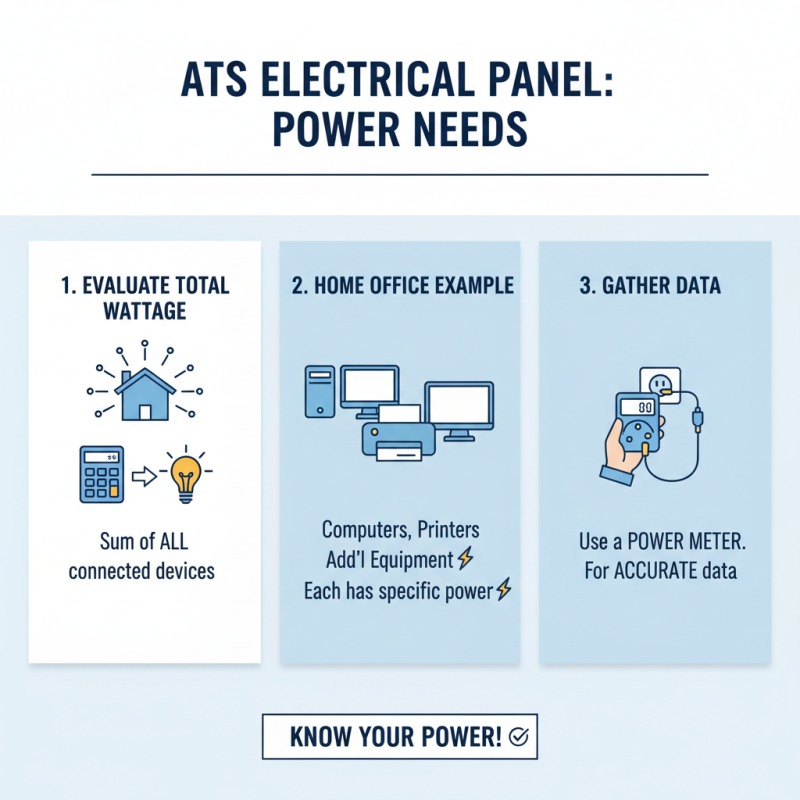
When choosing an ATS electrical panel, understanding your power needs is crucial. Evaluate the total wattage of all your connected devices. For example, if you run a home office, consider computers, printers, and additional equipment. Each device has a specific power requirement. Use a power meter if necessary to gather accurate data.
Consider peak load times as well. Do your appliances draw more power when starting up? This can influence your choice of panel. Remember, overloading can cause issues. A common mistake is underestimating equipment needs. It can lead to malfunction or damage.
Think about your future needs too. Will you expand your setup? Anticipate any additional devices down the line. Choose a panel that allows for flexibility. Evaluate if your panel can accommodate upgrades in power demands. This foresight can prevent costly changes later on.
Evaluating Features and Specifications of Ats Electrical Panels
When selecting an ATS electrical panel, evaluating features and specifications is crucial. Understand what each feature offers. For example, automatic transfer switches (ATS) come with various voltage ratings. Ensure the rating aligns with your electrical systems—commonly between 120/240V and 480V. Reports indicate that correctly matched ATS panels can enhance system reliability by up to 30%.
Consider the panel’s size and enclosure type. A larger panel may provide more circuit options, but it requires adequate space for installation. It's essential to ensure that the enclosure is suited for your environment, whether it’s indoors or exposed to harsh weather. Some installations may reflect on a need for safety considerations, like NEMA ratings.
Tip: Evaluate the control features. Some ATS panels offer remote monitoring and status updates. This can be invaluable for critical applications.
Another aspect to consider is the maintenance needs. While many modern panels are durable, they still require regular checks. Some reports suggest that neglecting maintenance can reduce lifespan by 20%.
Tip: Always keep documentation on hand. Understanding the specifications can guide future upgrades or repairs.
Considering Installation and Maintenance Requirements
Choosing the right ATS electrical panel involves careful consideration of installation and maintenance requirements. The installation site is crucial. It should not be too cramped. There should be enough space for safe access. Proper ventilation is also necessary. Panels generate heat, and poor airflow can lead to performance issues.
Consider the maintenance needs before making your choice. Some panels require regular inspections and servicing. Accessibility to components matters. If a panel is hard to reach, maintenance becomes a chore. You want to avoid unnecessary hassles later on. Think about whether you will manage maintenance yourself or hire a professional. This decision can influence your choice significantly.
It’s also essential to reflect on your electrical load demands. An inadequate panel can cause frequent trips. However, oversizing a panel can waste energy and lead to higher costs. Evaluate your needs carefully. Sometimes, people overlook future expansion. This can result in a need for upgrades down the line. Balancing immediate needs with future potential is vital. A thoughtful approach will ultimately provide better long-term results.
Budgeting for Your Ats Electrical Panel Investment
When budgeting for your ATS electrical panel investment, start by identifying your power needs. An inadequate panel can lead to costly upgrades later. Industry reports indicate that selecting the right panel can reduce operational costs by 20%. Evaluate your immediate power requirements, and consider future expansion to avoid overspending on inadequate solutions.
Tip: List all the electrical equipment you plan to support. This step will help you select a panel that can handle your current load. Remember, a slightly larger capacity now can save you money in the long run.
Do not overlook installation costs. They can add significantly to your budget. A poorly installed panel may increase maintenance expenses over time. Ensure that the installation is performed by qualified professionals to mitigate risks and unnecessary costs.
Tip: Get multiple quotes before selecting an installer. This can help you find a fair price and ensure you invest wisely. Budgeting for maintenance is also crucial. Regular checks eliminate larger repair costs in the future.
How to Choose the Right Ats Electrical Panel for Your Needs?
| Feature |
Description |
Estimated Cost ($) |
Recommended Use |
| Automatic Transfer Switch |
Ensures smooth switching between power sources |
1500 |
Home backup power systems |
| Manual Transfer Switch |
Manual control for switching power sources |
800 |
Small applications, DIY setups |
| Load Capacity (Amperage) |
Rated capacity to handle electrical load |
1000 |
Residential and light commercial use |
| Integration with Home Automation |
Compatibility with smart home systems |
500 |
Smart homes and advanced installations |
| Certifications |
Meets industry safety standards |
150 |
Required for compliance and safety |





 Claire
 Mr.Fu
Mr.Fu

 Claire