What is a Changeover Panel and How Does it Work?
In the world of electrical systems, the "Changeover Panel" plays a pivotal role. Industry expert John Smith emphasizes, "A reliable changeover panel can prevent outages." This simple yet essential device ensures seamless transitions between power sources, safeguarding critical operations.
The changeover panel is designed to switch power supply automatically or manually. It is vital for businesses that cannot afford downtime. When the primary power source fails, the panel quickly switches to a backup, maintaining continuity. Each panel must be configured correctly to prevent issues during transitions.
Despite their importance, many overlook the need for regular maintenance and testing. A malfunctioning changeover panel can lead to significant problems. Reflecting on this, operators should regularly evaluate their panels. They must ask, "Is our equipment reliable?" Only through diligent attention can the effectiveness of changeover panels be guaranteed.
What is a Changeover Panel?
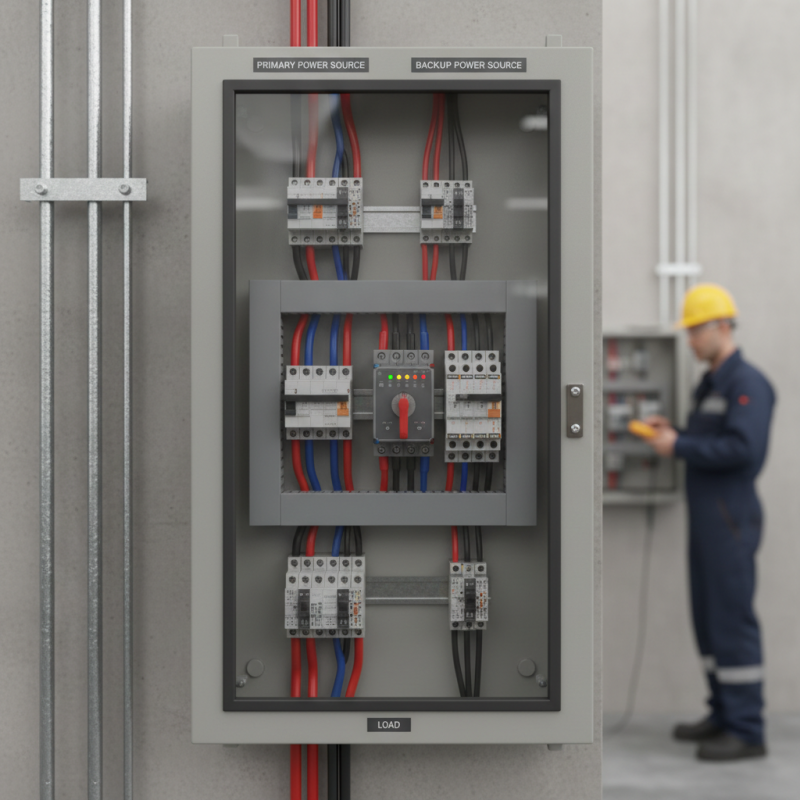
A changeover panel is a critical component in power management. It serves as a switching device that allows users to switch between two power sources. This is particularly useful during power outages or maintenance. When one source fails, the changeover panel seamlessly transfers the load to the backup source.
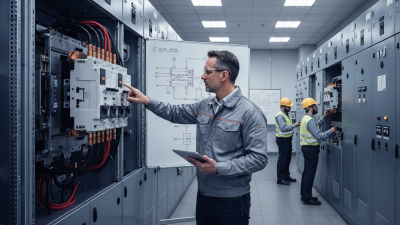
The design of a changeover panel is usually straightforward. It typically contains switches, relays, and indicators to show power status. Depending on the configuration, these panels can be automatic or manual. An automatic changeover panel detects power failure and performs the switch for you. Meanwhile, a manual panel requires user intervention, which can be less reliable during emergencies. It’s essential to regularly test the panel to ensure its functionality when you need it most.
While changeover panels are effective, they require proper installation and maintenance. Improper connection can lead to failure during critical times. Users often underestimate the complexity involved in setting these systems up. Regular checks can help identify weaknesses. Relying solely on automatic systems may lead to complacency, as users might forget to verify the manual option. Understanding both methods is beneficial in the long run.
What is a Changeover Panel and How Does it Work?
| Feature |
Description |
Usage |
Benefits |
| Manual Changeover |
Allows operators to manually switch between power sources. |
In situations where power sources need to be changed frequently. |
Provides control and flexibility to operators. |
| Automatic Changeover |
Automatically switches between power sources without manual intervention. |
Ideal for critical applications requiring continuous power supply. |
Enhances reliability and reduces downtime. |
| Load Transfer |
Transferring electrical load from one source to another. |
Used in backup power systems. |
Ensures uninterrupted power supply during outages. |
| Control Panel Integration |
Integrated with existing control panels for seamless operation. |
Provides a unified control experience. |
Streamlines operations and improves user interface. |
| Safety Features |
Includes circuit breakers, alarms, and isolation switches for safety. |
Critical for protecting equipment and personnel. |
Enhances overall safety and minimizes risk of accidents. |
The Purpose and Importance of Changeover Panels
Changeover panels play a crucial role in electrical systems. They allow seamless switching between different power sources. This is especially vital during power outages. When main power fails, the changeover panel activates backup sources. It ensures that critical systems remain operational.
The purpose of changeover panels goes beyond mere convenience. They protect sensitive equipment from power surges. This minimizes the risk of damage, ensuring longevity. Additionally, businesses using these panels demonstrate reliability. Clients feel secure knowing the operation is uninterrupted. However, many still overlook maintenance needs. Regular checks can prevent failures when switching occurs.
Understanding the importance of changeover panels is key. They are not just components; they safeguard livelihoods. Yet, the focus on functionality can sometimes overshadow potential risks. Some installations might lack proper training protocols. This can lead to improper use or neglect, undermining the panel’s effectiveness. Recognizing these imperfections is essential for improving systems.
Components of a Changeover Panel
A changeover panel is an essential electrical component widely used in various applications. It allows seamless switching between two power sources. This is especially useful for backup power systems. Understanding its components is vital for effective usage.
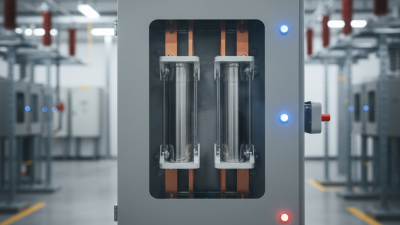
The primary components of a changeover panel include switches, relays, and indicators. Switches control the source selection. They enable users to decide which power source to utilize. Relays are responsible for automatically switching from primary to backup power. They ensure reliability during power failures. Indicators provide visual feedback on the current power source in use, highlighting whether the system is operational.
Each of these components plays a crucial role. However, their functionality may vary based on the design and application. Users often overlook the importance of regular maintenance. Neglecting this can lead to failures or delays in response during critical moments. Understanding how these components interconnect is key for optimal operation. Striving for a detailed grasp of their functions can prevent improper use. It’s a step many skip, yet it is essential for safety and efficiency.
Changeover Panel Usage in Different Industries
This bar chart illustrates the number of changeover panels used across various industries. Manufacturing leads with the highest number, while healthcare utilizes the least. The data highlights the importance of changeover panels in enhancing operational efficiency in various sectors.
How Changeover Panels Operate
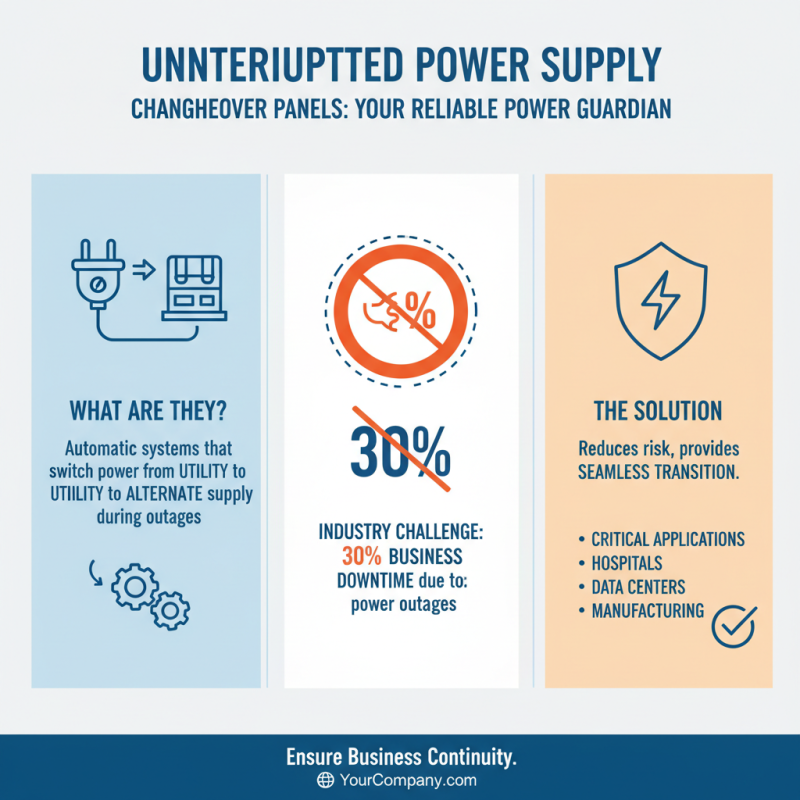
Changeover panels are vital in ensuring uninterrupted power supply, especially in critical applications. These systems automatically switch the power source from the utility to an alternate supply when a failure occurs. According to industry reports, around 30% of businesses experience unscheduled downtime due to power outages. A changeover panel significantly reduces this risk and provides a seamless transition between power sources.
The operation of changeover panels is straightforward yet crucial. When the primary power source falters, the panel detects the outage and activates the backup source. This process usually takes mere seconds. Reports indicate that the average response time of high-quality panels can be as little as 10 seconds. However, some older models may take longer, leading to possible disruptions. This highlights the importance of choosing the right technology and regularly maintaining equipment to ensure efficiency.
Monitoring systems play an essential role in the functionality of changeover panels. Some models include advanced features like remote monitoring, allowing operators to check status and performance in real-time. Improvements in technology are significant, but it often exposes gaps in original designs. Regular testing and updates must be part of an operational strategy to address these issues effectively.
Common Applications of Changeover Panels
Changeover panels play a vital role in various industries by ensuring seamless transitions between power sources or operations. These devices are essential in settings like hospitals, data centers, and manufacturing plants. According to a report by the International Energy Agency, the demand for reliable power solutions is skyrocketing, which makes changeover panels even more crucial, especially in critical applications.
In hospitals, changeover panels provide uninterrupted power supply during outages. This is crucial for medical equipment that needs constant power. A survey from the Healthcare Technology Report indicates that nearly 80% of hospitals have invested in backup power systems, including changeover panels. In data centers, these panels help switch between different power sources, ensuring data integrity and constant uptime. The industry standard suggests that even a small interruption can lead to significant data loss, highlighting their importance.
Manufacturing facilities also utilize changeover panels. They provide flexibility in operations and allow for maintenance without halting production. However, implementation poses challenges. A study by the Electrical Safety Foundation shows that improper installation is a leading cause of electrical failures. It indicates that 30% of changeover panel installations need reevaluation for safety. Thus, while the benefits are clear, attention to detail is essential.





 Claire
 Mr.Fu
Mr.Fu

 Claire