2026 Best Electrical Transfer Switches for Home Use?
In today's world, ensuring a reliable power supply is crucial for every homeowner. An Electrical Transfer Switch plays a vital role in this context. It allows the seamless switching of power from the grid to a backup generator. This feature is particularly valuable during emergencies or power outages.
When choosing the best Electrical Transfer Switch for home use, several factors come into play. Efficiency, compatibility with your generator, and safety features are essential. A well-chosen switch can protect your home from electrical surges and ensure the safety of your appliances. However, selecting the right product can be challenging.
Homeowners should also reflect on their energy needs. Not every switch fits every home. Budget constraints often lead people to make tough choices. It is important to balance quality with cost. Some might settle for less, but this could lead to greater expenses later. Hence, considering long-term benefits is crucial.
Understanding Electrical Transfer Switches and Their Importance for Homes
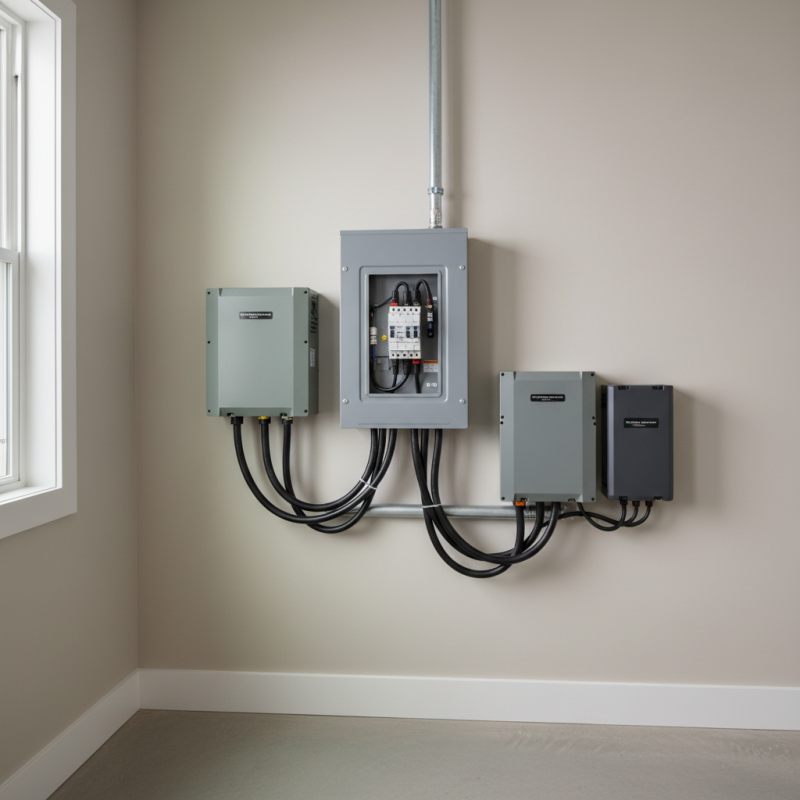
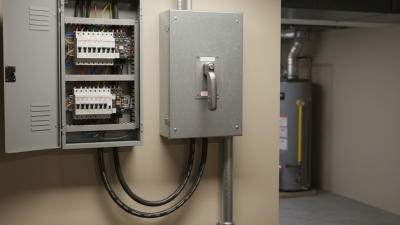
Electrical transfer switches play a crucial role in home energy management. They ensure a seamless transition from grid power to backup generators during outages. This transition is vital for maintaining essential services like heating, refrigeration, and communication. A reliable transfer switch can prevent backfeed into the electrical grid, safeguarding utility workers and your own home systems.
When choosing an electrical transfer switch, consider your home’s energy needs. Calculate the total wattage of devices you want to power during an outage. This calculation helps in selecting a switch that can handle the load efficiently. Sometimes, homeowners underestimate their needs and end up with insufficient power supply.
Tips for installation: Always consult with a licensed electrician. Professional installation ensures compliance with local codes. Be wary of DIY installations. Mistakes could lead to safety hazards. Regular testing of your transfer switch is also vital. It ensures that it operates as expected when the grid fails. Remember, outdated equipment may hinder efficiency. Keep it updated for safety and performance reasons.
2026 Best Electrical Transfer Switches for Home Use
Types of Electrical Transfer Switches: Manual vs. Automatic for Home Use
When considering electrical transfer switches for home use, it's crucial to understand the difference between manual and automatic systems. Manual transfer switches require a user to operate them during a power outage. This means you need to be present and attentive, ready to switch from grid power to backup power. According to a report by the National Fire Protection Association, improper use of manual switches can lead to safety hazards. Being informed is key.
On the other hand, automatic transfer switches (ATS) monitor power supply continuously. They switch sources without user intervention. The Electric Power Research Institute indicates that ATS can enhance reliability during outages. However, they can be costlier and more complex to install. Many homeowners struggle with the upfront investment. Evaluating your needs and budget is vital.
Choosing the right transfer switch is not a simple decision. Some homeowners find the manual switch sufficient for infrequent outages. Others prefer the convenience of automation. Each type has unique challenges. It's important to weigh the pros and cons carefully. Ultimately, ensure that your choice aligns with your lifestyle and energy demands.
2026 Best Electrical Transfer Switches for Home Use
| Type |
Switching Method |
Power Rating (kW) |
Installation Type |
Price Range ($) |
| Manual Transfer Switch |
Manual |
5 - 30 |
Indoor/Outdoor |
200 - 1,000 |
| Automatic Transfer Switch |
Automatic |
5 - 150 |
Indoor |
500 - 2,500 |
| Interlock Kit |
Manual |
10 - 40 |
Indoor |
100 - 600 |
| Portable Transfer Switch |
Manual |
1 - 8 |
Outdoor |
50 - 300 |
| Smart Transfer Switch |
Automatic |
10 - 100 |
Indoor |
800 - 3,000 |
Key Features to Consider When Choosing an Electrical Transfer Switch
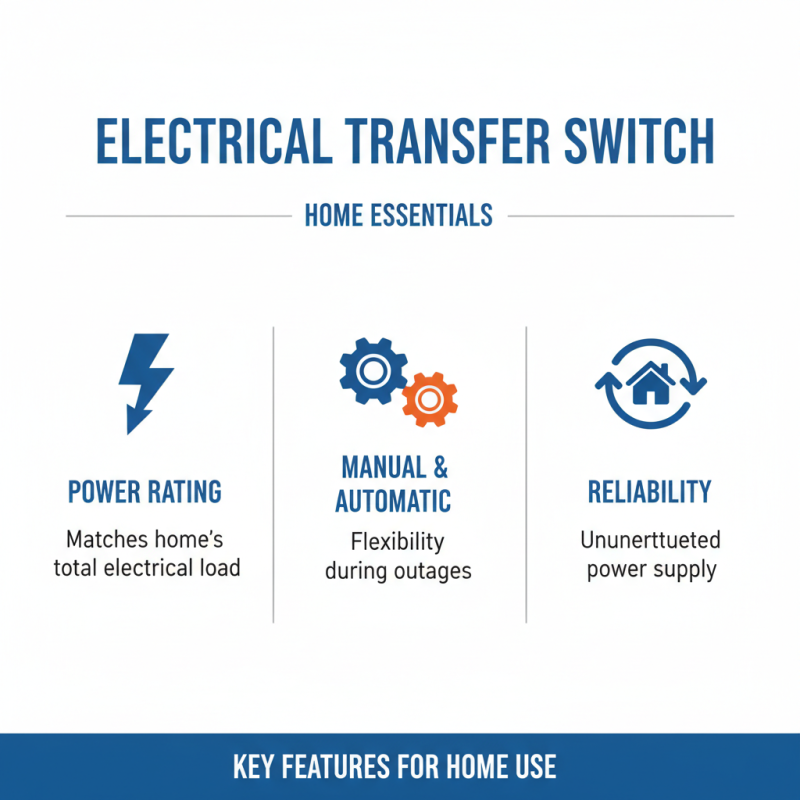
When choosing an electrical transfer switch for home use, several key features warrant your attention. The switch's rating is crucial. It should handle your home's power load effectively. Look for switches with both manual and automatic options. This flexibility ensures you can control your power supply during outages.
Consider the installation process as well. Some switches require professional installation, which can add to your costs. However, simple options can be installed by handy homeowners. Take time to assess your skills and options available.
**Tip:** Check the warranty length before making a purchase. This can indicate the manufacturer's confidence in their product.
Another important feature is safety. Look for a switch with built-in protection mechanisms. It should prevent back feed, which can endanger utility workers. Many switches come with LED indicators, providing real-time status updates. This can simplify monitoring.
**Tip:** Read customer reviews for insights into a switch’s reliability and ease of use. Learning from others can save you from making poor choices.
Top 2026 Electrical Transfer Switches for Reliable Home Power Backup
When it comes to reliable home power backup, choosing the right electrical transfer switch is crucial. These devices facilitate the seamless transition between your main power supply and a generator during outages. A good transfer switch provides safety and prevents back-feeding, ensuring that your appliances and devices remain protected.
In 2026, homeowners should look for features like user-friendly interfaces and solid safety ratings. Many switches offer different amperage options, which cater to various household needs. However, it's important to consider your specific energy demands. Some switches may seem appealing but lack the capacity for larger homes or multiple appliances.
Installation can be a daunting task. It's essential to ensure proper setup to avoid potential hazards. Hiring a professional is often recommended, but that adds to the overall cost. Many homeowners find themselves swayed by cheaper options, yet that can lead to regrets later. It’s a delicate balance between budget and reliability, and reflection on your choices is necessary to find the best fit.
Installation and Maintenance Tips for Home Transfer Switches
When considering the installation of a
home transfer switch, several crucial factors must be addressed. First, proper placement is vital. The switch should be easily accessible but protected from weather elements. This can prevent issues during power outages, which statistics show happen in over over 30% of U.S. households annually. Additionally, the switch must meet local electrical codes, as failing to do so can lead to safety hazards and costly fines.
Maintenance is equally important. Regular checks are necessary to ensure the switch is functioning correctly. According to industry reports, around 23% of home transfer switches experience mechanical issues that could have been prevented with proper upkeep. It's advisable to inspect the connectors and cables for wear and tear regularly.
Dirt and corrosion can create resistance, leading to potential failure. A good habit is to schedule these checks at least once a year.
Lastly, it's crucial to read the manual thoroughly. Many users overlook this step. Not all switches have the same requirements or features. Familiarity with your specific model can save time and trouble later on. Taking shortcuts during installation or neglecting maintenance can lead to serious problems, especially during emergencies. Always consider professional help if you're uncertain about any aspect.






 Claire
 Mr.Fu
Mr.Fu

 Claire