Leave Your Message

7 Best Electrical Transfer Switches for Global Buyers

Choosing an Electrical Transfer Switch is not just a matter of comparing prices or counting circuits. The right unit helps move a building’s electrical load between utility power and a backup source, such as a generator. A clear transfer can reduce disruption when the grid fails. The wrong capacity or connection type can create costly problems. Details matter.

Global buyers face different supply voltages, frequencies, installation practices, and equipment requirements. A switch designed for one market may not suit another. Check rated current, pole configuration, transfer method, enclosure protection, and compatibility with the intended generator. Also review manufacturer documentation and local requirements with a qualified electrical professional. This guide compares seven options across practical factors, including application, switching operation, and ease of installation. It does not treat one model as universally best. There isn’t one.

A small home backup setup may need a different solution from a commercial facility with critical loads. Picture a generator starting during a storm while refrigeration, lighting, or essential equipment needs power. The switch must handle the expected load and operate as specified. Still, product listings can leave important questions unanswered. Verify ratings, certifications, and service support before purchase, especially when sourcing across borders. A promising specification sheet is only part of the decision. Consider the real installation, too.
7 Best Electrical Transfer Switches for Global Buyers

How Electrical Transfer Switches Work and Where They Are Used

Electrical transfer switches move a load between two power sources, usually utility power and a generator. They prevent both sources from connecting at the same time. This interlocking action protects equipment, wiring, and maintenance workers. During a power failure, an automatic switch detects the voltage drop and starts the generator. It then transfers the load after voltage and frequency stabilize. Manual switches require a trained person to operate the handle.

Transfer switches are used in homes, factories, hospitals, data centers, and communication facilities. Their design depends on load size and local electrical conditions. Global buyers should check voltage, frequency, phase configuration, and neutral switching requirements. Open-transition models briefly interrupt power during transfer. Closed-transition models reduce interruptions but need careful system coordination. Installation should follow the relevant electrical code and include proper grounding, enclosure protection, and routine testing. A switch can be correctly rated yet poorly installed. That mistake is more common than many buyers expect.

Tips: Choose a switch with a current rating above the expected continuous load. Confirm generator compatibility before purchase. Test automatic operation under controlled conditions. Inspect terminals for heat marks, loose connections, and corrosion. Keep clear records of every test. No shortcut replaces inspection. For harsh outdoor locations, consider temperature, moisture, dust, and access conditions. I have seen simple environmental details affect long-term reliability, although product specifications do not always make them obvious.
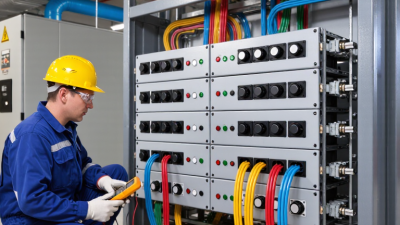
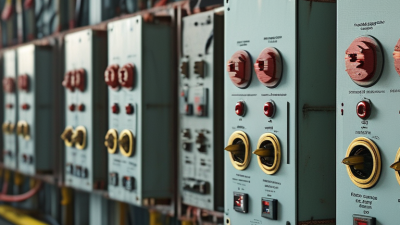
How an Open-Transition Automatic Transfer Switch Works

This conceptual sequence shows the load disconnecting from the normal source before connecting to the emergency source. An open-transition transfer switch prevents both sources from supplying the load simultaneously. Actual transfer timing depends on the equipment and installation.

Main Types of Transfer Switches for Residential and Commercial Power

Transfer switches connect a load to a primary utility source or a backup generator. Their design affects safety, continuity, installation cost, and maintenance. For residential systems, manual transfer switches are simple and affordable. A homeowner moves the handle after confirming that the utility supply is disconnected. This approach suits portable generators, but it requires attention during every outage.

Automatic transfer switches monitor voltage and frequency continuously. When the main supply fails, they start a standby generator and move the load after a preset delay. Residential models often support essential circuits, such as refrigerators, pumps, lighting, and heating controls. Commercial installations usually require higher current ratings, stronger enclosures, and clearer status indicators. A missed neutral connection can create serious equipment problems.

Open-transition switches briefly interrupt power during transfer. They are common in homes and standard commercial facilities. Closed-transition switches overlap the sources for a short period, reducing interruption, but they require compatible equipment and careful protection settings. Delayed-transition models pause between sources, helping motors stop before receiving new power. Bypass-isolation designs allow technicians to service the switching mechanism while critical loads remain energized. That sounds ideal, yet installation planning becomes more demanding.

Buyers should check voltage, frequency, pole configuration, load type, enclosure rating, and local electrical requirements. Single-phase homes and three-phase commercial buildings rarely share the same specification. Generator capacity must also match motor-starting surges, not only normal running watts. Field experience shows that a neatly filled specification sheet can still miss cable space or maintenance access. Measure the cabinet location twice. Mistakes happen.

Key Factors for Choosing a Transfer Switch Across Global Markets

Choosing among the seven best electrical transfer switches requires more than comparing purchase prices. Global buyers should examine local voltage, frequency, phase configuration, and available fault ratings. A switch designed for one grid may perform poorly elsewhere. Check the generator output, load type, and installation environment before selecting a model.

Safety certification is equally important. Confirm that the transfer switch meets the standards recognized in its target market. Enclosures should match the site, especially where dust, humidity, salt air, or extreme temperatures are common. Automatic units need reliable sensing controls, while manual units may suit smaller facilities with trained operators. Clear wiring diagrams and accessible terminals can reduce installation errors. Small details matter.

Serviceability often separates a dependable switch from a frustrating one. Look for replaceable components, test functions, multilingual documentation, and regional technical support. In my experience, installers value simple maintenance more than impressive specifications. A short transfer time is useful, but it should not compromise mechanical interlocking or load stability. Verify compatibility with sensitive equipment, including motors, medical systems, and data equipment.

No selection is perfect. Budget pressure can encourage buyers to overlook future spare-part costs. That decision may seem reasonable during procurement, yet downtime can become far more expensive. I would also question vague claims about universal compatibility. Ask for test reports, operating limits, warranty terms, and installation guidance. The best choice depends on the market, facility, and people maintaining it.

Comparing Seven Leading Electrical Transfer Switches

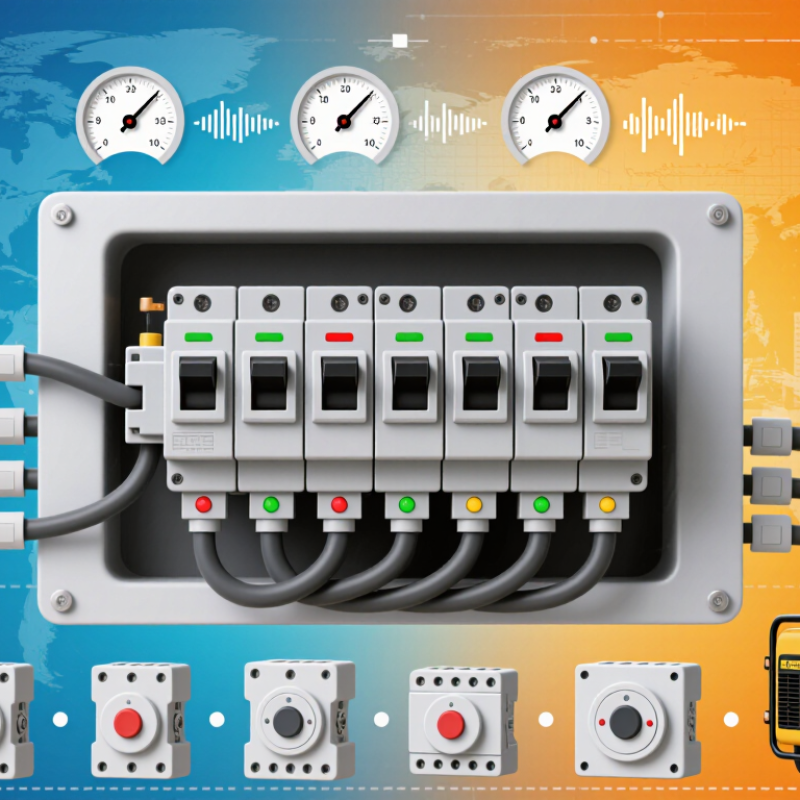
A comparison of seven leading transfer-switch configurations starts with the load and power source, not the enclosure. A manual switch is simple and economical, but someone must operate it during an outage. A single-phase automatic switch suits many homes and small sites. Three-phase models handle commercial equipment, where motor loads and phase balance matter. Not interchangeable.

Transition behavior changes how sensitive equipment experiences a transfer.

Open-transition switches briefly disconnect the load before connecting the alternate source; they are widely used and straightforward. Delayed-transition models add a pause, useful when residual voltage could affect equipment. Closed-transition switches overlap sources briefly to reduce interruption, but require compatible systems and careful engineering. That detail is easy to overlook.

Service-entrance-rated switches can combine transfer and service-disconnect functions when the installation design permits. Bypass-isolation models let technicians isolate the switching mechanism for maintenance while keeping critical loads supplied. Their size and cost may be excessive for a small building.

Compare rated current, voltage, pole count, short-circuit withstand rating, enclosure protection, controls, and generator compatibility. Ask for test documentation and installation requirements. Requirements differ by market, so confirm applicable local standards with a qualified electrical professional. I would not choose on price alone; the cheapest unit can create awkward maintenance later.

Matching Transfer Switch Features to Power Systems and Applications

7 Best Electrical Transfer Switches for Global Buyers

Matching a transfer switch to the power system matters more than choosing the highest rating. Manual switches suit small facilities with trained operators and limited outage risk. Automatic open-transition switches fit generators serving offices, retail spaces, and light industry. They transfer loads after detecting voltage or frequency loss.

Delayed-transition models help systems with motors, transformers, or large HVAC loads. They pause between sources, reducing residual voltage and inrush stress. Closed-transition switches briefly parallel sources, limiting interruption during testing or scheduled maintenance. However, they require careful synchronization and utility approval. Static transfer switches suit sensitive loads, including network rooms and medical equipment, where milliseconds matter.

The remaining two options address serviceability and protection. Bypass-isolation designs let technicians maintain the main switch while critical loads remain energized. Service-entrance-rated units combine transfer functions with upstream disconnect requirements, which can simplify certain installations. IEC 60947-6-1 provides key requirements for transfer switching equipment, but local codes still control final selection.

Uptime Institute’s 2024 Global Data Center Survey found that more than half of respondents experienced an outage within three years. That finding makes maintenance access and failure modes practical concerns, not paperwork. In field reviews, buyers often focus on amperage first. I would not. Short-circuit rating, pole configuration, neutral switching, enclosure protection, and generator compatibility can decide whether the system actually works.

Country-specific frequency differences also deserve attention. A seemingly suitable switch may fail after installation because its control voltage or certification does not match the site.