The Best 10 Electric Ring Main Systems to Enhance Your Home Efficiency?
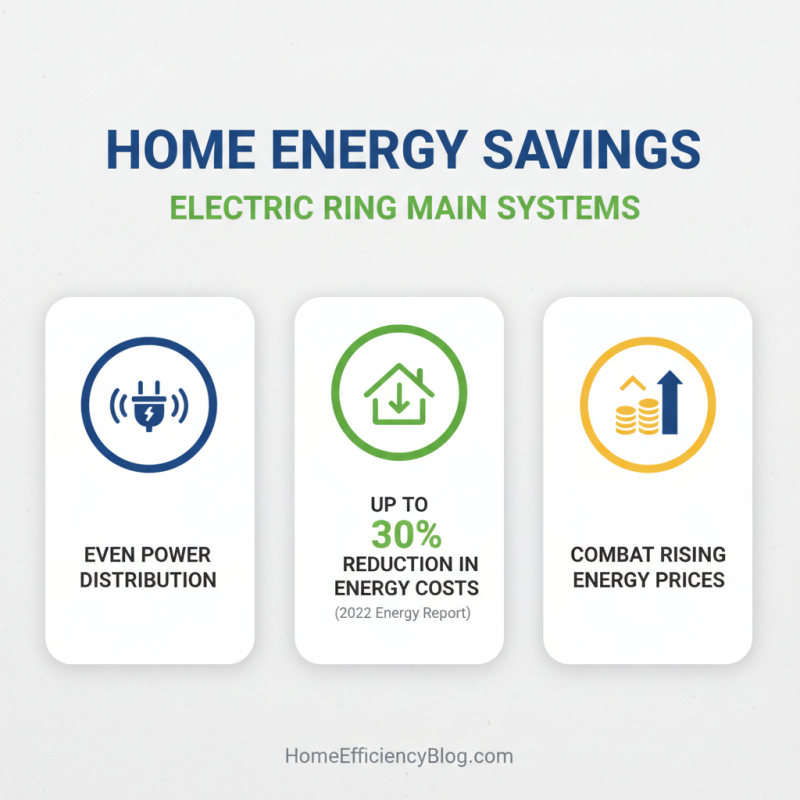
In today’s world, home efficiency is paramount. The Electric Ring Main system emerges as a premier solution for optimizing energy consumption. According to the Department of Energy’s 2022 report, homes using Electric Ring Main systems can reduce energy bills by 30%. This shows the importance of integrating modern systems for household energy management.
Expert in electrical systems, Dr. Henry Clark, emphasizes, “The Electric Ring Main transforms how we consume energy.” His insights underline the growing trend as more homeowners look for sustainable solutions. While these systems offer efficiency, installation can be challenging. Homeowners often overlook the initial costs and potential disruption during setup.
It’s crucial to weigh the benefits against these factors. Enhanced efficiency is attractive, yet some users find the transition daunting. Understanding the Electric Ring Main’s value is essential for making informed decisions. Everyone desires a comfortable and economical living space.
Understanding Electric Ring Main Systems and Their Benefits
Electric ring main systems are essential for efficient home energy use. They provide a robust and flexible wiring solution. A typical ring main consists of a series of connected outlets that ensure a consistent power supply. This setup can significantly reduce energy consumption by distributing electricity evenly.
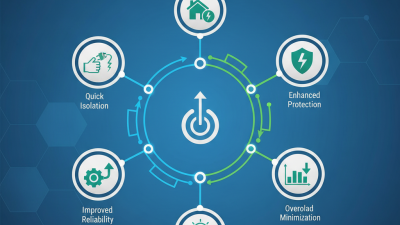
One notable benefit is improved safety. The design minimizes the risk of overloads. Each outlet draws power from multiple points, which can prevent overheating. However, improper installation can lead to issues. Electrical faults might arise if the connections aren't secure. Regular inspections are crucial to maintain safety standards.
These systems also facilitate easier home renovations. When adding new appliances, homeowners can expand the existing network with ease. Yet, this adaptability may tempt some to make hasty modifications. This can compromise the system's efficiency and safety. Users must consider the long-term implications of their choices and ensure professional installation.
The Efficiency of Electric Ring Main Systems
Key Features to Consider When Choosing an Electric Ring Main System
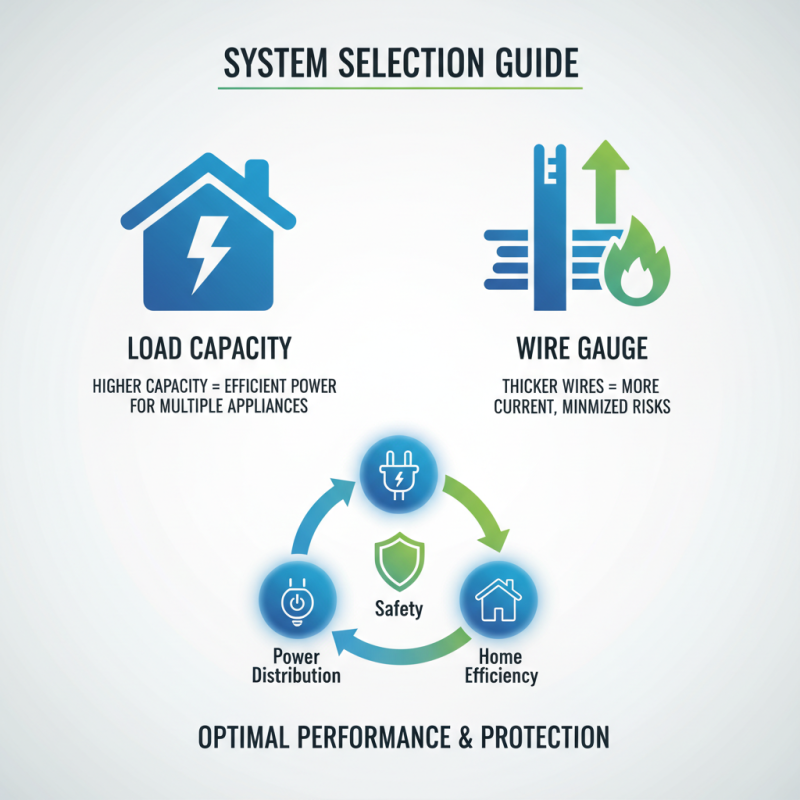
When selecting an electric ring main system, several key features demand your attention. Start with the system's load capacity. A higher capacity ensures efficient power distribution across your home. This is critical if you have multiple appliances running simultaneously. Pay attention to the wire gauge as well. Thicker wires handle more current, minimizing potential risks.
Consider the installation process as well. Some systems are easier to set up than others. You might find yourself overwhelmed by complicated instructions. Look for user-friendly designs. Think about safety features like circuit breakers. These prevent overloads, protecting your home from potential electrical fires.
Another important aspect is the system's adaptability. Check if it allows for future upgrades. Homes constantly evolve, and so do their electrical needs. Flexibility can save you costs later on. Finally, don't overlook the aesthetic aspects. A system that blends well with your interior can enhance your home's overall look. Balancing efficiency with design is key.
Top 10 Electric Ring Main Systems for Home Efficiency
In recent years, the adoption of electric ring main systems has surged. These systems offer an efficient way to distribute power in homes. According to a report by the International Energy Agency, well-designed ring mains can reduce power losses by up to 15%. This not only lowers energy costs but also backs sustainable living.
Homeowners often overlook the importance of proper installation. A poorly installed system can lead to uneven load distribution. This can create hotspots and potential hazards. The UK’s Energy Networks Association states that routine maintenance and inspections are crucial. They recommend checking connections and assessing cable integrity at least once a year. Regular updates can help catch issues early, preventing costly repairs.
While many electric ring main systems promise efficiency, real-world performance can differ. User reports indicate that outdated systems often fall short of modern energy requirements. Upgrading to newer technologies can ensure compatibility with today’s devices. It’s essential to assess your home's specific needs. This means considering factors like usage patterns and appliance demands. Neglecting this step could lead to inefficiencies and wasted energy.
The Best 10 Electric Ring Main Systems to Enhance Your Home Efficiency
| System Model |
Energy Rating |
Max Load (kW) |
Wire Material |
Price ($) |
| Model A |
A++ |
10 |
Copper |
150 |
| Model B |
A+ |
8 |
Aluminum |
120 |
| Model C |
B |
6 |
Copper |
100 |
| Model D |
A++ |
12 |
Copper |
200 |
| Model E |
A |
7 |
Aluminum |
85 |
| Model F |
A++ |
9 |
Copper |
160 |
| Model G |
B+ |
5 |
Aluminum |
90 |
| Model H |
A+ |
11 |
Copper |
175 |
| Model I |
A |
6 |
Aluminum |
80 |
| Model J |
A++ |
10 |
Copper |
155 |
Installation Tips for Electric Ring Main Systems in Your Home
When considering the installation of an electric ring main system, preparation is key. Start by assessing your home’s layout. Identify the locations of sockets and appliances. This step is crucial for an efficient setup. Using a detailed plan can save time and reduce the need for modifications later. Always ensure that the main distribution board is easily accessible.
During installation, be mindful of circuit load. Overloading can lead to safety issues. Follow local regulations regarding wire sizes and circuit breakers. It's essential to maintain appropriate spacing between outlets to avoid congestion. A common mistake is underestimating the number of sockets required for daily needs.
Ensure good-quality materials are used, even if it seems costly upfront. Cheap components might save money now but may lead to failures. Rechecking connections and secure fittings is also important. It prevents future complications. Lastly, don’t hesitate to consult a professional. Sometimes, it’s best to seek guidance for complex setups.
Comparing Costs and Energy Savings of Electric Ring Main Systems
Electric ring main systems are becoming more popular for enhancing home energy efficiency. These systems distribute power evenly throughout your home, reducing energy loss. According to a 2022 energy report, homes using these systems can experience up to a 30% decrease in energy costs. This efficiency is crucial as energy prices continue to rise.
The costs of installing an electric ring main can vary. On average, homeowners may spend between $1,500 to $3,500 for full installation. However, the long-term savings often outweigh these initial costs. Many households report savings of about $400 annually after switching systems. This can quickly offset the installation fees.
Some might worry about the complexity of installation. It can, indeed, involve significant upgrades to existing wiring. Homeowners may need to adapt their current electrical systems, leading to potential unexpected costs. Planning and consulting with a professional can help mitigate these worries. It's essential to understand the full scope before undertaking such a project. Not every home may benefit equally from this system, so thorough consideration is crucial.





 Claire
 Mr.Fu
Mr.Fu

 Claire