2026 Best Automatic Switches for Your Home and Office Needs?
In the ever-evolving world of technology, Automatic Switches have gained significant attention for home and office applications. Renowned expert in smart home technology, Dr. Emily Chen, once stated, “Automatic switches not only enhance convenience but also optimize energy consumption.” This perspective highlights their dual benefits, making them a crucial addition to modern living spaces.
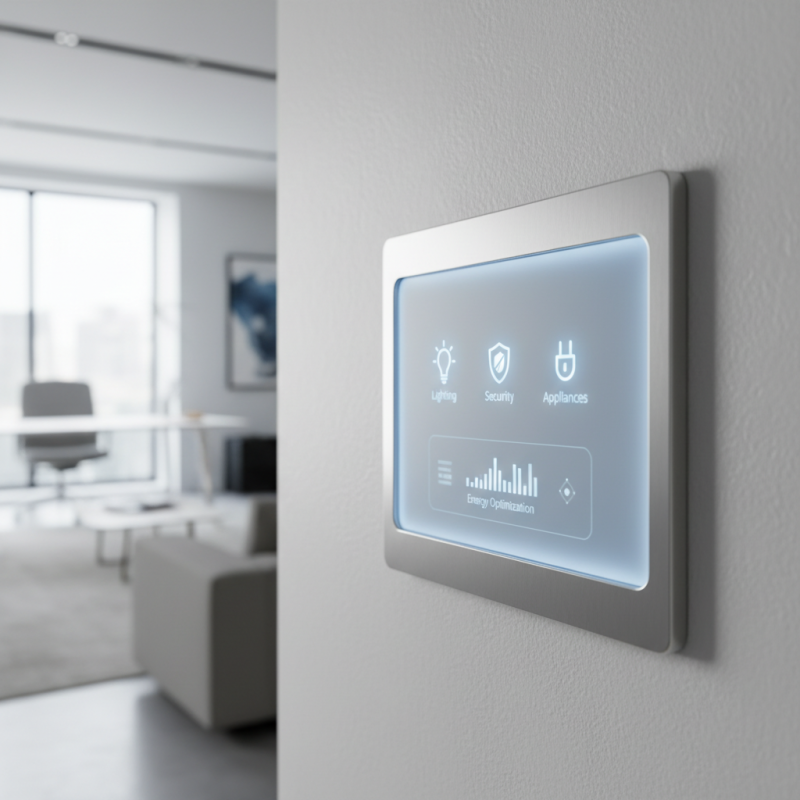
The market is ripe with options, yet selection can be daunting. From basic models to sophisticated systems, the range is vast. Automatic Switches can control lighting, security, and appliances seamlessly. However, not all products deliver the same value. Some consumers find themselves overwhelmed by features that remain underutilized. Striking a balance between technology and usability is vital.
As we explore the best Automatic Switches for 2026, it is essential to consider what truly matters. Reliability and ease of use should top the list of priorities. Not every automatic switch will suit every need. A mix of practicality and innovation will ensure that these devices enhance our spaces, rather than complicate them. Reflecting on personal experiences with automatic switches can guide better choices.
Understanding Automatic Switches: Definition and Types
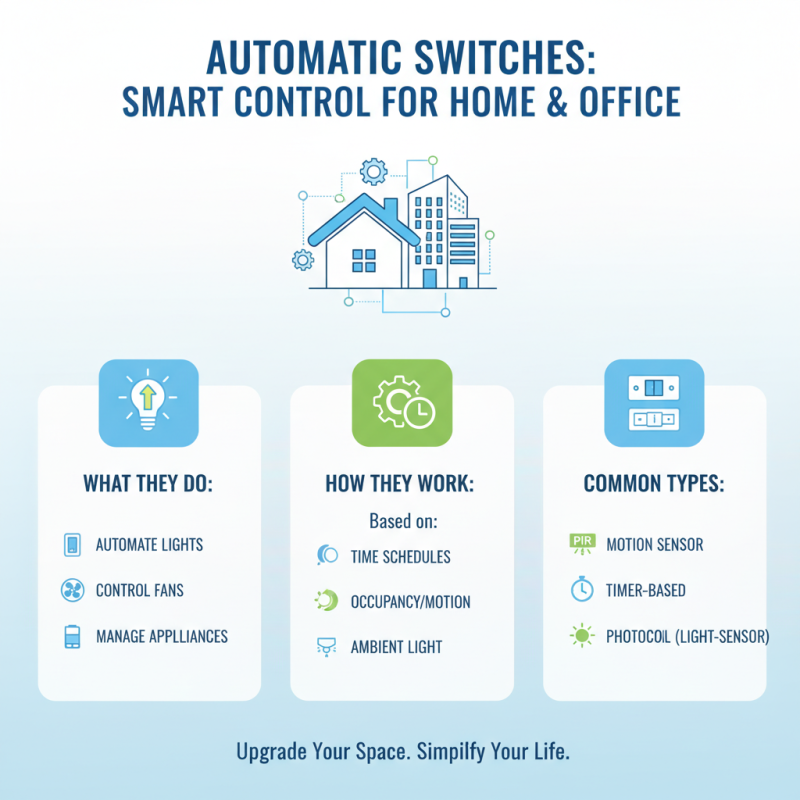
Automatic switches are essential in modern homes and offices. They make managing electrical devices easy. These switches can automatically control lights, fans, and appliances based on specific conditions. Understanding their types helps in choosing the right one.
There are various types of automatic switches. Motion sensors detect movement, turning lights on when someone enters a room. Light sensors adjust brightness based on natural light. Timer switches allow users to set specific times for devices to operate. Each type caters to different needs, but not every option is perfect. Sometimes these devices may not work as expected. Sensors might miss movements, or timers may not sync well with daily routines.
Choosing the best switch can be complex. Consider your space and requirements. Each type has its pros and cons, including cost and installation difficulty. Not everyone is aware of these details. Testing different types in real life can lead to better decisions. Automation should simplify life, not complicate it. A bit of trial and error can help find the perfect solution for your needs.
Key Benefits of Using Automatic Switches in Homes and Offices
Automatic switches have gained popularity in modern homes and offices due to their convenience. These devices can help simplify everyday tasks. Imagine walking into a room and having the lights turn on automatically. This feature enhances comfort and makes life easier.
Beyond convenience, automatic switches promote energy efficiency. They can be programmed to turn off lights when no one is present. This can significantly reduce electricity bills. Additionally, they can help prevent electrical accidents by ensuring that devices are not left running unnecessarily.
However, relying solely on technology can lead to complacency. Users may forget to manually check their devices or settings. Regular maintenance and oversight are crucial. Balancing automation with awareness is necessary for optimal use. Automatic switches are helpful, but they should not replace responsible energy practices.
Top Features to Look for in the Best Automatic Switches
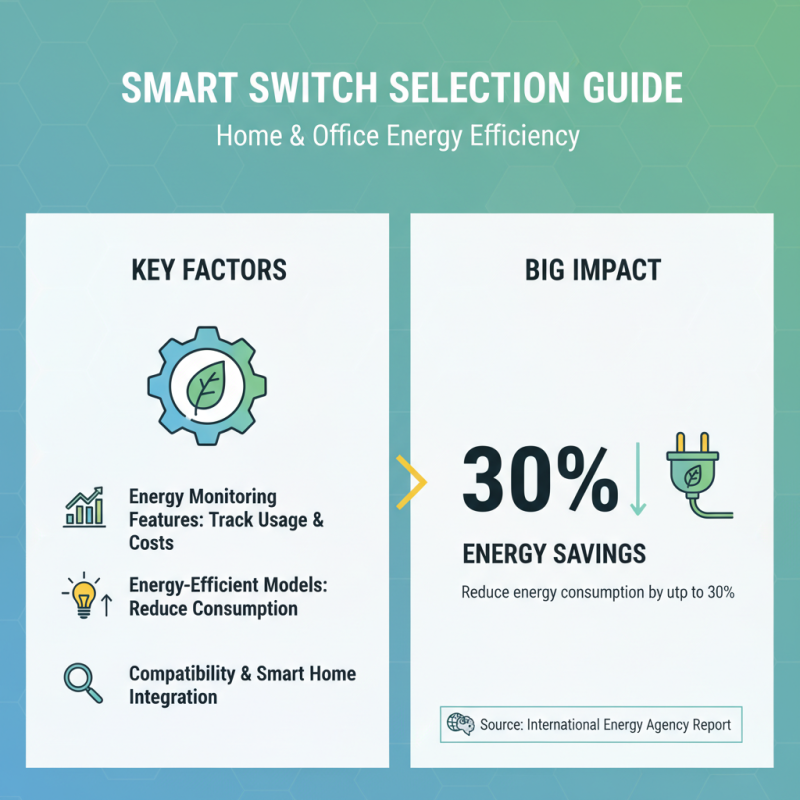
When selecting automatic switches for your home or office, focus on key features that enhance functionality. Consider the energy efficiency ratings, as data indicates that smart switches can lead to energy savings of up to 30%. This not only reduces your bills but also contributes to a more sustainable lifestyle.
Another crucial feature is compatibility with smart home systems. Over 40% of households now use smart technology. Ensuring that your switches can seamlessly integrate with existing devices is vital for maximizing convenience. Look for models that allow for remote access and scheduling. This capability can simplify daily tasks and improve overall energy management.
Safety features should also be a priority. The National Fire Protection Association reports that electrical failures account for over 20% of home fires. Automatic switches with surge protection can mitigate these risks. While most modern options offer safety features, always verify their effectiveness. Consider user reviews for real-world insight. While advancements are notable, some switches still lack reliability under specific conditions, which requires careful demonstration of performance. Always test features in your environment before making a final decision.
Review of the Leading Automatic Switch Brands for 2026
As we look into 2026, the demand for automatic switches in homes and offices continues to rise. According to industry reports, the market for smart home devices is projected to reach $174 billion by the end of this year. This growth indicates a significant shift towards automation, driven by convenience and energy efficiency.
Leading brands in the automatic switch market are focusing on user-friendly designs. They aim to enhance connectivity with various devices. Some reports highlight that about 65% of users prefer switches that integrate seamlessly with their existing smart home systems. Yet, there remain challenges. Not all switches are compatible with every system, leading to frustration for consumers.
Additionally, energy savings potential is often overstated. While many switches claim to reduce electricity bills, real-world data shows mixed results. Some users may not see significant savings. Expert studies suggest that installation quality and usage patterns heavily influence these outcomes. Not everyone achieves the advertised energy efficiency. Realizing these complexities allows consumers to make informed, thoughtful choices.






 Claire
 Mr.Fu
Mr.Fu

 Claire